Introduction
A properly functioning plumbing system is essential for maintaining a safe, comfortable, and hygienic home. From supplying clean water for cooking and bathing to removing wastewater efficiently, household plumbing supports many everyday activities. When plumbing components fail, even a minor issue can disrupt daily routines, increase water bills, and potentially cause damage to walls, floors, and other parts of the property.
Homeowners commonly face plumbing problems such as leaking faucets, clogged drains, running toilets, low water pressure, burst pipes, and malfunctioning water heaters. Some issues develop gradually because of worn-out components, mineral buildup, or aging pipes, while others occur unexpectedly and require immediate attention. If these problems are ignored, they can become more serious and expensive to repair.
Professional plumbing repair services help homeowners identify the cause of plumbing problems and restore the system to proper working condition. Experienced plumbers can diagnose hidden leaks, repair damaged pipes, clear stubborn blockages, replace faulty fixtures, and recommend preventive maintenance. Hiring a qualified professional can help reduce water waste, prevent further property damage, and improve the reliability of your plumbing system.
In this guide, you will learn about common household plumbing issues, the benefits of professional plumbing repairs, and how to choose the right plumbing service for your needs. Understanding when to address a problem yourself and when to seek expert assistance can help you protect your home, manage repair costs, and maintain a dependable plumbing system.
What Are Residential Plumbing Repair Services?
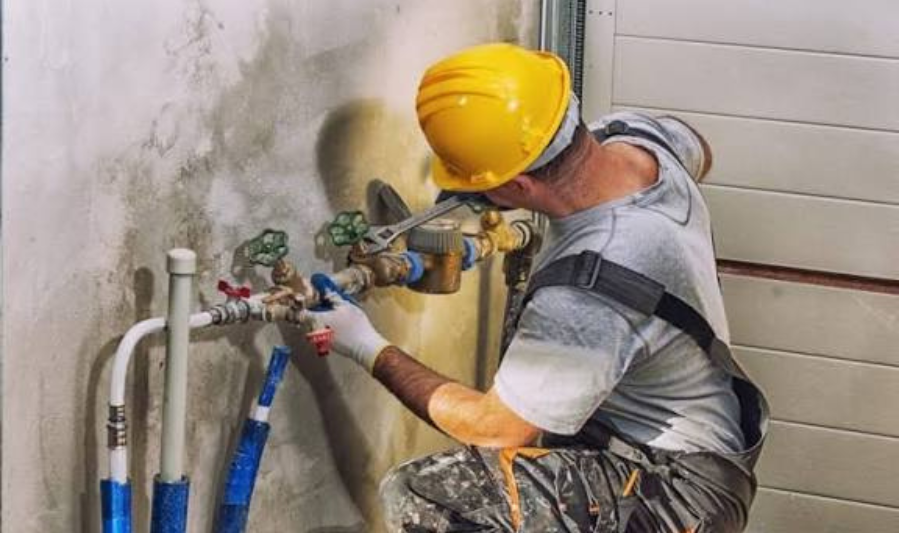
Residential plumbing repair services involve diagnosing, repairing, and replacing faulty plumbing components in homes and other residential properties. These services help ensure that clean water reaches household fixtures, wastewater drains away properly, and plumbing equipment operates safely and efficiently.
Homeowners may need plumbing repairs for problems such as leaking pipes, clogged drains, dripping faucets, running toilets, low water pressure, and malfunctioning water heaters. Some issues can be resolved with a simple component replacement, while others require specialized tools and professional expertise to identify and repair the underlying cause.
Professional residential plumbers assess the condition of the plumbing system, identify the source of the problem, and recommend an appropriate solution. Timely repairs can help reduce water waste, prevent structural damage, and extend the lifespan of plumbing fixtures and equipment.
Difference Between Plumbing Repairs and Routine Maintenance
Plumbing repairs and routine maintenance both contribute to a reliable plumbing system, but they serve different purposes.
Residential plumbing repairs focus on fixing an existing problem or restoring a faulty component to proper working condition. Examples include repairing a burst pipe, replacing a damaged faucet cartridge, clearing a blocked drain, or fixing a leaking toilet tank.
Routine plumbing maintenance involves regular inspections, cleaning, testing, and preventive measures designed to identify potential issues before they become serious. Examples include checking visible pipes for leaks, inspecting shutoff valves, cleaning drain strainers, and examining water heaters according to the manufacturer’s recommendations.
The following table highlights the main differences:
| Feature | Plumbing repairs | Routine maintenance |
|---|---|---|
| Main purpose | Fix existing problems | Prevent or identify potential problems |
| Timing | When a fault or failure occurs | At planned intervals |
| Common tasks | Leak repairs, pipe replacement, drain clearing | Inspections, cleaning, component checks |
| Urgency | May be urgent or scheduled | Usually planned in advance |
| Main benefit | Restores proper operation | Helps reduce the risk of future failures |
Both services are important for maintaining a home’s plumbing system. Routine maintenance can help detect early warning signs, while prompt repairs prevent existing problems from worsening.
Types of Residential Properties Covered by Plumbing Services
Residential plumbing repair services cover a range of property types. Although the basic principles of plumbing remain similar, each property may have different layouts, fixtures, pipe materials, and maintenance requirements.
1. Single-Family Homes
Single-family homes commonly require repairs to kitchen and bathroom plumbing, water supply lines, toilets, showers, outdoor faucets, and water heaters. Plumbers may also address underground pipe leaks, drainage problems, and issues involving the property’s main water supply.
Because these properties often have independent plumbing systems, a plumber can usually focus on the affected home’s fixtures and pipework.
2. Apartments and Condominiums
Apartments and condominiums may experience leaking faucets, blocked sinks, toilet problems, low water pressure, and water heater failures. Some plumbing components serve an individual unit, while others connect to shared building systems.
In these properties, plumbers may need to coordinate with building management or a homeowners’ association before repairing shared pipes, drainage lines, or water supply systems. Identifying whether the problem affects one unit or several can help determine the appropriate repair.
3. Townhouses and Duplexes
Townhouses and duplexes may have separate plumbing systems or share certain supply lines and drainage infrastructure. Common repair needs include leaking pipe connections, clogged drains, faulty fixtures, and water pressure problems.
A qualified plumber can determine whether the issue originates within an individual unit or involves a shared plumbing component that requires coordination with another property owner.
4. Rental Properties
Rental homes and apartments often require plumbing repairs to maintain safe, functional living conditions. Typical issues include dripping faucets, running toilets, blocked drains, damaged fixtures, and leaking pipes.
Property owners and landlords generally need to arrange repairs in accordance with applicable local laws and rental agreements. Tenants should report plumbing problems promptly, particularly when a leak, sewage backup, or loss of water could cause property damage or affect health and safety.
Common Residential Plumbing Problems
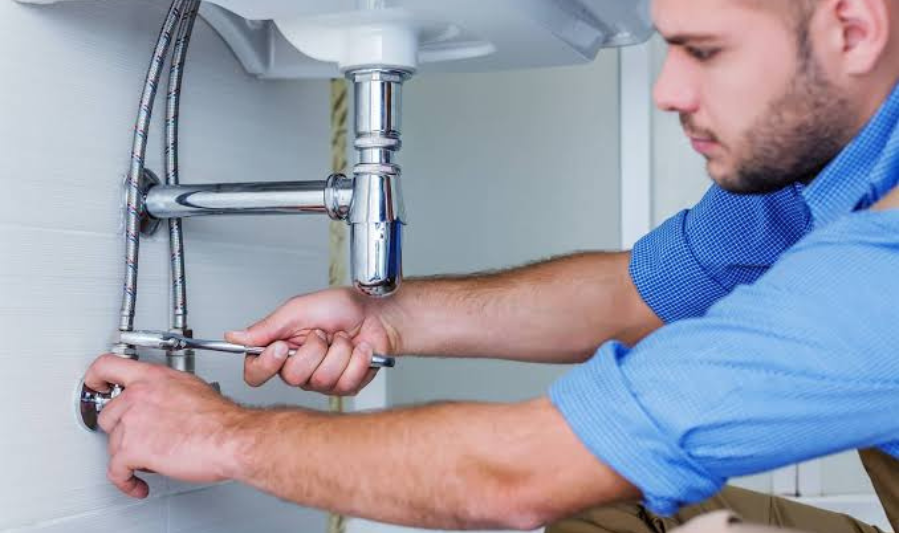
Residential plumbing problems can affect everyday activities, increase water consumption, and cause damage to a property if they are not addressed promptly. Some issues develop gradually because of worn-out components, mineral deposits, or accumulated debris, while others occur suddenly and require immediate professional attention.
Understanding common household plumbing problems can help homeowners recognize warning signs, determine when repairs are necessary, and decide when to contact a professional plumber.
3.1 Leaking Faucets and Showerheads
Leaking faucets and showerheads are among the most common household plumbing problems. A persistent drip may result from worn washers, damaged cartridges, deteriorated seals, loose connections, or mineral buildup around the fixture.
Although a small leak may appear harmless, it can waste water over time and contribute to stains, moisture damage, and higher utility bills. A leaking showerhead can also leave unwanted water around the shower area.
In some cases, cleaning mineral deposits or replacing a worn component can resolve the problem. However, persistent leaks, damaged fittings, or problems involving concealed pipe connections may require professional plumbing repairs.
Regularly checking faucets and showerheads for drips, corrosion, and loose connections can help identify problems before they become more expensive.
3.2 Clogged Kitchen and Bathroom Drains
Clogged drains can cause slow drainage, standing water, unpleasant odors, and occasional backups. Kitchen drains commonly become blocked by grease, food particles, and soap residue, while bathroom drains frequently collect hair, toothpaste, and personal-care product buildup.
Minor clogs near the drain opening may be removable with a suitable drain-cleaning tool or by cleaning the drain strainer. More stubborn blockages may require a drain snake, mechanical auger, or professional inspection.
Avoid pouring grease or cooking oil down the kitchen sink, and use drain covers to catch hair and larger debris. If several fixtures drain slowly at the same time, the problem may involve a shared drain line rather than an individual fixture.
Repeated clogs should be investigated to identify the underlying cause instead of relying on temporary fixes.
3.3 Running or Overflowing Toilets
A running toilet continues to release water into the bowl after flushing, often because of a worn flapper, faulty fill valve, incorrectly adjusted float, or damaged flush mechanism. This continuous flow can waste a significant amount of water and increase utility costs.
An overflowing toilet is more urgent because it can spread contaminated water across the bathroom floor. Common causes include a blocked toilet trap, a clogged drain line, or a problem with the flushing mechanism.
For a running toilet, a plumber can inspect the tank components and replace faulty parts as needed. If the toilet is overflowing, stop flushing and turn off the local water supply valve if it is safe to do so.
Contact a professional if the blockage persists, the toilet repeatedly overflows, or other fixtures are backing up. These symptoms may indicate a more extensive drainage problem.
3.4 Burst Pipes and Water Leaks
Burst pipes and water leaks can cause extensive damage to walls, ceilings, floors, furniture, and other household belongings. Common causes include corrosion, excessive water pressure, damaged pipe connections, aging materials, and freezing temperatures in colder climates.
Warning signs include damp patches, unexplained puddles, peeling paint, ceiling stains, reduced water pressure, and the sound of running water when all fixtures are turned off.
If a major leak occurs, shut off the main water supply if it is safe to reach. Keep away from standing water near electrical equipment and avoid entering areas that may be unsafe.
A professional plumber can locate the damaged section, repair or replace the affected pipe, and assess whether further inspection is necessary. Prompt repairs can help prevent additional water damage and reduce the risk of mold growth in persistently damp areas.
3.5 Low Water Pressure
Low water pressure can make showers less effective, slow down faucet flow, and interfere with household appliances that require a reliable water supply. The problem may affect one fixture or the entire property.
Possible causes include mineral buildup in faucet aerators, partially closed valves, leaking pipes, faulty pressure regulators, and problems with the municipal water supply. In some cases, a plumbing restriction or failing pump may also contribute.
If only one faucet has low pressure, check whether its aerator is clogged and whether the fixture’s shutoff valve is fully open. If several fixtures are affected, check whether neighbors are experiencing similar issues or contact your water supplier.
Persistent low pressure, particularly when accompanied by damp patches, unusual pipe noises, or a sudden change in flow, should be investigated by a qualified plumber.
3.6 Water Heater Problems
Water heater problems can affect bathing, cleaning, cooking, and other household activities that depend on hot water. Common symptoms include inconsistent water temperatures, insufficient hot water, unusual noises, visible corrosion, leaking connections, or complete loss of hot water.
Possible causes include faulty heating elements, thermostat problems, sediment buildup, damaged valves, or a deteriorating tank. The appropriate repair depends on the type of water heater, its age, and the nature of the fault.
A qualified plumber can inspect the unit, diagnose the problem, and determine whether repair or replacement is the better option. Regular maintenance, carried out according to the manufacturer’s recommendations, can help improve reliability and identify early warning signs.
If the unit is leaking heavily, keep away from potentially hazardous electrical components. If you suspect a gas leak, leave the area immediately and contact the local gas emergency service from a safe location.
3.7 Sewer Line Blockages
Sewer line blockages can prevent wastewater from leaving the property properly and may cause unpleasant odors, slow drains, or sewage backups through toilets and floor drains. Common causes include excessive debris, grease buildup, tree root intrusion, damaged pipes, and items that should not be flushed.
A blockage in a single fixture may be relatively minor, but problems affecting multiple drains can indicate an obstruction in a shared or main sewer line.
If sewage backs up into your home, stop using affected fixtures and avoid contact with the wastewater. Sewage may contain harmful microorganisms and should be handled carefully.
Professional plumbers can use drain-cleaning equipment and inspection cameras, where appropriate, to locate and remove the obstruction. If the pipe is cracked, collapsed, or affected by tree roots, more extensive repairs may be necessary.
3.8 Faulty Water Supply Valves
Water supply valves control the flow of water to individual fixtures or sections of a plumbing system. These include shutoff valves beneath sinks, toilet supply valves, and the main water shutoff valve.
Over time, valves may develop leaks, become corroded, seize in position, or fail to close completely. A faulty valve can make it difficult to isolate a leaking fixture and may complicate emergency repairs.
Warning signs include moisture around the valve, visible corrosion, difficulty turning the handle, or continued water flow when the valve is closed.
A plumber can inspect the valve, repair compatible components, or replace the faulty assembly. Avoid forcing a seized valve because excessive pressure may break the handle or damage the pipe connection.
It is particularly important to know where your main water shutoff valve is located before an emergency occurs. Being able to isolate the water supply safely can help reduce damage from a burst pipe or major leak.
When Should You Call a Professional Plumber?
Some minor plumbing problems can be resolved with basic maintenance, but professional assistance is recommended when a repair requires specialized tools, the cause is unclear, or the problem keeps returning.
Contact a plumber promptly if you notice a major leak, a burst pipe, persistent low water pressure, a malfunctioning water heater, or recurring drain blockages. Sewage backups and leaks near electrical systems require particular caution.
Recognizing these common residential plumbing problems and responding early can help protect your property, conserve water, and reduce the likelihood of expensive repairs. Regular inspections and timely professional maintenance can also help keep your plumbing system operating reliably.
Types of Residential Plumbing Repair Services
Residential plumbing repair services cover a wide range of tasks designed to keep household water supply and drainage systems functioning properly. From repairing leaking pipes to resolving water pressure problems, professional plumbers help homeowners address plumbing faults, restore essential services, and prevent further property damage.
The type of repair required depends on the problem’s severity, the condition of the plumbing system, and the components involved. Understanding the different residential plumbing services can help you identify the right solution for your home.
4.1 Pipe Repair and Replacement
Pipe repair and replacement services address damaged, leaking, corroded, or deteriorating water supply and drainage pipes. Problems may develop because of aging materials, excessive water pressure, loose connections, physical damage, or corrosion.
Depending on the condition of the pipe, a plumber may repair a connection, replace a damaged section, or recommend replacing a larger portion of the plumbing system. Hidden leaks behind walls, beneath floors, or underground may require additional diagnostic work before repairs begin.
Timely pipe repairs help prevent water waste, structural damage, and persistent moisture problems. If a pipe bursts, shut off the main water supply if it is safe to do so and contact a plumber promptly.
4.2 Drain Cleaning and Clog Removal
Drain cleaning services remove blockages that prevent wastewater from flowing freely through household pipes. Common causes include hair, grease, food particles, soap residue, and foreign objects accumulating inside drains.
Plumbers may use drain snakes, mechanical augers, hydro-jetting equipment, or other suitable methods depending on the type and location of the blockage. The appropriate method depends on the pipe material, its condition, and the severity of the obstruction.
Professional drain cleaning can help restore normal drainage and identify recurring problems that basic household methods may not resolve. If several fixtures are backing up simultaneously or sewage is entering the property, stop using affected fixtures and seek professional assistance.
4.3 Toilet Repair and Installation
Toilet repair services address problems such as running toilets, weak flushing, leaking tanks, blocked toilet traps, faulty fill valves, and damaged flush mechanisms. These issues can waste water, create unpleasant odors, or disrupt normal bathroom use.
A plumber can inspect the toilet, identify the faulty component, and repair or replace the necessary parts. If the toilet is cracked, unstable, or repeatedly develops problems, installing a replacement may be more practical.
Professional toilet installation includes positioning the fixture correctly, securing the connections, checking the seal, and testing the flush and water supply. Proper installation helps reduce the risk of leaks and future repairs.
4.4 Faucet and Shower Repair
Faucet and shower repair services help resolve dripping taps, leaking showerheads, damaged handles, inconsistent water flow, and faulty mixing valves. Common causes include worn cartridges, deteriorated seals, loose fittings, and mineral deposits.
A plumber may clean or replace internal components, repair connections, or install a new fixture if the existing one is severely damaged. Shower repairs may also involve investigating leaks around the valve, showerhead connection, or other plumbing components.
Fixing these problems promptly can reduce water waste and help prevent moisture damage. If water is leaking behind a wall or around a shower enclosure, professional inspection may be necessary to determine whether concealed plumbing or waterproofing has been affected.
4.5 Water Heater Repair
Water heater repair services address problems that affect the availability, temperature, and safe operation of hot water. Common issues include faulty thermostats, damaged heating elements, leaking valves, sediment buildup, and deteriorating tanks.
A qualified professional can inspect the unit, identify the source of the problem, and recommend repair or replacement based on its condition and age. Some issues can be resolved by replacing a component, while a severely corroded or leaking tank may need to be replaced.
Routine maintenance according to the manufacturer’s instructions can help identify developing faults and support reliable operation. Gas and electrical components should be handled only by appropriately qualified professionals.
4.6 Leak Detection and Repair
Leak detection services help locate water leaks that may not be immediately visible. These leaks can occur behind walls, beneath floors, around fixtures, or in concealed supply lines.
Possible warning signs include unexplained increases in water bills, damp patches, peeling paint, musty odors, reduced water pressure, and persistent moisture around plumbing fixtures.
Depending on the situation, plumbers may use pressure testing, moisture meters, acoustic equipment, thermal imaging, or other diagnostic methods to narrow down the leak’s location. Once identified, the leak can be repaired by replacing damaged pipe sections, tightening or renewing connections, or installing new seals and fittings.
Early leak detection can help limit water waste and reduce the risk of damage to building materials. However, any affected areas may require separate drying or restoration work after the plumbing repair is complete.
4.7 Garbage Disposal Repair
Garbage disposal repair services address problems such as humming without grinding, unusual noises, leaks, frequent jamming, and failure to switch on. These issues may result from jammed debris, worn components, electrical faults, or damaged seals.
A plumber or appropriately qualified technician can inspect the unit, identify the cause, and determine whether it can be repaired or needs replacement.
For safety, switch off the disposal’s power before inspecting the unit. Never put your hand inside the disposal, even when it appears to be switched off. If the problem involves wiring or other electrical components, seek qualified assistance.
Avoid putting grease, fibrous waste, and unsuitable food scraps into the disposal, as these materials can contribute to blockages or damage.
4.8 Water Pressure Troubleshooting
Water pressure troubleshooting identifies why water flow is too weak, too strong, or inconsistent throughout a home. Low pressure can make showers and faucets less effective, while excessive pressure can place unnecessary strain on pipes, valves, appliances, and fixture connections.
Possible causes include clogged aerators, partially closed shutoff valves, leaking pipes, faulty pressure regulators, supply interruptions, and problems with pumps or pressure tanks.
A plumber can test the system, inspect accessible valves and pipes, and determine whether cleaning, component replacement, leak repairs, or pressure adjustments are necessary.
Maintaining suitable water pressure helps protect plumbing components and supports reliable water flow throughout the property. If pressure changes suddenly or several fixtures are affected at once, professional diagnosis can help identify the underlying cause.
Choosing the Right Residential Plumbing Repair Service
The best plumbing service depends on the symptoms, urgency, and condition of your home’s plumbing system. Minor faucet leaks and isolated drain clogs may require relatively straightforward repairs, while burst pipes, hidden leaks, sewer backups, and water heater failures may need specialized equipment and professional expertise.
Before hiring a plumber, confirm their relevant qualifications, experience, service availability, pricing, and warranty terms. Explain the problem clearly and request an estimate before authorizing significant work.
Addressing plumbing problems promptly can help conserve water, protect your property, and reduce the likelihood of more extensive repairs. Combining professional repairs with routine maintenance is an effective way to keep your home’s plumbing system in good working condition.
Benefits of Hiring Professional Residential Plumbers
Plumbing problems can range from minor faucet leaks to serious pipe damage that threatens your home’s structure and safety. While some basic maintenance tasks can be handled independently, many plumbing repairs require specialized knowledge, proper tools, and experience to resolve correctly.
Hiring a professional residential plumber helps homeowners identify problems accurately, prevent further damage, and maintain a reliable plumbing system. Here are the main benefits of choosing professional plumbing services for your home.
5.1 Accurate Problem Diagnosis
One of the biggest advantages of hiring a professional plumber is the ability to identify the underlying cause of a plumbing problem. Symptoms such as low water pressure, slow drainage, or unexplained dampness can have several possible causes, making it difficult to determine the right solution without proper inspection.
Professional plumbers use their training and experience to assess the plumbing system, inspect affected components, and determine what repairs are necessary. For example, recurring drain blockages may indicate a deeper pipe obstruction, while unexplained increases in water bills may suggest a hidden leak.
Accurate diagnosis helps prevent unnecessary replacements and temporary fixes that fail to address the actual problem. It also allows homeowners to make informed decisions about repair options and costs.
5.2 Reduced Risk of Water Damage
Water leaks can damage flooring, walls, ceilings, cabinets, and other household materials. If moisture remains trapped inside building structures, it may also encourage mold growth and lead to additional restoration expenses.
Professional plumbers can locate leaks, repair damaged pipes, and restore faulty connections before the problem causes further damage. They can also identify warning signs that may indicate developing plumbing failures.
When a burst pipe or major leak occurs, prompt action is essential. Shutting off the main water supply, if safe, and contacting a qualified plumber can help limit the amount of water entering your property.
Professional repairs cannot eliminate every risk of water damage, but timely diagnosis and appropriate repair work can significantly reduce the likelihood of a plumbing problem becoming more serious.
5.3 Time and Cost Savings
Attempting to repair a plumbing problem without the necessary skills can lead to incorrect installations, repeated repairs, or accidental damage to pipes and fixtures. These mistakes may increase the total cost of resolving the original issue.
Professional plumbers can often identify faults more efficiently and recommend suitable repairs based on the condition of the plumbing system. Their experience can also help them determine whether a component can be repaired or should be replaced.
Although professional services involve labor and service fees, addressing a problem correctly the first time may reduce repeat visits and avoid more extensive repairs later.
To manage expenses, request a clear estimate before work begins, ask about labor and replacement-part costs, and confirm whether the repair includes a workmanship guarantee.
5.4 Improved Water Efficiency
Leaking faucets, running toilets, damaged supply lines, and faulty plumbing components can waste water continuously. Even a small leak can contribute to unnecessary water consumption when left unresolved.
Professional plumbers can identify and repair these issues, helping restore efficient water use throughout the home. They may also recommend suitable fixtures, valves, or other improvements that reduce waste without compromising everyday performance.
For example, repairing a faulty toilet fill valve can prevent continuous tank refilling, while fixing a dripping faucet can eliminate unnecessary water loss.
Improved water efficiency may help reduce utility expenses and conserve an important resource. Regular inspections can also identify developing leaks before they become more noticeable.
5.5 Durable and Reliable Repairs
A plumbing repair should resolve the immediate problem while supporting the long-term reliability of the system. Poorly fitted connections, unsuitable replacement parts, and incomplete repairs can cause leaks or other faults to return.
Professional plumbers use appropriate repair methods and components suited to the plumbing system. They can replace worn parts, repair damaged connections, and identify related problems that may affect the quality of the repair.
For more extensive issues, a plumber can explain whether repairing an individual component is sufficient or whether replacing a larger section of pipe or equipment would be more practical.
Before hiring a service provider, ask about the materials being used, the expected lifespan of the repair, and any applicable warranty. These details can help you evaluate the quality and long-term value of the proposed work.
5.6 Access to Professional Tools and Equipment
Some plumbing problems are difficult to diagnose or repair using ordinary household tools. Professional plumbers have access to specialized equipment that can make certain jobs more efficient and precise.
Depending on the problem, this equipment may include:
- Drain snakes and mechanical augers: Help remove stubborn blockages from compatible drain lines.
- Leak-detection equipment: Helps locate hidden leaks in accessible or concealed plumbing systems.
- Drain inspection cameras: Allow plumbers to examine the inside of suitable drainpipes and identify obstructions or damage.
- Pipe repair tools: Support accurate cutting, joining, fitting, and replacement of compatible pipes.
- Pressure-testing equipment: Helps assess water pressure and investigate certain supply-system problems.
Using suitable tools can reduce unnecessary dismantling, improve diagnostic accuracy, and support effective repairs. However, the equipment required depends on the specific plumbing issue, and not every repair requires advanced technology.
Why Professional Residential Plumbing Services Are Worth Considering
Hiring a professional residential plumber offers several advantages, including accurate diagnosis, reduced risk of property damage, efficient repairs, improved water conservation, and access to specialized equipment.
The right professional can also help you understand the cause of a plumbing problem and recommend practical steps to prevent it from recurring. When choosing a plumber, check relevant qualifications, experience, pricing transparency, and workmanship guarantees.
Combining professional repairs with routine plumbing maintenance can help protect your property, reduce avoidable expenses, and keep your home’s water supply and drainage systems functioning reliably.
How to Choose the Best Residential Plumbing Repair Service
Choosing the best residential plumbing repair service is essential for keeping your home’s plumbing system safe, efficient, and reliable. Whether you need to repair a leaking pipe, clear a blocked drain, fix a running toilet, or replace a faulty water heater, the right plumber can help you resolve the problem and avoid unnecessary expenses.
However, not all plumbing companies offer the same level of experience, service quality, or pricing transparency. Comparing a few important factors before hiring a professional can help you make a confident decision and find a plumber who meets your household’s needs.
6.1 Check Experience and Qualifications
Experience and relevant qualifications are important when selecting a residential plumbing repair service. An experienced plumber is more likely to recognize common plumbing faults, identify underlying causes, and recommend appropriate repair methods.
Look for a professional who has experience handling the specific issue affecting your home. For example, repairing a leaking faucet may require different skills from diagnosing a hidden pipe leak, repairing a water heater, or resolving a main sewer line blockage.
Ask about the plumber’s training, professional certifications, and experience with similar repairs. You can also ask how they plan to diagnose the problem and what repair options are available.
Choosing a qualified professional helps reduce the risk of incorrect repairs, avoidable damage, and recurring plumbing problems.
6.2 Read Customer Reviews and Testimonials
Customer reviews can provide useful insight into a plumbing company’s reliability, communication, punctuality, and quality of work. Before hiring a service provider, check reviews on independent platforms, local business directories, and relevant community websites.
Look for consistent feedback about whether the plumber arrives on time, explains repair options clearly, provides accurate estimates, and completes the work satisfactorily.
Pay attention to repeated complaints about unexpected charges, poor communication, or recurring faults after repairs. A small number of negative reviews does not necessarily mean a company is unreliable, but consistent patterns may indicate potential concerns.
It is also helpful to see how the company responds to customer complaints. Professional responses that address concerns constructively can indicate a commitment to customer service.
6.3 Compare Pricing and Estimates
Plumbing repair costs vary according to the type of problem, labor requirements, replacement parts, and the complexity of the work. Comparing estimates from different providers can help you understand typical charges and avoid paying more than necessary.
Request a written estimate that explains the expected costs, including:
- Labor charges: The cost of diagnosing and completing the repair.
- Replacement parts: The price of pipes, valves, fittings, or other components.
- Inspection fees: Any charges for assessing the problem.
- Additional services: Costs for specialized equipment or further repairs, if required.
Ask whether the estimate is fixed or may change after inspection. A reliable plumber should explain any additional work and obtain your approval before proceeding with significant unplanned repairs.
While affordability matters, do not automatically choose the lowest quote. Consider the plumber’s experience, proposed repair method, materials, and warranty terms when evaluating overall value.
6.4 Confirm Service Availability
Service availability is particularly important when a plumbing problem disrupts essential household activities or threatens property damage. Some plumbing companies operate during standard business hours, while others provide emergency assistance during evenings, weekends, and holidays.
Before booking, confirm the company’s operating hours, service area, and estimated arrival time. If you have a burst pipe, severe leak, overflowing toilet, or sewage backup, ask whether the provider can respond promptly to the specific issue.
For non-urgent repairs, scheduling an appointment in advance may give you more flexibility to compare prices and choose a convenient time.
Do not assume that a company advertising emergency services always has a technician available immediately. Confirm availability directly and ask about any after-hours or emergency callout fees.
6.5 Ask About Warranties and Guarantees
A workmanship guarantee can provide reassurance that a plumbing company stands behind the quality of its repairs. Before hiring a plumber, ask whether the service includes a written guarantee and what conditions apply.
Check how long the guarantee lasts, whether it covers labor and replacement parts, and whether any exclusions apply. Manufacturer warranties for individual components may differ from the plumber’s guarantee for installation or repair work.
It is also useful to ask what happens if the same problem returns shortly after the repair. Find out whether a follow-up visit is included or whether additional labor charges may apply.
Request an invoice or written record describing the completed work and any parts replaced. Keeping these documents can help if you need to make a warranty claim later.
6.6 Verify Insurance and Required Licensing
Before hiring a residential plumber, confirm that the professional or company meets the licensing, registration, and insurance requirements applicable to your location and the type of work involved.
Licensing requirements vary by jurisdiction, so verify the relevant credentials through the appropriate local authority when necessary. Insurance can also provide important protection if accidental property damage or an injury occurs during the work.
For larger repairs, ask whether the company carries appropriate liability coverage and whether additional permits or specialist qualifications are required. Work involving gas appliances or electrical systems should be performed by professionals who are appropriately qualified and authorized for those tasks.
A reputable service provider should be willing to explain their credentials and provide reasonable evidence when requested. Verifying these details before work begins can help reduce risk and improve your confidence in the service.
Final Tips for Choosing a Residential Plumbing Repair Service
The best residential plumbing repair service combines relevant experience, positive customer feedback, transparent pricing, reliable availability, and appropriate professional credentials. Warranty coverage and insurance are also important considerations when comparing providers.
Before authorizing a repair, explain the problem clearly, request an estimate, and ask the plumber to describe the proposed solution. Make sure you understand the expected costs and obtain approval before additional work begins.
Taking time to evaluate these factors can help you choose a dependable plumber, protect your property, and maintain a reliable plumbing system over the long term.
You may also like to read these posts:
Best Toilet Repair Kit: Top Choices for Easy and Reliable Toilet Repairs
Best Toilet Repair Kit: Top Picks for Easy and Reliable Toilet Repairs
Best Drain Snake for Home: Top Picks for Easy and Effective Clog Removal
Signs You Need Professional Plumbing Repairs
Recognizing the early warning signs of plumbing problems can help homeowners prevent costly repairs and protect their properties from water damage. While some minor issues can be resolved with basic maintenance, persistent leaks, unusual pipe noises, and recurring drainage problems may indicate faults that require professional attention.
Knowing what to look for can help you decide when to contact a residential plumber before a small issue develops into a more serious plumbing emergency.
Unexplained Increases in Water Bills
A sudden increase in your water bill without a corresponding change in household usage may indicate a hidden plumbing leak. Damaged pipes, leaking toilets, dripping faucets, and faulty water supply connections can waste water even when the problem is not immediately visible.
Start by checking accessible fixtures, toilet tanks, and visible pipes for signs of leakage. If your water meter continues registering water use when all fixtures and water-consuming appliances are switched off, there may be a leak somewhere in the system.
Keep in mind that seasonal usage changes, billing adjustments, or rate increases can also affect your bill. If the higher consumption remains unexplained, a professional plumber can investigate potential leaks and recommend suitable repairs.
Persistent Dripping or Visible Leaks
A dripping faucet, leaking pipe connection, or damp area beneath a sink may seem like a minor inconvenience, but persistent leaks can waste water and damage surrounding materials over time.
Common causes include worn seals, damaged washers, loose fittings, corroded pipes, and faulty valves. Leaks behind walls or beneath floors can be particularly difficult to identify because the water may spread before visible signs appear.
If you notice a persistent leak, arrange a repair rather than allowing it to continue. For a major leak or burst pipe, shut off the main water supply if it is safe to do so and seek prompt professional assistance.
Slow or Frequently Clogged Drains
Slow drainage is another common indication that your plumbing system may need attention. Water that takes too long to drain from a sink, shower, or bathtub can indicate a buildup of hair, grease, soap residue, or other debris.
An occasional blockage in one fixture may be relatively minor. However, recurring clogs, unpleasant drain odors, or several fixtures draining slowly at the same time may indicate a deeper obstruction in a shared drain line.
A professional plumber can determine the location and cause of the blockage and select an appropriate cleaning method. If wastewater or sewage backs up into your home, stop using affected fixtures and seek professional assistance promptly.
Water Stains on Walls or Ceilings
Water stains, peeling paint, bubbling wallpaper, and discolored ceiling patches may indicate a hidden plumbing leak. These signs can appear when water escapes from pipes, bathroom fixtures, or plumbing connections concealed within building structures.
Even if the affected area feels dry, the underlying leak may still be active or may have caused moisture to accumulate inside the wall or ceiling.
Do not ignore recurring stains or unexplained damp patches. A qualified plumber can investigate potential plumbing leaks, identify the source, and recommend the necessary repairs. Separate drying or restoration work may also be needed if building materials have been damaged.
If a ceiling is sagging or appears unstable, keep people away from the area and seek appropriate professional assistance.
Unusual Pipe Noises
Pipes may occasionally make noise when water flows through them, but persistent banging, whistling, rattling, or vibrating sounds can indicate a plumbing issue.
Possible causes include loose pipe supports, excessive water pressure, restricted water flow, faulty valves, or water hammer, which occurs when moving water stops or changes direction abruptly.
Pay attention to when the noise occurs. For example, banging sounds after closing a faucet may suggest water hammer, while whistling near a valve may indicate a restriction or component problem.
If the sounds are frequent, become louder, or occur alongside leaks or pressure changes, contact a plumber for an inspection. Identifying the cause early can help prevent additional strain on plumbing components.
Low or Inconsistent Water Pressure
Low water pressure can make showers uncomfortable, slow down faucets, and interfere with household activities. If the pressure changes unexpectedly or affects several fixtures, the cause may extend beyond an individual tap.
Possible reasons include clogged aerators, partially closed shutoff valves, leaking pipes, faulty pressure regulators, or problems with the incoming water supply.
First, determine whether the issue affects one fixture or the entire property. You can also check with your water supplier or neighbors to see whether a wider supply interruption is occurring.
If the problem persists, a professional plumber can inspect the system, test the pressure, and identify whether cleaning, valve repairs, leak detection, or other corrective work is needed.
Musty Smells or Recurring Dampness
A persistent musty smell or recurring dampness around sinks, bathrooms, laundry areas, and other plumbing locations may indicate a hidden leak or moisture problem.
Possible causes include leaking pipe connections, damaged seals, water escaping from shower enclosures, or drainage problems. In some cases, moisture may also come from condensation or external water intrusion rather than plumbing alone.
Check accessible plumbing connections and surrounding surfaces for discoloration, moisture, or deterioration. Avoid disturbing areas with suspected mold growth, particularly if the affected area is extensive.
If dampness returns after cleaning or drying, arrange a professional inspection to identify the source. Resolving the underlying moisture problem is essential to prevent continued damage and reduce conditions that encourage mold growth.
When Should You Call a Professional Plumber?
You should consider professional plumbing repairs when a problem persists, returns repeatedly, affects multiple fixtures, or cannot be diagnosed safely. Major leaks, burst pipes, sewage backups, and water entering areas near electrical equipment require urgent attention.
Prompt action can help prevent water waste, reduce property damage, and limit the likelihood of more expensive repairs. By recognizing these warning signs and contacting a qualified residential plumber when necessary, you can keep your home’s plumbing system operating more reliably.
Faqs:
What do residential plumbing repair services include?
Residential plumbing repair services include fixing leaking pipes, clogged drains, faulty toilets, dripping faucets, water pressure issues, and water heater problems in homes and apartments.
How much do residential plumbing repair services cost?
The cost depends on the type of plumbing problem, labor charges, replacement parts, and repair complexity. Request an estimate from a qualified plumber before starting the work.
When should I call a professional plumber?
Call a professional for persistent leaks, burst pipes, recurring drain blockages, low water pressure, sewage backups, or water heater problems that require specialized repairs.
Can regular plumbing maintenance prevent major repairs?
Yes, regular inspections and prompt repairs can help identify leaks, worn-out components, and drainage problems before they become more serious and expensive.
How do I choose the best residential plumbing repair service?
Check the plumber’s experience, qualifications, customer reviews, pricing, and service guarantees. Choose a reliable professional who can handle your specific plumbing problem and clearly explain the proposed repairs.
Conclusion
Professional residential plumbing repair services help homeowners fix leaks, unclog drains, repair toilets, and maintain an efficient plumbing system. Choosing a qualified plumber and addressing problems early can prevent costly damage, reduce water waste, and extend the life of your plumbing fixtures. Regular maintenance is key to keeping your home’s plumbing system in reliable working condition.