
Introduction
Plumbing emergencies can happen unexpectedly and quickly disrupt your daily routine. Burst pipes, overflowing toilets, severe drain blockages, and sudden water leaks can cause property damage, waste water, and create potential safety hazards if left untreated. Acting quickly is essential to minimize damage, restore normal plumbing function, and prevent a minor issue from becoming an expensive repair.
Local emergency plumbing services provide prompt assistance when urgent plumbing problems occur. These professionals can diagnose issues, locate leaks, repair damaged pipes, clear severe blockages, and help restore your home’s water supply. Because local plumbers are familiar with the area’s properties and plumbing systems, they may also be able to reach your location more quickly than a service provider based farther away.
Finding a reliable emergency plumber is just as important as getting help quickly. Look for a professional who offers emergency availability, transparent pricing, relevant experience, and a clear explanation of the necessary repairs. Choosing the right plumber can help you resolve the problem safely, reduce repair costs, and protect your property from further damage.
In this guide, you will learn about common plumbing emergencies, how to find reliable local emergency plumbing services, and what to consider when choosing a plumber. You will also discover practical steps to take while waiting for professional assistance, helping you respond confidently when an unexpected plumbing problem occurs.
What Are Emergency Plumber Services?
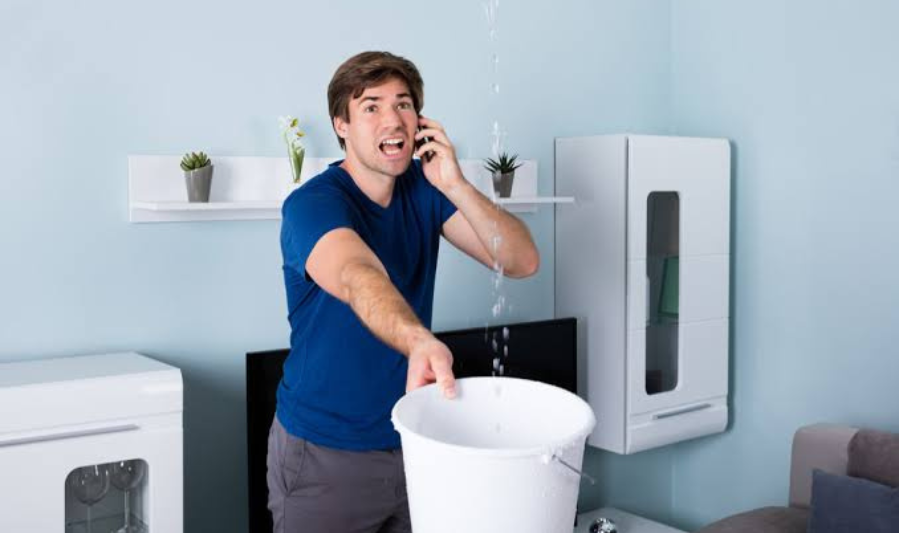
Emergency plumber services are professional plumbing solutions designed to address urgent problems that require immediate attention. These services help homeowners and businesses deal with issues such as burst pipes, severe water leaks, overflowing toilets, major drain blockages, and sudden water supply failures. The primary goal is to control the problem quickly, prevent further property damage, and restore essential plumbing functions as safely as possible.
Emergency plumbers often provide services outside standard business hours, including evenings, weekends, and holidays. Depending on the situation, they may repair damaged pipes, stop active leaks, clear serious blockages, fix malfunctioning water heaters, or temporarily secure a plumbing system until permanent repairs can be completed.
Difference Between Emergency and Routine Plumbing
Emergency and routine plumbing services both help maintain a reliable plumbing system, but they differ in urgency, response time, and the nature of the problem.
Emergency plumbing addresses urgent issues that could cause significant water damage, interrupt essential services, or create health and safety risks. These situations may require immediate action and an after-hours callout.
Routine plumbing involves non-urgent maintenance, inspections, installations, and repairs that can generally be scheduled in advance. Examples include replacing an aging faucet, installing a new sink, servicing plumbing fixtures, or fixing a minor drip that is not causing immediate damage.
The following table highlights the main differences:
| Feature | Emergency plumbing | Routine plumbing |
|---|---|---|
| Urgency | Immediate or urgent | Can usually be scheduled |
| Availability | May include nights and weekends | Typically standard business hours |
| Common problems | Burst pipes, major leaks, sewage backups | Faucet replacement, planned maintenance |
| Response time | As quickly as practical | Based on the appointment schedule |
| Cost | May include emergency or after-hours fees | Usually standard service rates |
Understanding this distinction helps you decide when to contact an emergency plumber and when a regular appointment is sufficient. If water is actively damaging your property or sewage is backing up into your home, do not delay seeking professional assistance.
Common Situations That Require Immediate Assistance
Some plumbing problems can worsen rapidly if they are not addressed. Recognizing the warning signs can help you respond promptly and reduce the risk of expensive repairs.
1. Burst Pipes and Major Water Leaks
Burst pipes can release large amounts of water in a short time, damaging walls, floors, ceilings, furniture, and electrical systems. Sudden drops in water pressure, visible pipe damage, or rapidly spreading water may indicate a serious leak.
If it is safe to do so, shut off the main water supply and contact an emergency plumber. If water is near electrical outlets, appliances, or electrical panels, stay away from the affected area and seek qualified assistance.
2. Overflowing Toilets
An overflowing toilet can spread contaminated water across the bathroom floor and create an unsanitary environment. Common causes include severe blockages, faulty internal components, or drainage problems.
Stop flushing immediately and, if you can do so safely, turn off the toilet’s water supply valve. Contact an emergency plumber if the overflow continues, sewage is present, or multiple fixtures are backing up.
3. Severe Drain Blockages and Sewage Backups
A severely blocked drain can prevent wastewater from flowing away properly. Warning signs include multiple slow drains, water backing up into sinks or showers, foul odors, and sewage emerging through floor drains.
Sewage backups require prompt professional attention because wastewater may contain harmful microorganisms. Avoid contact with the contaminated water and stop using affected plumbing fixtures until the problem has been assessed.
4. Water Heater Leaks or Dangerous Malfunctions
A leaking water heater can damage nearby flooring and property, while certain malfunctions may create additional safety risks. Significant leaks, unusual noises accompanied by other warning signs, or suspected gas leaks should not be ignored.
If you suspect a gas leak, leave the area without operating electrical switches or creating flames, and contact your local gas emergency service from a safe location. For a serious water heater leak, keep clear of potentially dangerous equipment and contact a qualified professional.
5. Sudden Loss of Water Supply
A sudden loss of water can disrupt essential household activities, including cooking, cleaning, and sanitation. The cause may be a local utility interruption, a closed valve, a failed pump, or a plumbing system fault.
Check whether neighboring properties are also affected and whether your water provider has reported an outage. If the interruption appears limited to your property or is accompanied by leaks, unusual pipe noises, or other warning signs, contact a plumber to investigate.
6. Plumbing Leaks Near Electrical Systems
Water leaking near electrical outlets, wiring, appliances, or an electrical panel presents a potentially serious hazard. Do not touch wet electrical equipment or enter standing water that may be energized.
Keep people away from the affected area and contact emergency services or a qualified electrician as appropriate. Arrange plumbing repairs once the area can be accessed safely.
When Should You Call an Emergency Plumber?
Call an emergency plumber when a plumbing problem threatens your safety, causes active property damage, interrupts essential services, or involves a sewage backup that cannot wait for a routine appointment.
If the issue is minor, contained, and not getting worse, scheduling a standard plumbing visit may be more economical. However, when you are unsure about the severity of a leak, blockage, or equipment malfunction, seek professional advice rather than risking further damage.
Responding quickly, taking sensible precautions, and choosing a qualified emergency plumber can help protect your property and restore your plumbing system with less disruption.
Common Plumbing Emergencies That Require Immediate Help
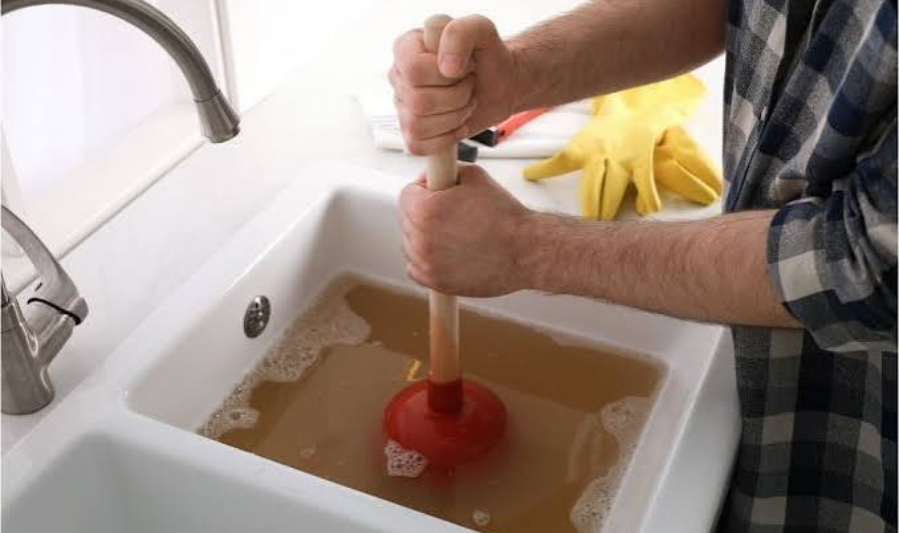
Plumbing emergencies can occur without warning and may cause significant property damage if they are not addressed promptly. Some problems, such as burst pipes and sewer backups, require immediate professional attention, while others may become urgent if they worsen or affect essential household services. Recognizing these situations helps you take appropriate action and determine when to call an emergency plumber.
3.1 Burst Pipes and Major Water Leaks
Burst pipes and major water leaks are among the most serious plumbing emergencies because they can release large amounts of water in a short period. Common causes include freezing temperatures, corrosion, excessive water pressure, damaged pipe connections, and aging plumbing materials.
Warning signs include sudden drops in water pressure, unexplained puddles, damp walls, ceiling stains, and the sound of running water when fixtures are turned off.
If it is safe, shut off the main water supply immediately to limit further damage. Keep away from water near electrical equipment, and contact an emergency plumber to locate the leak and repair the damaged pipe. Prompt action can help protect flooring, walls, furniture, and other belongings.
3.2 Overflowing Toilets
An overflowing toilet can quickly create an unsanitary mess and damage bathroom flooring. The problem may result from a blocked toilet trap, a clogged drain line, a malfunctioning fill valve, or a more extensive sewer blockage.
If the toilet begins overflowing, stop flushing immediately. If you can safely access the toilet’s shutoff valve, turn off the water supply. Avoid contact with wastewater, especially if it may contain sewage.
An emergency plumber can identify the cause, remove stubborn blockages, repair faulty components, and check for deeper drainage problems. If several toilets or drains are backing up at once, the issue may involve the main sewer line and requires prompt investigation.
3.3 Blocked Drains and Sewer Backups
Blocked drains can prevent wastewater from flowing away properly, causing water to back up into sinks, showers, bathtubs, or floor drains. Common causes include accumulated grease, hair, food debris, foreign objects, tree roots, and damaged sewer pipes.
A minor blockage in a single sink may be manageable with routine drain cleaning. However, multiple blocked fixtures, sewage odors, wastewater backing up into the home, or repeated drainage failures can indicate a more serious problem.
Stop using affected fixtures to avoid adding more wastewater to the system. Avoid contact with sewage and arrange professional assistance promptly. An emergency plumber can inspect the drainage system, clear the obstruction using suitable equipment, and determine whether pipe repairs are needed.
3.4 Water Heater Leaks and Failures
Water heater problems can interrupt hot water service and sometimes create risks involving flooding, electricity, or gas. Leaks may develop around valves, connections, or the tank itself, while other warning signs include unusual noises, inconsistent water temperatures, or visible corrosion.
A small performance issue may be suitable for a scheduled service appointment, but a significant leak, rapidly spreading water, or a suspected gas leak requires urgent attention.
If a gas leak is suspected, leave the area immediately without operating electrical switches or creating flames, and contact the local gas emergency service from a safe location. For a major water leak, avoid touching wet equipment or electrical connections and seek qualified assistance.
A qualified plumber can identify the source of the problem and determine whether the water heater can be repaired safely or needs replacement.
3.5 Sudden Loss of Water Supply
A sudden loss of water can disrupt cooking, cleaning, bathing, and other essential household activities. Possible causes include a municipal water interruption, a closed shutoff valve, a failed pump, a damaged supply pipe, or a fault in the property’s plumbing system.
First, check whether neighboring properties are experiencing the same problem. If the outage affects the wider area, contact your water supplier for information. If it is limited to your property, inspect accessible shutoff valves only if it is safe to do so.
Contact a plumber if the loss of water is accompanied by signs of a burst pipe, unexplained dampness, unusual pipe noises, or other plumbing failures. A professional can identify the cause and restore the supply when the issue lies within your property’s plumbing system.
3.6 Leaking Faucets and Broken Plumbing Fixtures
A dripping faucet or minor fixture leak is not always an emergency, but a sudden, heavy leak or a broken fixture that cannot be shut off can waste substantial water and damage surrounding surfaces.
Common causes include worn washers, damaged cartridges, loose connections, cracked fittings, and deteriorated seals. A minor drip can often wait for a routine repair, while a broken pipe connection or a faucet spraying water uncontrollably requires immediate attention.
If possible, close the fixture’s local shutoff valve or the main water supply to stop the leak. An emergency plumber can replace damaged components, repair connections, and check for additional problems that may lead to recurring leaks.
4. What Services Do Emergency Plumbers Offer?
Emergency plumbers provide urgent repair and diagnostic services to restore safe plumbing operation and minimize damage to homes and businesses. Their services vary by provider, but many can respond to problems involving water supply lines, toilets, drainage systems, water heaters, and damaged plumbing fixtures.
4.1 Burst Pipe Repair and Leak Detection
Emergency plumbers locate leaks, isolate damaged pipe sections, and carry out suitable repairs or temporary measures to stop water loss. Depending on the pipe material and severity of the damage, they may replace a section of pipe, repair a connection, or recommend further inspection.
Professional leak detection can also help identify hidden leaks behind walls, beneath floors, or in other difficult-to-access areas.
4.2 Emergency Drain Cleaning
When a blocked drain causes water to back up or prevents essential fixtures from operating, emergency plumbers can use suitable drain-cleaning equipment to remove the obstruction.
Depending on the blockage, they may use drain snakes, mechanical augers, or other specialized equipment. They can also investigate recurring clogs to determine whether the underlying problem involves grease buildup, foreign objects, tree roots, or damaged pipes.
4.3 Toilet and Bathroom Plumbing Repairs
Emergency plumbers can repair overflowing toilets, blocked toilet traps, failed flush mechanisms, broken supply lines, and leaking bathroom fixtures. They can also investigate whether several affected fixtures share a common drainage problem.
If the issue involves a minor replaceable component, the repair may be straightforward. More extensive blockages or damaged plumbing connections may require additional work.
4.4 Water Heater Troubleshooting and Repairs
Emergency plumbing services may include diagnosing leaking water heaters, faulty valves, damaged connections, and other problems affecting hot water supply.
A qualified professional can determine whether the equipment can be repaired or whether replacement is necessary. Gas and electrical components should only be handled by appropriately qualified professionals.
4.5 Sewer Line and Wastewater Problems
Sewer backups and failures in main drainage lines can pose sanitation risks and cause substantial property damage. Emergency plumbers may inspect accessible drainage points, clear obstructions, and use specialized inspection equipment to locate damaged sections.
If the problem involves a municipal sewer or shared infrastructure, the relevant utility or authority may also need to be contacted.
4.6 Emergency Shutoff and Temporary Repairs
In some situations, the immediate priority is to stop the water flow and prevent further damage before completing a permanent repair. Emergency plumbers can isolate affected pipe sections, secure damaged connections, and install temporary measures when appropriate.
They should explain whether the temporary fix is safe to rely on and what additional work is needed to restore the plumbing system fully.
4.7 After-Hours Plumbing Assistance
Many emergency plumbing providers offer services outside normal business hours, including nights, weekends, and public holidays. Availability and response times vary by location and provider.
Before confirming a callout, ask about the estimated arrival time, emergency service fees, diagnostic charges, and whether the plumber has experience handling your specific problem. Clear communication helps you understand the likely costs and the next steps.
Choosing a qualified emergency plumber can help resolve urgent plumbing issues efficiently while reducing the risk of further damage. If a problem threatens safety, involves active flooding, or causes sewage to enter the property, take appropriate precautions and seek professional assistance without delay.
Benefits of Hiring Emergency Plumber Services Near Me
When a plumbing emergency occurs, finding a reliable plumber nearby can help you address the problem quickly and minimize disruption to your home or business. Local emergency plumbing services can provide convenient access to professional repairs, diagnostic equipment, and follow-up support when urgent issues arise. Whether you are dealing with a burst pipe, an overflowing toilet, or a blocked drain, hiring a qualified local plumber offers several important benefits.
5.1 Faster Local Assistance
One of the main benefits of hiring an emergency plumber near you is the potential for a faster response. Local plumbers often serve specific neighborhoods or service areas, which may allow them to reach your property sooner than providers located farther away.
Quick assistance is particularly important when water is actively leaking, a pipe has burst, or sewage is backing up into your home. When contacting a nearby plumber, explain the problem clearly, provide your location, and ask for an estimated arrival time.
However, response times depend on traffic, technician availability, workload, and the severity of other emergencies. Confirming availability before booking can help you choose a service that meets your needs.
5.2 Reduced Risk of Water Damage
Plumbing emergencies can cause extensive damage if water continues leaking or overflowing. Moisture can affect flooring, walls, ceilings, furniture, and electrical systems, potentially leading to expensive restoration work.
Hiring an emergency plumber promptly can help stop the water flow, identify the source of the leak, and prevent the damage from spreading. A professional can also determine whether additional repairs are necessary to protect the plumbing system.
While waiting for assistance, shut off the main water supply if it is safe to do so. Keep away from water near electrical equipment, and avoid entering areas where flooding may create an electrical hazard. Taking these precautions can help limit damage until the plumber arrives.
5.3 Professional Diagnosis
A plumbing emergency may have several possible causes, and treating the visible symptom alone may not solve the underlying problem. For example, repeated drain backups may indicate a deeper blockage, while unexplained damp patches could point to a hidden pipe leak.
Professional emergency plumbers use their training and experience to assess the problem, identify its likely cause, and recommend appropriate repairs. Depending on the situation, they may inspect pipe connections, test fixtures, or use specialized leak-detection equipment.
Accurate diagnosis can help prevent unnecessary part replacements, recurring plumbing failures, and additional repair expenses. Before work begins, ask the plumber to explain the problem, the recommended solution, and any expected additional costs.
5.4 Access to Specialized Tools
Emergency plumbers often carry specialized equipment designed to handle problems that cannot be resolved with basic household tools. Depending on the service provider and the nature of the emergency, this equipment may include:
- Drain snakes and augers: Help remove stubborn blockages from compatible drain lines.
- Leak-detection equipment: Helps locate hidden leaks without unnecessary damage to walls or floors.
- Pipe repair tools: Support repairs to damaged pipes, fittings, and connections.
- Inspection cameras: Allow plumbers to examine certain drain lines and identify internal obstructions.
- Water extraction equipment: May be available through the plumbing provider or a separate water-damage restoration service.
Access to the right tools can make repairs more efficient and help address difficult plumbing problems safely. Before booking, confirm that the plumber has the equipment and experience needed for your particular issue.
5.5 Convenient Follow-Up Repairs
Some plumbing emergencies require more than a quick repair. A burst pipe may need additional pipe replacement, recurring blockages may require further inspection, and water-damaged areas may need professional restoration after the plumbing issue has been resolved.
Hiring a local emergency plumber can make it easier to arrange follow-up visits, discuss warranties, and complete any recommended repairs. A nearby provider may also be more convenient to contact if the same problem returns.
Before hiring a plumber, ask whether the initial repair is temporary or permanent, whether follow-up visits are included in the quoted price, and what warranty applies to the work and replacement parts.
Choosing a dependable local plumber can help you manage an emergency from the initial diagnosis through any necessary follow-up work. Prioritize qualifications, transparent pricing, relevant experience, and confirmed availability rather than choosing a provider based on proximity alone.
You may also like to read these posts:
Best Toilet Repair Kit: Top Choices for Easy and Reliable Toilet Repairs
Best Toilet Repair Kit: Top Picks for Easy and Reliable Toilet Repairs
Best Drain Snake for Home: Top Picks for Easy and Effective Clog Removal
How to Find a Reliable Emergency Plumber Near You
Finding a reliable emergency plumber near you is essential when a burst pipe, severe leak, overflowing toilet, or blocked drain requires urgent attention. However, choosing the first available service may not always be the best decision. A qualified plumber should respond promptly, explain the problem clearly, provide transparent pricing, and perform repairs that meet appropriate professional standards.
By researching local plumbing companies, checking customer feedback, and confirming important service details, you can make a more informed choice even during a stressful plumbing emergency.
6.1 Search Local Plumbing Companies
Start by searching online for emergency plumbing services in your area. Search engines, online business directories, and map listings can help you identify plumbers who serve your neighborhood and offer urgent repair services.
Use specific search terms such as “emergency plumber near me,” “24-hour plumbing services,” or “local burst pipe repair.” Review each company’s website or business listing to determine whether it handles your particular plumbing problem.
Prioritize companies that clearly list their service areas, contact details, operating hours, and emergency services. Remember that a business advertising 24-hour service may not always have a technician available immediately, so call to confirm availability and the expected arrival time.
6.2 Check Reviews and Ratings
Customer reviews can help you evaluate a plumbing company’s reliability, communication, and quality of work. Check multiple review platforms rather than relying on testimonials published only on the company’s website.
Look for consistent feedback about punctuality, professionalism, pricing transparency, and whether repairs successfully resolved the problem. Reviews describing how a plumber handled urgent situations can be especially useful when choosing an emergency service.
Pay attention to recurring complaints about unexpected charges, missed appointments, or repairs that failed shortly afterward. A few negative reviews do not necessarily mean a company is unreliable, but repeated patterns may indicate potential concerns.
Consider how the company responds to complaints, too. Professional responses that address customer concerns respectfully can provide additional insight into its approach to customer service.
6.3 Verify Qualifications and Experience
Before hiring an emergency plumber, check whether the professional has the qualifications, licenses, registrations, or insurance required in your area. Requirements vary by location and by the type of plumbing work being performed.
Ask about the plumber’s experience with your specific issue. A professional who regularly handles burst pipes, sewer backups, water heater failures, or complex drain blockages may be better equipped to diagnose and repair the problem efficiently.
You can also ask whether the company provides written estimates, explains the repair process, and uses appropriate replacement parts. If the job involves gas appliances or electrical components, confirm that the person performing that work has the necessary authorization and expertise.
Taking a few moments to verify credentials can help reduce the risk of poor workmanship, unsafe repairs, and unnecessary expenses.
6.4 Confirm Availability and Response Time
Emergency plumbing problems often require immediate attention, so confirm that the company can actually attend your property when needed. Even a nearby plumber may have a full schedule or be handling another urgent call.
When contacting the service provider, explain the problem, describe any active water leakage or flooding, and ask for an estimated arrival time. Confirm whether emergency appointments are available during evenings, weekends, and public holidays if necessary.
It is also useful to ask whether the company has technicians operating in your area and whether the quoted response time is realistic.
If water is actively damaging your property, shut off the water supply if it is safe to do so while waiting for assistance. Keep away from flooded areas near electrical equipment and do not delay contacting emergency services if an immediate safety hazard exists.
6.5 Compare Estimates and Service Fees
Emergency plumbing costs can vary depending on the severity of the problem, the time of the callout, the required equipment, and the replacement parts involved. Some companies charge an emergency attendance fee, while others may apply higher rates outside standard business hours.
Before authorizing repairs, ask for a clear explanation of the expected charges. Find out whether the estimate includes:
- Callout or inspection fees: The cost of sending a plumber to assess the problem.
- Labor charges: The cost of diagnosing and completing the repair.
- Replacement parts: The price of pipes, valves, fittings, or other necessary components.
- After-hours surcharges: Additional charges for nights, weekends, or holidays.
- Additional work: Potential costs if the initial inspection reveals further damage.
Where practical, compare estimates from two or more providers. However, if a serious leak or sewage backup is causing active damage, do not delay essential emergency work simply to obtain multiple quotes.
Choose a plumber who explains the costs clearly and obtains your approval before undertaking significant additional work.
6.6 Ask About Workmanship Guarantees
A workmanship guarantee can provide reassurance that a plumber stands behind the quality of the repairs. Before hiring a company, ask whether it offers a written guarantee and what the terms cover.
Find out how long the guarantee lasts, whether it applies to labor and replacement parts, and what exclusions or conditions may apply. Some manufacturers provide separate warranties for parts, while the plumbing company may provide its own guarantee for installation work.
Request written documentation of the completed repair, including any parts replaced and recommendations for further maintenance. Keep receipts, invoices, and warranty information in case the same issue returns.
Be cautious of vague promises that are not supported by clear written terms. A reputable plumber should be willing to explain the coverage and any limitations before starting work.
Final Tips for Choosing an Emergency Plumber
The best emergency plumber is not necessarily the cheapest or the closest. Look for a professional who offers confirmed availability, relevant experience, transparent pricing, appropriate qualifications, and clear workmanship terms.
Keep the contact details of a trusted local plumbing service accessible before an emergency occurs. Being prepared can help you respond faster, reduce stress, and protect your property when unexpected plumbing problems arise.
How Much Do Emergency Plumber Services Cost?
The cost of emergency plumber services depends on the severity of the plumbing problem, the time of the callout, the repair work required, and the cost of replacement parts. A minor leak or blocked sink may be relatively inexpensive to fix, while a burst pipe, sewer backup, or major water heater failure can require more labor, specialized equipment, and additional repairs.
Emergency plumbing services may also cost more than routine appointments because plumbers often need to respond outside regular business hours. Understanding the main pricing factors can help you budget for urgent repairs, compare service providers, and avoid unexpected charges.
Factors That Affect Emergency Plumbing Costs
Several factors influence the final cost of hiring an emergency plumber:
- Severity of the problem: A simple repair generally costs less than a major leak, extensive pipe damage, or a severe sewer blockage.
- Time of service: Evening, overnight, weekend, and holiday callouts may involve additional fees.
- Repair complexity: Difficult-to-access pipes, hidden leaks, and complicated drainage problems may require more time and specialized equipment.
- Replacement parts: The price of valves, fittings, pipes, seals, and other components affects the overall bill.
- Location and travel: Distance, local labor rates, and the plumber’s service area may influence callout charges.
- Additional damage: Water-damaged flooring, walls, or ceilings may require separate restoration work beyond the plumbing repair.
When requesting a quote, explain the symptoms clearly and ask which costs are included in the estimated price. This helps you understand the likely expense before authorizing the work.
FAQS:
How do I find emergency plumber services near me?
Search online for local emergency plumbers, check customer reviews, verify their experience, and confirm their availability and estimated arrival time before booking.
Are emergency plumbers available 24/7?
Some emergency plumbers provide 24/7 services, including nights, weekends, and holidays. Contact the provider directly to confirm availability and any additional after-hours charges.
How much do emergency plumber services cost?
Costs depend on the type of plumbing problem, labor, replacement parts, and time of service. Ask for an estimate that includes call-out fees and any emergency surcharges.
What is considered a plumbing emergency?
Burst pipes, major water leaks, sewage backups, overflowing toilets, and serious water heater leaks may require urgent professional attention to prevent property damage or unsafe conditions.
What should I do while waiting for an emergency plumber?
Turn off the main water supply if it is safe, protect your belongings from water damage, and stay away from electrical hazards. Explain the problem clearly to the plumber when you contact them.
Conclusion
Finding reliable emergency plumber services near me can help you resolve urgent plumbing problems quickly and minimize property damage. Whether you’re dealing with burst pipes, leaking fixtures, or blocked drains, choose an experienced plumber who offers transparent pricing and dependable service. Acting promptly and taking the right safety precautions can help protect your home and restore your plumbing system.