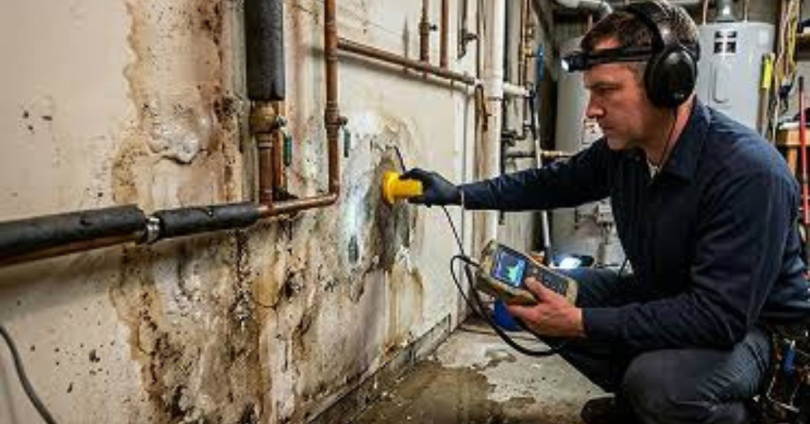

Introduction
Water leaks are common household problems that should be addressed promptly to protect a property’s structure, prevent water waste, and avoid expensive repairs. Whether a leak occurs in a water supply pipe, bathroom fixture, kitchen sink, ceiling, or hidden plumbing connection, even a small amount of escaping water can cause significant damage if left untreated. Early detection and timely repairs are essential for maintaining a safe, comfortable, and well-maintained home.
Water leaks can affect multiple areas of a property, including walls, floors, ceilings, furniture, and cabinets. Persistent moisture may cause paint to peel, wood to swell, plaster to deteriorate, and flooring materials to weaken. In some cases, prolonged dampness can encourage mold growth, create unpleasant odors, and damage personal belongings. Hidden leaks are particularly concerning because they may continue for weeks or months before visible warning signs appear, potentially increasing repair and restoration costs.
Professional water leak repair services help homeowners identify the source of a leak and resolve the problem using appropriate tools and repair techniques. Experienced plumbers can inspect water supply lines, repair damaged pipes, replace faulty valves, address leaking fixtures, and use specialized leak-detection equipment to locate concealed problems. Prompt professional assistance can help limit water damage, reduce unnecessary water consumption, and prevent minor plumbing faults from developing into major issues.
In this guide, you will learn about common causes of water leaks, the signs that indicate a potential plumbing problem, and the different types of water leak repair services available. You will also discover the benefits of hiring professional plumbers and how to choose a reliable service provider. Understanding these essential factors can help you respond quickly to leaks, protect your property, and avoid unnecessary repair expenses.
What Are Water Leak Repair Services?
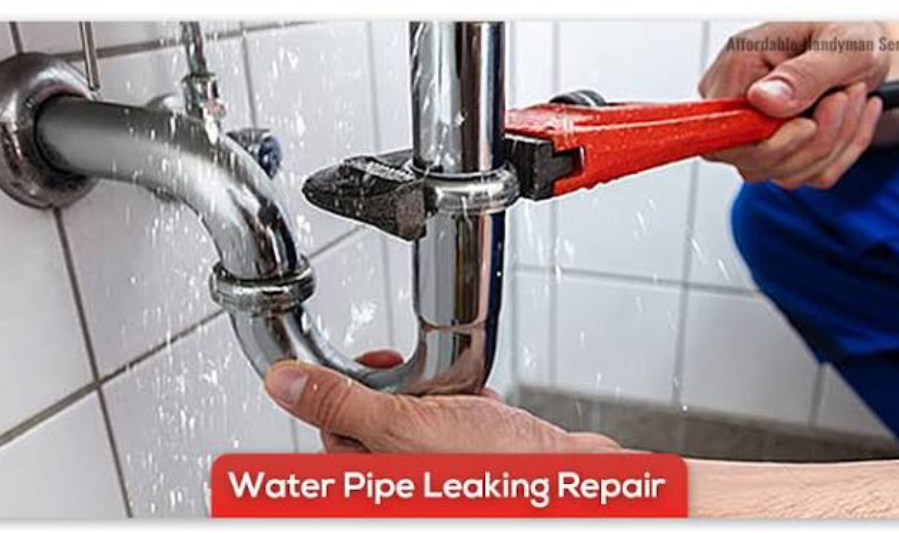
Water leak repair services involve identifying, diagnosing, and fixing leaks in plumbing systems, water supply lines, drainage pipes, fixtures, and other water-carrying components. These services help prevent water waste, protect building materials, and reduce the risk of costly property damage.
Water leaks can occur in many locations, including bathrooms, kitchens, basements, ceilings, walls, utility rooms, and outdoor plumbing connections. Common causes include corroded pipes, loose fittings, worn seals, damaged valves, excessive water pressure, and aging plumbing systems. Some leaks are immediately visible, while others remain concealed behind walls, beneath floors, or inside ceilings.
Professional plumbers use appropriate inspection methods and repair techniques to locate the source of a leak and determine the most effective solution. Depending on the problem, the work may involve tightening connections, replacing damaged pipe sections, repairing faulty fixtures, or installing new plumbing components.
Timely water leak repair helps limit moisture damage, maintain plumbing efficiency, and prevent minor faults from becoming more serious problems.
Difference Between Leak Detection and Leak Repair
Leak detection and leak repair are closely related services, but they serve different purposes. Leak detection focuses on finding the location and cause of a leak, while leak repair involves fixing the faulty component responsible for the water loss.
Leak detection is particularly important when the source of a leak is hidden or difficult to identify. Plumbers may inspect visible pipes, check water pressure, use moisture meters, or employ acoustic equipment and thermal imaging where appropriate. These methods help narrow down the location of concealed leaks while minimizing unnecessary damage to walls, floors, or ceilings.
Leak repair begins once the problem has been identified. Depending on the findings, a plumber may replace a damaged pipe, repair a leaking joint, install a new valve, renew a worn seal, or repair a faulty plumbing fixture.
The main differences are outlined below:
| Feature | Leak detection | Leak repair |
|---|---|---|
| Main purpose | Locate and diagnose the leak | Stop the leak and correct the fault |
| Typical tasks | Inspection, testing, moisture assessment | Pipe repair, seal replacement, fitting replacement |
| Equipment | Detection and diagnostic tools | Plumbing repair tools and replacement parts |
| When needed | When a leak is suspected or its source is unclear | When the faulty component needs fixing |
| Main benefit | Helps identify the correct repair location | Helps prevent further water loss and damage |
In many situations, both services are necessary. Accurate detection helps ensure that the repair addresses the actual source of the problem rather than simply treating visible symptoms.
Common Residential and Commercial Leak Repair Solutions
Water leak repair services are available for residential properties, commercial buildings, and other facilities with plumbing systems. The appropriate solution depends on the location of the leak, the condition of the affected materials, and the type of plumbing installation.
Residential Water Leak Repairs
Residential leak repair services address problems affecting houses, apartments, and other homes. Common solutions include:
- Pipe leak repair: Fixing leaking joints, cracked pipes, corroded sections, and damaged water supply lines.
- Bathroom leak repair: Resolving leaks around toilets, faucets, showers, bathtubs, and concealed bathroom pipes.
- Kitchen plumbing repairs: Fixing leaking sink connections, faucets, dishwasher hoses, and garbage disposal connections.
- Ceiling and wall leak detection: Investigating damp patches, water stains, peeling paint, and suspected concealed pipe leaks.
- Water heater leak repairs: Inspecting leaking connections, valves, and other repairable components associated with water heaters.
- Outdoor plumbing repairs: Addressing leaks in accessible outdoor taps, irrigation connections, and water supply pipes.
Depending on the severity of the damage, additional drying, mold remediation, or building restoration may be needed after the plumbing leak has been repaired.
Commercial Water Leak Repairs
Commercial leak repair services help protect offices, retail stores, restaurants, hotels, warehouses, and other business premises. Plumbing leaks in these environments can disrupt operations, damage equipment, and affect employees, customers, or stored inventory.
Common commercial solutions include:
- Commercial pipe repairs: Repairing or replacing damaged water supply and distribution pipes.
- Restroom plumbing repairs: Fixing leaking toilets, faucets, urinals, and washbasin connections.
- Kitchen and food-service leak repairs: Addressing leaks in commercial sinks, dishwashing equipment connections, and related plumbing systems.
- Plant room and utility pipe repairs: Inspecting accessible plumbing connections, valves, and water distribution equipment.
- Leak detection in larger buildings: Investigating suspected leaks across multiple floors or concealed plumbing networks.
- Preventive plumbing inspections: Checking accessible pipes, fittings, and valves to identify potential problems before they cause major disruption.
Commercial properties may have more extensive plumbing systems than residential buildings, so leak diagnosis and repairs can require additional planning, specialist equipment, or coordination with building management.
Why Professional Inspection Is Important
Professional inspection is important because the visible signs of a water leak do not always reveal its true source. For example, a damp ceiling may be caused by a leaking pipe above it, a bathroom fixture on the floor above, or another source of water intrusion. Repairing the visible stain without identifying the cause may allow the problem to continue.
A professional plumber can assess the affected area, inspect accessible plumbing components, and use suitable diagnostic methods to locate the source of the leak. This helps determine whether the problem involves a damaged pipe, a faulty connection, a leaking fixture, or another plumbing issue.
Professional inspection offers several important benefits:
- More accurate diagnosis: Helps distinguish the actual leak source from secondary signs of water damage.
- Reduced property disruption: Appropriate detection methods may limit unnecessary opening of walls, ceilings, or floors.
- Suitable repair recommendations: Helps determine whether a component can be repaired or needs replacement.
- Reduced risk of recurring leaks: Addressing the underlying cause can help prevent repeated water loss.
- Improved safety: Identifies situations requiring urgent attention, particularly major leaks or water near electrical equipment.
If a significant leak occurs, shut off the water supply if it is safe to do so and contact a qualified plumber. Avoid touching electrical equipment or entering flooded areas where electrical hazards may be present.
When Should You Seek Water Leak Repair Services?
You should arrange a professional inspection if you notice unexplained water stains, damp walls, swollen flooring, dripping pipes, persistent musty odors, or an unexpected increase in water consumption. Water sounds when fixtures are turned off may also indicate a possible hidden leak.
Visible leaks should be addressed promptly, while major leaks or rapidly spreading water require urgent attention. If the problem involves sewage, contaminated water, or an electrical hazard, take appropriate precautions and seek qualified assistance.
Water leak repair services help restore the proper functioning of plumbing systems and protect properties from avoidable damage. By combining accurate leak detection, effective repairs, and routine plumbing inspections, property owners can reduce water waste, protect building materials, and minimize the likelihood of expensive future repairs.
Common Types of Water Leaks
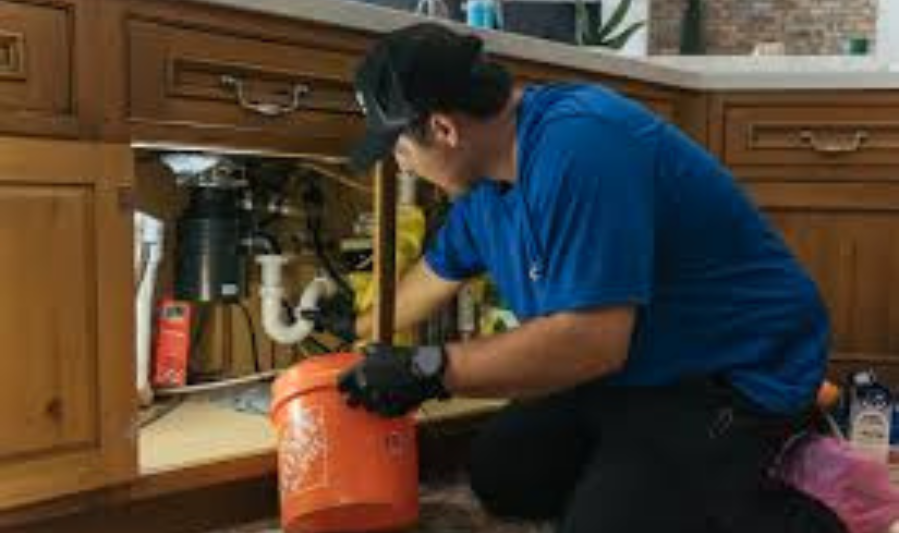
Water leaks can occur in almost any part of a residential or commercial property, from visible plumbing fixtures to concealed pipes beneath floors and behind walls. Some leaks appear as dripping water or small puddles, while others remain hidden until they cause dampness, stains, or an unexpected increase in water consumption.
Common causes include aging pipes, worn seals, loose connections, corrosion, excessive water pressure, and damaged plumbing components. Understanding the different types of water leaks can help property owners recognize warning signs, take appropriate action, and arrange professional repairs before the damage becomes more serious.
3.1 Leaking Water Pipes
Leaking water pipes are a common plumbing problem that can waste water and damage nearby building materials. Pipes may develop leaks because of corrosion, cracks, loose joints, excessive pressure, physical damage, or deterioration over time.
Visible pipe leaks often appear beneath sinks, around exposed plumbing connections, or in utility rooms. However, pipes concealed inside walls, ceilings, or floors can leak without producing immediately noticeable signs.
Warning signs include damp patches, water stains, peeling paint, swollen surfaces, and unexplained increases in water bills. You may also hear water running when all faucets and connected fixtures are turned off.
A professional plumber can inspect the affected pipe, identify the source of the leak, and determine whether a fitting can be repaired or a damaged section needs replacement. Prompt repairs help prevent further water loss and reduce the risk of structural damage.
3.2 Dripping Faucets and Showerheads
Dripping faucets and showerheads are among the most noticeable types of water leaks. These problems often occur because of worn washers, damaged cartridges, deteriorated seals, loose connections, or mineral deposits that interfere with proper sealing.
Although a slow drip may seem harmless, it can waste water over time and increase utility expenses. Leaks around faucet bases or shower connections may also allow water to collect on countertops, bathroom floors, or nearby surfaces.
In some cases, cleaning mineral buildup or replacing a worn component can resolve the problem. However, a faucet or shower valve that continues leaking after basic maintenance may require professional inspection.
A plumber can identify the faulty component, repair or replace the necessary parts, and check the fixture’s operation. Addressing dripping fixtures promptly helps conserve water and prevents persistent moisture from affecting surrounding materials.
3.3 Toilet Tank and Base Leaks
Toilet leaks can originate inside the tank, around the toilet base, or from the water supply connections. These leaks may waste significant amounts of water or damage bathroom flooring if left unresolved.
Toilet tank leaks commonly result from worn flappers, faulty fill valves, damaged flush valves, or deteriorated tank seals. Water may continuously flow from the tank into the bowl, even when the toilet is not being used.
Toilet base leaks may indicate a damaged seal between the toilet and the drainage connection, loose mounting hardware, or a cracked fixture. Water appearing around the base after flushing should be investigated promptly because the leak may involve wastewater.
A professional plumber can inspect the toilet mechanism, replace faulty components, and reseal or reinstall the fixture when necessary. If water is pooling around the base, avoid using the toilet until the source has been assessed, particularly if sewage contamination is possible.
3.4 Hidden Leaks Behind Walls
Hidden leaks behind walls occur when water escapes from concealed plumbing pipes, shower connections, bathroom fixtures, or other water-carrying components. Because the leak is not directly visible, it may continue for an extended period before obvious damage develops.
Common warning signs include damp or discolored walls, peeling paint, bubbling wallpaper, musty odors, damaged skirting boards, and unexplained moisture in adjoining rooms. In some cases, homeowners may notice higher water bills or a persistent sound of running water.
These leaks can damage plaster, drywall, insulation, and wooden framing. Prolonged moisture may also encourage mold growth and require additional restoration work.
Professional plumbers can use suitable detection methods, such as moisture meters, acoustic equipment, pressure testing, or thermal imaging where appropriate, to help locate the source. Once identified, the damaged pipe or connection can be repaired with as little unnecessary disruption as possible.
Early detection is particularly important because repairing a hidden leak after extensive damage has occurred can be more expensive than addressing the original plumbing fault.
3.5 Ceiling and Roof Water Leaks
Ceiling and roof leaks can cause water stains, peeling paint, damaged plaster, and deterioration of ceilings and nearby furnishings. These leaks may originate from plumbing pipes above the ceiling, leaking bathroom fixtures on an upper floor, damaged roof coverings, or faulty flashing and drainage components.
The source is not always directly above the visible stain. Water can travel along pipes, beams, or other building materials before appearing in a different location.
Plumbing-related ceiling leaks may require a plumber to inspect concealed supply lines, drainage pipes, or connections serving upstairs bathrooms. Roof-related leaks usually require assessment by a qualified roofing professional.
If water is dripping through a ceiling, protect furniture where safe and keep away from sagging or heavily saturated sections. Avoid touching electrical fixtures or switches near the affected area if moisture is present.
Identifying the correct source is essential. Repairing the ceiling surface without fixing the underlying leak will not prevent the damage from returning.
3.6 Water Heater Leaks
Water heater leaks can occur around pipe connections, inlet and outlet fittings, valves, seals, or the tank itself. Common causes include corrosion, worn components, loose connections, excessive pressure, and age-related deterioration.
Warning signs include moisture around the base of the unit, dripping from connected pipes, rust-colored water, visible corrosion, or unexplained puddles in the utility area.
A leaking connection may sometimes be repairable, but a corroded or damaged storage tank often requires replacement. The appropriate solution depends on the heater’s design, age, condition, and the source of the leak.
If the leak is significant, stop using the unit and follow the manufacturer’s shutdown instructions if it is safe to do so. Gas or electrical isolation should only be handled when it can be done safely; otherwise, contact an appropriately qualified professional.
A plumber or qualified water heater technician can inspect the unit, identify the faulty component, and recommend a suitable repair or replacement. Prompt attention helps reduce water damage and may prevent a minor connection problem from becoming a larger failure.
3.7 Underground Water Line Leaks
Underground water line leaks occur when buried supply pipes become cracked, corroded, damaged by shifting soil, or affected by root intrusion or other external forces. Because these pipes are concealed, the leak may not be immediately obvious.
Possible warning signs include unexpectedly high water bills, persistently wet patches in the yard, unusually green areas of grass, reduced water pressure, or water surfacing near a buried supply line.
In some cases, a leak may occur beneath a driveway, walkway, or building foundation, making it difficult to identify the exact location without specialized equipment.
Professional plumbers can assess the supply system and use suitable leak-detection methods to narrow down the location of the problem. Depending on the pipe material, leak severity, and accessibility, repairs may involve replacing a damaged section or installing a new line.
Underground leaks should be addressed promptly because they can waste substantial amounts of water and potentially affect nearby soil or structures. Property owners should also confirm whether the affected line is their responsibility or belongs to the local water utility.
3.8 Leaking Kitchen and Bathroom Fixtures
Kitchen and bathroom fixtures can develop leaks around faucets, sinks, showers, bathtubs, toilets, valves, and connected appliances. These problems commonly occur because of worn seals, loose fittings, damaged hoses, cracked fixtures, or deteriorated connections.
Kitchen leaks may originate beneath sinks, around garbage disposal connections, or at dishwasher supply and drain hoses. Bathroom leaks may involve shower valves, toilet supply lines, bathtub faucets, or sink drain assemblies.
Common warning signs include puddles beneath cabinets, moisture around fixture bases, damp flooring, persistent dripping, and musty odors. Some leaks occur only when the fixture is being used, making them harder to detect during a quick visual inspection.
A professional plumber can examine the affected fixture and determine whether tightening a connection, replacing a seal, repairing a pipe, or installing a new component is necessary.
Regularly checking accessible plumbing connections and addressing small leaks early can help protect cabinets, floors, walls, and other surrounding materials from water damage.
When Should You Call a Professional for Water Leak Repairs?
Professional assistance is recommended when a leak persists, its source is unclear, or the affected plumbing component cannot be repaired safely. Hidden pipe leaks, underground water line problems, water heater leaks, and recurring toilet leaks often require specialist diagnosis.
Seek urgent help if water is spreading rapidly, a pipe has burst, a ceiling is sagging from water accumulation, or water is approaching electrical equipment. Shut off the water supply if it is safe to do so, and keep away from flooded areas where electrical hazards may be present.
Recognizing common types of water leaks can help property owners respond quickly and prevent avoidable damage. With accurate leak detection, timely repairs, and regular plumbing inspections, homeowners and businesses can reduce water waste, protect building materials, and limit the cost of future repairs.
Warning Signs of a Water Leak
Water leaks are not always easy to identify, especially when they occur behind walls, beneath floors, or inside ceilings. While some leaks produce visible drips or puddles, others develop gradually and remain unnoticed until they cause property damage or increase water consumption.
Recognizing the early warning signs of a water leak can help homeowners take action before the problem becomes more serious. From unexplained water bills to persistent dampness, the following symptoms can indicate a plumbing issue that requires further investigation.
Unexpected Increases in Water Bills
An unexpected increase in your water bill may indicate a hidden plumbing leak, particularly if your household water usage has remained relatively consistent. Damaged pipes, leaking faucets, faulty toilet mechanisms, and leaking supply lines can waste water continuously without producing obvious signs.
Begin by comparing recent bills with previous usage and considering changes in household occupancy, water rates, or seasonal consumption. You should also check accessible faucets, toilets, and plumbing connections for visible leaks.
If your water consumption remains unusually high without an obvious explanation, a professional plumber can inspect the plumbing system and investigate possible concealed leaks. Identifying the source early can help reduce water waste and prevent additional damage to your property.
Damp Walls, Floors, or Ceilings
Damp walls, wet flooring, and ceiling stains are common warning signs of a possible water leak. Water may escape from concealed supply pipes, bathroom plumbing, roof connections, or appliances before spreading through nearby building materials.
You may notice dark patches on walls, moisture around skirting boards, swollen flooring, or water stains on ceilings. In some cases, dampness appears far from the original leak because water travels along pipes, beams, or other surfaces.
Persistent moisture can weaken building materials and create conditions that encourage mold growth. Simply drying the visible area will not resolve the problem if water continues escaping from the source.
A professional plumber can inspect accessible pipes and fixtures and use suitable leak-detection methods to locate the cause. If the leak originates from the roof or another non-plumbing source, a relevant specialist may also be required.
Peeling Paint and Bubbling Plaster
Peeling paint, bubbling wall finishes, and deteriorating plaster can indicate prolonged exposure to moisture. When water enters walls or ceilings, it may weaken the bond between paint and the underlying surface, causing finishes to blister, crack, or separate.
These symptoms may develop gradually and can be mistaken for ordinary aging or poor-quality paint. However, if the affected area remains damp or the damage repeatedly returns after repainting, an underlying leak should be investigated.
Potential sources include leaking water pipes, faulty bathroom connections, damaged shower seals, or plumbing located above the affected surface.
A professional can help identify whether the moisture originates from plumbing and recommend the appropriate repair. Any damaged plaster, paint, or other building materials may need separate restoration after the leak has been resolved.
Repainting without fixing the underlying cause is unlikely to provide a lasting solution.
Common Causes of Water Leaks
Water leaks can develop for several reasons, including aging plumbing components, damaged pipes, loose connections, and improper installation. Some leaks appear suddenly, while others develop gradually and remain unnoticed until they cause damp walls, damaged flooring, or higher water bills.
Understanding the common causes of water leaks helps homeowners identify potential problems early and determine when professional repairs are necessary. Regular plumbing inspections, proper installation, and timely replacement of worn components can reduce the risk of unexpected leaks and costly property damage.
5.1 Corroded or Aging Pipes
Corroded or aging pipes are a common cause of water leaks in older residential and commercial properties. Over time, certain pipe materials can deteriorate because of corrosion, mineral deposits, water chemistry, and prolonged exposure to moisture. This deterioration can weaken pipe walls and eventually lead to pinhole leaks, cracks, or joint failures.
Metal pipes, particularly older galvanized steel pipes, may be vulnerable to internal corrosion and restricted water flow. Other pipe materials can also develop leaks as they age or experience damage.
Common warning signs include rust-colored water, visible corrosion, damp patches near exposed pipes, reduced water pressure, and unexplained increases in water consumption.
A professional plumber can inspect the affected pipework, assess its condition, and determine whether a localized repair or pipe replacement is appropriate. Replacing severely deteriorated sections can help prevent recurring leaks and improve the reliability of the plumbing system.
5.2 Loose Plumbing Connections
Loose plumbing connections can allow water to escape from joints, fittings, valves, faucets, and appliance supply lines. These problems may develop because of vibration, temperature changes, normal wear and tear, or improper tightening during installation.
Leaks from loose connections often occur beneath kitchen or bathroom sinks, behind toilets, near water heaters, and around washing machine hoses. In some cases, water may only escape when the connected fixture or appliance is operating.
Homeowners may notice dripping water, wet cabinet surfaces, puddles near fixtures, or moisture around exposed pipe joints.
Accessible connections can sometimes be checked visually, but excessive tightening may damage fittings or seals. If a connection continues leaking, a professional plumber can determine whether it needs adjustment, a replacement seal, or a new fitting.
Addressing loose connections promptly helps prevent water waste and reduces the risk of moisture damage to nearby cabinets, floors, and walls.
5.3 Worn Washers and Seals
Washers and seals help prevent water from escaping around plumbing connections and moving fixture components. Over time, these parts can deteriorate because of repeated use, pressure changes, heat, mineral buildup, or the natural aging of the material.
Worn washers and seals commonly cause dripping faucets, leaking showerheads, toilet tank leaks, and moisture around pipe connections. A damaged toilet seal may also allow water to escape around the base of the fixture.
Typical warning signs include persistent dripping, moisture around fittings, water pooling near fixtures, and leaks that return after temporary adjustments.
Depending on the fixture, replacing the worn washer, cartridge, gasket, or seal may resolve the problem without requiring the entire component to be replaced. However, damaged or corroded fittings may also need attention.
A professional plumber can identify the faulty part, install a compatible replacement, and test the fixture to confirm that the leak has stopped. Routine inspection of accessible seals and connections can help prevent small leaks from becoming more serious.
5.4 Excessive Water Pressure
Excessive water pressure can place additional strain on pipes, valves, fittings, flexible supply hoses, and plumbing fixtures. When pressure remains higher than the plumbing system is designed to handle, it may contribute to premature wear, recurring leaks, and component failures.
High pressure may also cause banging pipes, noisy faucets, leaking toilet valves, or repeated problems with appliance connections. However, these symptoms can have other causes, so pressure should be tested before a repair is selected.
A professional plumber can measure the water pressure, inspect the system, and determine whether a pressure-reducing valve or another corrective measure is needed. If an existing pressure regulator is faulty, adjustment or replacement may be appropriate.
Maintaining water pressure within the range recommended for the plumbing system helps protect fixtures and connections from unnecessary stress. It can also improve overall plumbing reliability and reduce the likelihood of pressure-related leaks.
5.5 Damaged Water Supply Lines
Water supply lines carry water to fixtures and appliances such as toilets, faucets, dishwashers, washing machines, and water heaters. These lines can develop leaks when hoses become worn, pipes crack, fittings loosen, or connections deteriorate.
Flexible supply hoses may be particularly vulnerable to aging, corrosion at fittings, kinking, or physical damage. Rigid pipes can also leak because of corrosion, impact, or joint failure.
Common warning signs include dripping behind toilets, puddles beneath sinks, moisture around appliances, and sudden water accumulation near plumbing connections.
If a supply line begins leaking, shut off its isolation valve if it is safe and accessible. For a major leak or a valve that will not close, turn off the main water supply if safe to do so.
A professional plumber can inspect the line, determine the cause of the failure, and replace damaged hoses, fittings, or pipe sections. Using compatible replacement parts and installing them correctly helps reduce the risk of future leaks.
5.6 Poor Plumbing Installation
Poor plumbing installation can cause leaks soon after a system is installed or lead to recurring problems over time. Common installation errors include incorrectly fitted joints, incompatible materials, damaged seals, improperly supported pipes, and poorly secured fixture connections.
Incorrect pipe alignment or unsuitable fittings can place stress on joints, while inadequate sealing may allow water to escape gradually. Poorly installed toilets, faucets, showers, and water heaters can also develop leaks around their connections.
Warning signs include repeated leaks in the same location, loose fixtures, dripping joints, unusual pipe movement, and problems that begin shortly after renovation or plumbing work.
A professional plumber can inspect the installation, identify errors, and recommend corrective repairs. Depending on the situation, this may involve resealing joints, replacing incompatible fittings, improving pipe support, or reinstalling the affected fixture.
Choosing a qualified and experienced plumbing professional for installation work can help reduce the risk of leaks, avoid unnecessary repair costs, and improve the long-term performance of the plumbing system.
5.7 Freezing and Expanding Pipes in Cold Climates
In cold climates, water inside exposed or inadequately insulated pipes can freeze when temperatures drop sufficiently. As water freezes, it expands and can increase pressure inside the pipe, potentially causing the pipe to crack or rupture.
The leak may not become apparent until the ice thaws and water begins flowing through the damaged section. Pipes in unheated garages, exterior walls, crawl spaces, basements, and outdoor areas may be particularly vulnerable.
Warning signs include reduced or interrupted water flow during cold weather, visible frost on pipes, unusual bulging, and sudden leaks when temperatures rise.
Preventive measures include insulating vulnerable pipes, sealing drafts around pipe openings, maintaining suitable indoor temperatures, and following local guidance for protecting outdoor plumbing during cold weather.
If a pipe freezes, avoid using an open flame or other unsafe heating methods to thaw it. If a pipe has burst, shut off the water supply if it is safe to do so and contact a qualified plumber.
Prompt attention can help prevent extensive flooding and water damage when the frozen pipe begins to thaw.
5.8 Structural Movement and Physical Pipe Damage
Structural movement and physical damage can place stress on plumbing pipes and cause cracks, joint separation, or leaks. Buildings naturally experience some movement over time, but significant settlement, shifting foundations, renovation work, or ground movement can affect the position and condition of plumbing installations.
Pipes may also be damaged by accidental drilling, construction work, impact, heavy loads, or excavation near buried water lines. Underground pipes can be particularly difficult to inspect because the damaged section may be concealed beneath soil, paving, or landscaping.
Possible warning signs include recurring leaks, unexplained damp patches, reduced water pressure, wet areas in the yard, and cracks or movement near affected plumbing routes. These symptoms do not always indicate structural movement, so the underlying cause should be investigated.
A professional plumber can inspect accessible pipes, use suitable leak-detection methods, and determine whether the damage requires a localized repair or replacement of the affected section.
If the leak appears related to foundation movement or significant structural damage, a structural specialist may also be needed. Addressing both the plumbing fault and the underlying cause can help prevent the same problem from recurring.
How to Prevent Common Water Leaks
Although not every plumbing leak can be prevented, regular maintenance and timely repairs can reduce the risk of many common problems.
- Inspect visible pipes and connections: Look for corrosion, dripping joints, cracked hoses, and signs of moisture beneath sinks and around appliances.
- Replace worn components: Address deteriorated washers, seals, flexible hoses, and faulty valves before they fail completely.
- Monitor water pressure: Arrange testing if pressure seems unusually high or if leaks and pipe noises occur repeatedly.
- Protect exposed pipes: Insulate vulnerable plumbing where freezing temperatures are possible.
- Use qualified plumbers: Ensure new fixtures, pipes, and connections are installed using suitable materials and methods.
- Monitor water consumption: Investigate unexplained increases in water bills or continued meter movement when water is not being used.
- Respond to warning signs early: Do not ignore damp walls, peeling paint, musty odors, or recurring leaks.
Why Identifying the Cause of a Water Leak Matters
Effective water leak repair begins with understanding why the leak occurred. Replacing a damaged component without addressing excessive pressure, poor installation, or other contributing factors may allow the problem to return.
Professional plumbers can inspect the affected area, identify the likely cause, and recommend repairs suited to the plumbing system. Prompt action helps conserve water, protect walls and floors, and reduce the likelihood of expensive restoration work.
By understanding common causes of water leaks and arranging timely maintenance, homeowners can improve plumbing reliability, protect their property, and reduce the risk of unexpected water damage.
Types of Professional Water Leak Repair Services
Professional water leak repair services help homeowners and businesses identify leaks, repair damaged plumbing components, and prevent further property damage. These services cover everything from dripping faucets and leaking toilets to concealed pipe damage, underground water line problems, and major water supply failures.
The type of repair required depends on the location of the leak, the condition of the plumbing system, and the severity of the water loss. Professional plumbers use appropriate diagnostic equipment, repair techniques, and replacement parts to restore proper water flow and reduce the risk of recurring problems.
6.1 Pipe Leak Repair and Replacement
Pipe leak repair and replacement services address leaks caused by cracked pipes, corrosion, damaged joints, loose fittings, and deteriorating plumbing materials. These problems can occur in exposed pipes beneath sinks, inside utility rooms, or within concealed plumbing systems behind walls and floors.
A plumber first inspects the affected section to determine the source and extent of the damage. Minor problems involving accessible joints or fittings may be resolved by repairing the connection or replacing a faulty seal. Severely corroded, cracked, or repeatedly leaking pipe sections may require replacement.
The repair method depends on the pipe material, its location, and the condition of the surrounding plumbing system. Professional plumbers select compatible materials and suitable joining methods to help ensure a secure, watertight connection.
Timely pipe repairs help prevent water waste, reduce the risk of structural damage, and maintain reliable water pressure. If a pipe bursts or begins leaking heavily, shut off the main water supply if it is safe to do so and arrange urgent professional assistance.
6.2 Hidden Water Leak Detection
Hidden water leak detection services help locate leaks behind walls, beneath floors, inside ceilings, and in other areas where plumbing is not directly visible. These leaks can be difficult to identify because water may travel through building materials before producing noticeable signs.
Common warning signs include damp patches, peeling paint, swollen flooring, musty odors, unexplained increases in water bills, and reduced water pressure. In some cases, homeowners may hear running water when all fixtures are switched off.
Professional plumbers may use several detection methods, depending on the property and the suspected source of the leak:
- Moisture meters: Help identify areas with elevated moisture levels in suitable building materials.
- Acoustic equipment: Can help locate certain leaks by detecting sounds produced by escaping water.
- Thermal imaging: May reveal temperature patterns associated with moisture or concealed water movement, although additional confirmation is often needed.
- Pressure testing: Helps assess particular plumbing sections for signs of leakage.
- Inspection cameras: Allow examination of accessible drains and suitable pipework for damage or blockages.
Once the source is identified, the plumber can recommend a targeted repair. Accurate detection may reduce unnecessary damage to walls and floors while helping ensure the actual cause is addressed.
6.3 Faucet and Fixture Leak Repair
Faucet and fixture leak repair services address dripping taps, leaking showerheads, faulty valves, damaged seals, and loose plumbing connections. These problems commonly result from worn cartridges, deteriorated washers, mineral deposits, or aging fixture components.
Leaks may appear around a faucet handle, beneath a sink, near a shower valve, or where a fixture connects to the water supply. Even a slow drip can waste water and contribute to moisture damage if it continues over time.
A professional plumber can inspect the fixture, identify the faulty component, and determine whether cleaning, adjustment, component replacement, or complete fixture replacement is appropriate.
For example, a dripping faucet may only require a new cartridge, while a severely corroded fixture may be more economical to replace. Shower valve leaks may require more extensive work, particularly when the affected components are concealed behind a wall.
Professional repairs help restore proper fixture operation, reduce water waste, and protect surrounding surfaces from persistent moisture.
6.4 Toilet Leak Repair
Toilet leak repair services resolve problems involving leaking toilet tanks, faulty flush mechanisms, damaged supply lines, and water escaping around the base of the fixture.
Common causes include worn flappers, defective fill valves, deteriorated tank seals, loose supply connections, and damaged seals between the toilet and its drainage connection.
Different symptoms can indicate different faults. A toilet that continues running after flushing may have a faulty flapper or fill valve, while water appearing around the base after flushing may indicate a damaged seal or another drainage-related issue.
A professional plumber can inspect the toilet, test its flushing mechanism, and replace faulty components as needed. If the toilet is cracked or the existing fixture is badly damaged, replacement may be the most appropriate solution.
Prompt repairs help prevent unnecessary water consumption and protect bathroom flooring from moisture damage. If water around the toilet may contain sewage, avoid direct contact and stop using the fixture until the problem has been assessed.
6.5 Water Heater Leak Repair
Water heater leak repair services address water escaping from connections, valves, fittings, and other components associated with a water heating system. Leaks may develop because of corrosion, worn seals, loose connections, excessive pressure, or deterioration of the storage tank.
Warning signs include puddles around the unit, dripping pipes, visible rust, moisture near valves, and unexplained water accumulation in the utility area.
The correct repair depends on the type of water heater and the source of the leak. A faulty connection or valve may be repairable, while a corroded or damaged storage tank generally requires replacement.
A qualified plumber or water heater technician can inspect the unit, identify the faulty component, and recommend a suitable repair or replacement. They can also check relevant pressure-control and safety components where appropriate.
If the water heater is leaking heavily, stop using it and follow the manufacturer’s shutdown instructions if it is safe to do so. Avoid touching wet electrical components or attempting gas-related repairs yourself.
Prompt professional attention can help limit water damage, restore safe operation, and prevent a minor leak from developing into a more serious failure.
6.6 Underground Water Line Repair
Underground water line repair services address leaks in buried pipes that supply water to homes, commercial buildings, and other properties. These leaks can occur because of corrosion, shifting soil, root intrusion, ground movement, aging materials, or accidental damage during excavation.
Because the affected pipes are concealed, underground leaks may not produce obvious indoor puddles. Instead, property owners might notice unusually wet patches in the yard, persistently green grass in one area, reduced water pressure, or unexplained increases in water consumption.
Professional plumbers can investigate the water supply system and use suitable leak-detection equipment to narrow down the location of the damaged section. Depending on the pipe’s condition and accessibility, the repair may involve replacing a short section, repairing a suitable connection, or installing a new water line.
In some situations, less invasive repair methods may be available, depending on local conditions and the pipe material. The plumber should explain the proposed method and any excavation or restoration work that may be necessary.
Property owners should also confirm whether the affected line is privately maintained or belongs to the local water utility before arranging extensive repairs.
Timely underground leak repair can reduce water waste, limit damage to landscaping, and help protect nearby structures.
6.7 Emergency Water Leak Repair
Emergency water leak repair services provide urgent assistance when a leak threatens property, safety, or essential plumbing operations. These services are particularly important when water is escaping rapidly or cannot be controlled through normal fixture valves.
Common emergencies include burst pipes, major supply line leaks, rapidly flooding rooms, severe water heater leaks, and leaks that threaten electrical equipment or important building areas.
An emergency plumber can assess the situation, help isolate the water supply, identify the source of the leak, and carry out appropriate repairs or temporary measures to control further water loss. The immediate priority is to make the situation safer and stop the damage from worsening.
Before the plumber arrives, consider these precautions:
- Shut off the main water supply if it is safe and accessible.
- Keep away from standing water near electrical equipment.
- Move furniture and valuables away from the affected area if safe.
- Avoid using damaged plumbing fixtures.
- Take photographs of visible damage for insurance documentation, provided it is safe to do so.
Emergency services may involve higher call-out or after-hours charges than scheduled repairs. Ask about the expected response time, emergency fees, and whether the initial work will be a temporary repair or a permanent solution.
Prompt emergency assistance can help minimize flooding, reduce property damage, and restore essential water services as quickly as circumstances allow.
6.8 Main Water Supply Line Repair
Main water supply line repair services address problems with the pipe that delivers water from the property’s supply connection to the building’s plumbing system. A damaged main line can affect water pressure throughout the property and may cause substantial water loss.
Common causes include corrosion, aging pipes, ground movement, excessive pressure, damaged fittings, and accidental excavation damage. Warning signs may include a sudden drop in water pressure across multiple fixtures, unexplained meter activity, wet areas near the supply route, or a significant increase in water bills.
A professional plumber can inspect the accessible supply system, assess pressure, and investigate the suspected leak. Depending on the location and extent of the damage, the solution may involve repairing a joint, replacing a damaged pipe section, or installing a new supply line.
Before work begins, it is important to determine which parts of the supply line are the property owner’s responsibility and which may belong to the local water utility. Permits or utility coordination may also be required for certain repairs.
Because a main supply leak can affect the entire property, prompt assessment is essential. If water is escaping heavily, shut off the main valve if it is safe to do so and arrange professional assistance.
How to Choose the Right Water Leak Repair Service
Choosing the appropriate repair service begins with understanding the symptoms and identifying the likely location of the leak. A dripping faucet may require a straightforward component replacement, while a concealed pipe leak or damaged underground supply line may require specialized detection methods.
Before hiring a plumber, consider the following factors:
- Experience and qualifications: Choose a professional with relevant experience in the type of leak you are experiencing.
- Inspection methods: Ask how the plumber will identify the source of the problem, particularly if the leak is concealed.
- Transparent pricing: Request an estimate that explains labor, materials, diagnostic fees, and any additional charges.
- Service availability: Confirm whether the provider handles urgent repairs and what response time you can reasonably expect.
- Warranty coverage: Ask whether replacement parts and workmanship are covered and review any conditions.
- Repair recommendations: Request an explanation of whether the leak can be repaired or whether replacement is more appropriate.
A reliable plumber should explain the problem clearly, recommend a suitable solution, and check the affected plumbing after completing the repair.
Why Professional Water Leak Repair Services Matter
Professional water leak repair services help property owners identify the source of water loss, restore damaged plumbing components, and reduce the risk of further property damage. From minor fixture leaks to emergency pipe failures, the right repair method depends on accurate diagnosis and the condition of the plumbing system.
Addressing leaks promptly can help conserve water, protect walls and floors, limit moisture-related problems, and reduce the likelihood of expensive restoration work. Combining professional repairs with regular plumbing inspections is an effective way to maintain a dependable water supply system and protect your property over time.
Writing
7. Modern Water Leak Detection Methods
Modern water leak detection methods help plumbers locate water leaks accurately, including those hidden behind walls, beneath floors, or inside underground pipes. Instead of relying solely on visible signs of water damage, professionals can use specialized equipment to investigate suspected leaks and narrow down their location before beginning repairs.
The appropriate detection method depends on the type of plumbing system, the location of the suspected leak, the materials surrounding the pipe, and the symptoms observed. Using suitable diagnostic techniques can help reduce unnecessary disruption, improve repair accuracy, and prevent concealed leaks from causing further property damage.
7.1 Acoustic Leak Detection
Acoustic leak detection uses specialized listening equipment to identify sounds produced by water escaping from pressurized pipes. When water passes through a crack, loose joint, or damaged pipe section, it may create vibrations or sound patterns that trained technicians can detect.
Professionals use acoustic sensors, listening devices, or ground microphones, depending on the pipe’s location and accessibility. These tools can be particularly useful when investigating underground water supply lines or concealed pressurized pipes.
Acoustic detection is most effective when the leak produces detectable sound and surrounding conditions allow the equipment to distinguish it from background noise. Pipe material, water pressure, soil conditions, and environmental noise can affect the results.
By narrowing down the suspected leak location, acoustic detection can help plumbers avoid extensive exploratory excavation or unnecessary opening of walls and floors. The findings may be combined with other inspection methods to confirm the source before repairs begin.
7.2 Thermal Imaging
Thermal imaging uses an infrared camera to identify temperature differences across surfaces. When water leaks behind a wall, beneath a floor, or around a plumbing connection, the resulting moisture may create temperature patterns that differ from the surrounding material.
Professionals can examine these patterns to identify areas that warrant further investigation. Thermal imaging is particularly useful when assessing suspected concealed leaks in buildings, including areas around bathrooms, kitchens, ceilings, and heating or water supply systems.
However, thermal cameras do not directly see water inside walls, and an unusual temperature pattern does not automatically confirm a leak. Temperature differences can also result from insulation gaps, air movement, sunlight, or other building conditions.
For this reason, plumbers may combine thermal imaging with moisture measurements, pressure testing, or visual inspection to confirm the suspected problem.
When used appropriately, thermal imaging can help narrow down the area requiring investigation and reduce the need to remove large sections of plaster, drywall, flooring, or other building materials.
7.3 Moisture Meter Inspection
Moisture meter inspection measures moisture levels in suitable building materials to help identify areas affected by water intrusion. These devices can be used on materials such as wood, plaster, drywall, and other compatible surfaces.
Professionals may use pin-type meters, which measure electrical properties between contact points, or pinless meters, which assess moisture-related properties without inserting pins into the surface.
Moisture measurements can help identify damp areas around suspected plumbing leaks, including beneath sinks, near toilets, along walls, and below bathrooms on upper floors.
Comparing readings from affected and unaffected areas can help technicians assess the extent of moisture and decide where additional investigation is needed.
Although moisture meters can identify dampness, they do not independently establish the source of the water. Leaks, condensation, previous water damage, and other moisture sources may produce similar readings.
A professional plumber can interpret the readings alongside other evidence to locate the likely source and recommend suitable repairs. Early identification of damp areas can help prevent prolonged moisture exposure and reduce the risk of damage to surrounding materials.
7.4 Water Pressure Testing
Water pressure testing helps professionals assess the condition of a plumbing system and investigate suspected leaks in suitable pressurized water supply lines. Depending on the system, a plumber may measure operating pressure, isolate a section of pipe, or perform an appropriate pressure test to identify abnormal pressure changes.
If pressure falls unexpectedly under controlled test conditions, the results may indicate a leak or another issue requiring investigation. However, pressure changes can also result from faulty valves, temperature variations, equipment problems, or other system conditions.
Testing procedures must be appropriate for the pipe material, system design, and manufacturer’s specifications. Different plumbing systems require different test methods, and inappropriate testing pressures can damage components.
Pressure testing is often used alongside visual inspections, water meter monitoring, or acoustic detection to help confirm a suspected leak.
By evaluating the plumbing system before repairs begin, professionals can identify affected sections and determine whether a localized repair or more extensive replacement is necessary.
7.5 Water Meter Monitoring
Water meter monitoring is a practical method for identifying unexplained water consumption that may indicate a hidden leak. A meter records water passing through the supply connection, allowing property owners or plumbers to investigate consumption when all expected water use has stopped.
To perform a basic check, turn off faucets and ensure that toilets, appliances, irrigation systems, and other water-using equipment are not operating. Observe the meter according to the utility provider’s instructions. Continued movement may indicate that water is still flowing somewhere in the system.
Automatic appliances, water storage systems, and other devices that use water intermittently should be considered before drawing conclusions. A faulty meter or a leak outside the property’s plumbing system may also require investigation.
Professional plumbers can use meter readings alongside other diagnostic methods to determine whether unexplained consumption is likely to result from a leak and help narrow down the affected area.
Water meter monitoring is particularly valuable because it can reveal possible leaks before water stains, damp patches, or other visible damage develops.
How Professionals Select Suitable Leak Detection Methods
Professional plumbers do not necessarily use every detection method for every leak. Instead, they select equipment based on the suspected source, the type of plumbing system, and the evidence available.
The selection process commonly involves the following steps:
- Assessing visible symptoms: The plumber examines water stains, damp patches, dripping fixtures, unusual sounds, and other warning signs.
- Reviewing the plumbing layout: Accessible pipes, fixtures, valves, and likely leak locations are identified.
- Choosing an appropriate method: Acoustic equipment may suit a suspected pressurized pipe leak, while moisture meters or thermal imaging may help investigate damp building surfaces.
- Combining diagnostic techniques: Additional tests may be needed to distinguish a plumbing leak from condensation, drainage problems, or another moisture source.
- Confirming the suspected location: The plumber evaluates the available evidence before recommending the repair method.
The type of pipe, surrounding building materials, accessibility, background noise, and severity of the suspected leak can all influence the choice of equipment.
How Targeted Leak Detection Reduces Unnecessary Wall or Floor Damage
Traditional leak investigations sometimes involve opening walls, removing flooring, or excavating around suspected pipes before the exact source is known. Although some access work may still be necessary, modern detection techniques can help narrow down the location before intrusive repairs begin.
For example, a moisture meter may identify a concentrated damp area, while acoustic equipment or pressure testing helps investigate the associated water supply line. A plumber can then focus the repair on the most likely affected section rather than opening a much larger area.
Targeted detection may provide several benefits:
- Less unnecessary dismantling: Reduces the likelihood of removing building materials that are not affected.
- Lower restoration requirements: May reduce the amount of plastering, repainting, flooring replacement, or other reinstatement work.
- More focused repairs: Helps plumbers concentrate on the suspected source of the leak.
- Improved diagnostic confidence: Combining appropriate methods can help distinguish the actual leak from secondary signs of moisture.
- Reduced disruption: May shorten the investigation and repair process when the leak location can be narrowed down successfully.
These methods cannot guarantee completely non-invasive repairs. Some leaks remain difficult to locate, and opening a wall, floor, or ceiling may still be necessary to confirm the damage and access the faulty pipe.
Nevertheless, appropriate detection equipment can help make the investigation more targeted, limit avoidable property disruption, and support more effective repairs.
8. Benefits of Hiring Professional Water Leak Repair Services
Water leaks can cause significant problems when they remain unresolved, including higher water bills, damaged building materials, mold growth, and plumbing failures. Professional water leak repair services help property owners identify the source of these problems and restore the affected plumbing system.
Experienced plumbers combine practical knowledge, appropriate diagnostic equipment, and suitable repair techniques to address visible and concealed leaks. Hiring a professional can offer several advantages for residential and commercial properties.
8.1 Accurate Leak Diagnosis
Accurate diagnosis is one of the most important benefits of hiring a professional plumber. Water stains, damp walls, and unexplained water consumption may indicate a leak, but they do not always reveal where the problem originates.
For example, a ceiling stain may result from a leaking pipe on an upper floor, a faulty bathroom connection, or water entering from the roof. Repairing the visible damage without identifying the source may allow the problem to continue.
Professional plumbers inspect the affected area, assess accessible plumbing components, and use suitable detection methods to investigate the suspected leak.
Identifying the actual source helps ensure that the repair addresses the underlying problem rather than temporarily covering its symptoms. It can also prevent unnecessary component replacements and reduce the likelihood of recurring leaks.
8.2 Reduced Risk of Property Damage
Water leaks can affect walls, ceilings, flooring, furniture, cabinets, and other building materials. Prolonged exposure to moisture may weaken surfaces, damage finishes, and encourage mold growth.
Professional leak repair helps limit these risks by identifying the source and stopping the water from escaping. Repairing a damaged pipe, replacing a faulty valve, or correcting a leaking fixture can prevent additional moisture from entering surrounding materials.
Early intervention is particularly important for hidden leaks because water may accumulate behind walls or beneath floors before obvious damage appears.
Although plumbing repairs cannot reverse damage that has already occurred, prompt action can help reduce the affected area and limit the need for extensive restoration.
If a major leak is active, shut off the water supply if it is safe to do so and arrange professional assistance. Avoid contact with standing water near electrical equipment.
8.3 Lower Water Waste
Even a small plumbing leak can waste water when it continues for an extended period. Dripping faucets, running toilets, leaking supply lines, and damaged underground pipes can contribute to unnecessary water consumption.
Professional plumbers can identify the source of water loss and repair the faulty components. Depending on the problem, the work may involve replacing a worn seal, repairing a pipe joint, installing a new supply hose, or correcting a faulty toilet mechanism.
Reducing unnecessary water loss may help lower utility bills and improve the efficiency of the plumbing system.
Homeowners can further reduce waste by monitoring water consumption, inspecting accessible plumbing connections, and investigating unexpected meter movement when water is not being used.
8.4 Reliable and Long-Lasting Repairs
A successful leak repair should address the underlying fault and provide dependable performance over time. Temporary fixes or incorrect replacement parts may fail to stop the leak completely or cause the same problem to return.
Professional plumbers assess the condition of the affected components and select repair methods suited to the plumbing system. Depending on the findings, they may repair a connection, replace a damaged pipe section, renew a seal, or recommend a complete component replacement.
They can also inspect related components for signs of wear that might contribute to future leaks.
After completing the work, the plumber can test the repaired section or fixture to check for continued leakage and proper operation.
When hiring a service provider, ask about the materials used, the scope of the repair, and any applicable workmanship guarantees. These details can help you understand the expected reliability and long-term value of the work.
8.5 Early Detection of Hidden Problems
Professional leak inspections can reveal problems that are difficult to identify through a visual check alone. Hidden leaks may develop behind walls, beneath floors, or inside concealed supply lines without immediately producing visible puddles.
Specialized detection methods can help identify suspicious moisture patterns, unexplained water consumption, or abnormal conditions in pressurized plumbing systems.
An inspection may also reveal related issues, such as deteriorated pipe connections, damaged valves, or other components that need attention.
Detecting these problems early can help homeowners arrange repairs before more extensive damage occurs. However, the effectiveness of an inspection depends on the methods used, the accessibility of the plumbing, and the nature of the leak.
Regular inspections are particularly useful when a property has aging plumbing, a history of leaks, or recurring signs of unexplained moisture.
8.6 Time and Cost Savings
Hiring a professional plumber may help save time and reduce the overall cost of dealing with a water leak. Attempting to locate a concealed leak without suitable tools can involve repeated troubleshooting, unnecessary dismantling, and purchases of parts that do not resolve the problem.
Professional plumbers can use their experience and diagnostic equipment to narrow down the likely source and recommend an appropriate repair.
Although professional services involve labor and inspection fees, an accurate diagnosis may help avoid repeated repairs and unnecessary replacement of unaffected components. Prompt intervention may also reduce the cost of restoring damaged walls, ceilings, flooring, and furniture.
The final cost depends on the leak’s location, accessibility, severity, required materials, and any restoration work needed afterward.
To manage expenses, request a written estimate, ask which services are included, and clarify whether additional charges may apply if the investigation reveals further damage.
9. How to Choose the Best Water Leak Repair Company
Choosing a reliable water leak repair company is important for resolving plumbing problems effectively and protecting your property from further damage. The right service provider should have relevant experience, suitable detection equipment, transparent pricing, and the ability to explain the recommended repair clearly.
Before hiring a plumber, compare several providers where practical and consider the following factors.
9.1 Check Experience and Qualifications
Experience and relevant qualifications can help you assess whether a plumber is suitable for your particular leak problem. Some repairs are relatively straightforward, while others require specialist knowledge of concealed plumbing, underground supply lines, or commercial water distribution systems.
Look for a company with experience handling the type of leak you have identified or suspect. Ask whether its technicians are trained to use the detection equipment required for your situation.
Depending on your location and the nature of the work, licensing, registration, or other professional credentials may be required. Confirm the relevant requirements before proceeding.
A qualified professional should be able to explain the likely cause of the leak, the proposed repair method, and any limitations associated with the diagnosis.
9.2 Read Customer Reviews and Ratings
Customer reviews can provide useful information about a company’s reliability, communication, punctuality, and quality of work.
Look for feedback from customers who have experienced similar problems, such as hidden pipe leaks, emergency water loss, or underground line repairs.
Pay attention to recurring patterns rather than relying on a single positive or negative review. Comments about unclear pricing, repeated repair visits, poor communication, or unresolved leaks may be particularly relevant.
You can also ask the company for references or examples of comparable work when the repair is complex or expensive.
Reviews are helpful but cannot guarantee future results. Consider them alongside qualifications, written estimates, repair recommendations, and warranty terms.
9.3 Ask About Leak Detection Equipment
The equipment used to investigate a leak can influence how accurately and efficiently the source is located. If a leak is concealed, ask the company how it plans to investigate the problem and whether specialized detection tools are appropriate.
Depending on the situation, equipment may include acoustic listening devices, moisture meters, thermal imaging cameras, pressure-testing equipment, or drain inspection cameras.
Not every leak requires advanced technology. A straightforward faucet leak may only need a visual inspection, while a concealed pipe leak may require a combination of diagnostic methods.
A reliable company should explain why a particular method is suitable, what it can establish, and whether further investigation may be necessary.
Ask whether diagnostic work is included in the initial fee or charged separately. Understanding the inspection process can help you compare companies more fairly.
9.4 Compare Quotes and Service Fees
Comparing quotes helps you understand the expected cost of leak detection and repair before authorizing the work. Prices may vary depending on the location of the leak, the complexity of the investigation, labor requirements, replacement materials, and whether emergency assistance is needed.
Request an estimate that clearly separates relevant charges, such as:
- Inspection or leak-detection fees.
- Labor and replacement parts.
- Emergency or after-hours call-out charges.
- Access work, including opening walls or floors where necessary.
- Follow-up testing and any included restoration work.
Check whether the quote covers a permanent repair or only an initial temporary measure. Also ask how additional work will be priced if the plumber discovers further damage.
The lowest quote is not always the best value. Consider the company’s experience, proposed repair method, warranty coverage, and transparency before making a decision.
9.5 Verify Licensing and Insurance Where Applicable
Licensing and insurance requirements vary by location and type of plumbing work. Where applicable, verify that the company and its technicians hold the required credentials for the proposed service.
Insurance may help protect against certain risks associated with accidental property damage or work-related incidents, subject to the policy’s terms and exclusions.
For extensive repairs, underground line work, or commercial plumbing projects, ask for confirmation of relevant coverage and any required permits.
If you are unsure about local requirements, check with the relevant regulatory authority or property manager before work begins.
Confirming credentials and coverage helps you make a more informed decision and reduces the risk of hiring an unsuitable service provider.
9.6 Ask About Workmanship Guarantees
A workmanship guarantee can provide reassurance that a company stands behind its repair work. Before hiring a plumber, ask whether the company provides a written warranty or guarantee and what conditions apply.
Clarify whether coverage includes labor, replacement parts, or both. You should also ask how long the coverage lasts, what exclusions apply, and what happens if the same leak returns.
Manufacturer warranties on replacement parts may be separate from the plumber’s workmanship guarantee. Water damage restoration and unrelated plumbing faults may also fall outside the scope of a repair warranty.
Request written terms so that you understand the coverage before approving the work.
A clear guarantee does not eliminate every risk, but it can help establish expectations and provide a process for addressing qualifying problems that arise after the repair.
9.7 Confirm Emergency Service Availability
Some water leaks require immediate attention, especially burst pipes, major supply line failures, rapidly spreading water, and leaks that threaten electrical equipment or building materials.
If you are choosing a company for emergency assistance, confirm whether it provides after-hours service, how quickly it can typically respond, and whether emergency call-out fees apply.
Ask whether the company can handle your specific problem. A provider may offer emergency plumbing services but still need a specialist for certain underground leaks, water heater failures, or complex commercial systems.
It is also useful to clarify whether the initial visit will include a permanent repair or whether the plumber may need to carry out temporary work before returning with replacement parts.
For an active major leak, shut off the water supply if it is safe to do so rather than waiting for the appointment. Keep away from electrical hazards and arrange urgent professional help.
Making the Right Choice for Water Leak Repair
The best water leak repair company is one that can investigate the problem carefully, explain its findings, recommend a suitable solution, and provide clear information about costs and guarantees.
Before making your decision, consider the provider’s experience, customer feedback, detection methods, pricing, credentials, and emergency availability. For concealed leaks, ask how the company plans to locate the source while limiting unnecessary damage to your property.
Professional water leak repair can help reduce water waste, protect building materials, and prevent small plumbing faults from becoming major problems. Combining accurate detection, reliable repairs, and regular maintenance is an effective way to protect your property and maintain a dependable plumbing system.
Writing
7. Modern Water Leak Detection Methods
Modern water leak detection methods help plumbers locate water leaks accurately, including those hidden behind walls, beneath floors, or inside underground pipes. Instead of relying solely on visible signs of water damage, professionals can use specialized equipment to investigate suspected leaks and narrow down their location before beginning repairs.
The appropriate detection method depends on the type of plumbing system, the location of the suspected leak, the materials surrounding the pipe, and the symptoms observed. Using suitable diagnostic techniques can help reduce unnecessary disruption, improve repair accuracy, and prevent concealed leaks from causing further property damage.
7.1 Acoustic Leak Detection
Acoustic leak detection uses specialized listening equipment to identify sounds produced by water escaping from pressurized pipes. When water passes through a crack, loose joint, or damaged pipe section, it may create vibrations or sound patterns that trained technicians can detect.
Professionals use acoustic sensors, listening devices, or ground microphones, depending on the pipe’s location and accessibility. These tools can be particularly useful when investigating underground water supply lines or concealed pressurized pipes.
Acoustic detection is most effective when the leak produces detectable sound and surrounding conditions allow the equipment to distinguish it from background noise. Pipe material, water pressure, soil conditions, and environmental noise can affect the results.
By narrowing down the suspected leak location, acoustic detection can help plumbers avoid extensive exploratory excavation or unnecessary opening of walls and floors. The findings may be combined with other inspection methods to confirm the source before repairs begin.
7.2 Thermal Imaging
Thermal imaging uses an infrared camera to identify temperature differences across surfaces. When water leaks behind a wall, beneath a floor, or around a plumbing connection, the resulting moisture may create temperature patterns that differ from the surrounding material.
Professionals can examine these patterns to identify areas that warrant further investigation. Thermal imaging is particularly useful when assessing suspected concealed leaks in buildings, including areas around bathrooms, kitchens, ceilings, and heating or water supply systems.
However, thermal cameras do not directly see water inside walls, and an unusual temperature pattern does not automatically confirm a leak. Temperature differences can also result from insulation gaps, air movement, sunlight, or other building conditions.
For this reason, plumbers may combine thermal imaging with moisture measurements, pressure testing, or visual inspection to confirm the suspected problem.
When used appropriately, thermal imaging can help narrow down the area requiring investigation and reduce the need to remove large sections of plaster, drywall, flooring, or other building materials.
7.3 Moisture Meter Inspection
Moisture meter inspection measures moisture levels in suitable building materials to help identify areas affected by water intrusion. These devices can be used on materials such as wood, plaster, drywall, and other compatible surfaces.
Professionals may use pin-type meters, which measure electrical properties between contact points, or pinless meters, which assess moisture-related properties without inserting pins into the surface.
Moisture measurements can help identify damp areas around suspected plumbing leaks, including beneath sinks, near toilets, along walls, and below bathrooms on upper floors.
Comparing readings from affected and unaffected areas can help technicians assess the extent of moisture and decide where additional investigation is needed.
Although moisture meters can identify dampness, they do not independently establish the source of the water. Leaks, condensation, previous water damage, and other moisture sources may produce similar readings.
A professional plumber can interpret the readings alongside other evidence to locate the likely source and recommend suitable repairs. Early identification of damp areas can help prevent prolonged moisture exposure and reduce the risk of damage to surrounding materials.
7.4 Water Pressure Testing
Water pressure testing helps professionals assess the condition of a plumbing system and investigate suspected leaks in suitable pressurized water supply lines. Depending on the system, a plumber may measure operating pressure, isolate a section of pipe, or perform an appropriate pressure test to identify abnormal pressure changes.
If pressure falls unexpectedly under controlled test conditions, the results may indicate a leak or another issue requiring investigation. However, pressure changes can also result from faulty valves, temperature variations, equipment problems, or other system conditions.
Testing procedures must be appropriate for the pipe material, system design, and manufacturer’s specifications. Different plumbing systems require different test methods, and inappropriate testing pressures can damage components.
Pressure testing is often used alongside visual inspections, water meter monitoring, or acoustic detection to help confirm a suspected leak.
By evaluating the plumbing system before repairs begin, professionals can identify affected sections and determine whether a localized repair or more extensive replacement is necessary.
7.5 Water Meter Monitoring
Water meter monitoring is a practical method for identifying unexplained water consumption that may indicate a hidden leak. A meter records water passing through the supply connection, allowing property owners or plumbers to investigate consumption when all expected water use has stopped.
To perform a basic check, turn off faucets and ensure that toilets, appliances, irrigation systems, and other water-using equipment are not operating. Observe the meter according to the utility provider’s instructions. Continued movement may indicate that water is still flowing somewhere in the system.
Automatic appliances, water storage systems, and other devices that use water intermittently should be considered before drawing conclusions. A faulty meter or a leak outside the property’s plumbing system may also require investigation.
Professional plumbers can use meter readings alongside other diagnostic methods to determine whether unexplained consumption is likely to result from a leak and help narrow down the affected area.
Water meter monitoring is particularly valuable because it can reveal possible leaks before water stains, damp patches, or other visible damage develops.
How Professionals Select Suitable Leak Detection Methods
Professional plumbers do not necessarily use every detection method for every leak. Instead, they select equipment based on the suspected source, the type of plumbing system, and the evidence available.
The selection process commonly involves the following steps:
- Assessing visible symptoms: The plumber examines water stains, damp patches, dripping fixtures, unusual sounds, and other warning signs.
- Reviewing the plumbing layout: Accessible pipes, fixtures, valves, and likely leak locations are identified.
- Choosing an appropriate method: Acoustic equipment may suit a suspected pressurized pipe leak, while moisture meters or thermal imaging may help investigate damp building surfaces.
- Combining diagnostic techniques: Additional tests may be needed to distinguish a plumbing leak from condensation, drainage problems, or another moisture source.
- Confirming the suspected location: The plumber evaluates the available evidence before recommending the repair method.
The type of pipe, surrounding building materials, accessibility, background noise, and severity of the suspected leak can all influence the choice of equipment.
You may also like to read these posts:
Best Toilet Repair Kit: Top Choices for Easy and Reliable Toilet Repairs
Best Toilet Repair Kit: Top Picks for Easy and Reliable Toilet Repairs
Best Drain Snake for Home: Top Picks for Easy and Effective Clog Removal
How Targeted Leak Detection Reduces Unnecessary Wall or Floor Damage
Traditional leak investigations sometimes involve opening walls, removing flooring, or excavating around suspected pipes before the exact source is known. Although some access work may still be necessary, modern detection techniques can help narrow down the location before intrusive repairs begin.
For example, a moisture meter may identify a concentrated damp area, while acoustic equipment or pressure testing helps investigate the associated water supply line. A plumber can then focus the repair on the most likely affected section rather than opening a much larger area.
Targeted detection may provide several benefits:
- Less unnecessary dismantling: Reduces the likelihood of removing building materials that are not affected.
- Lower restoration requirements: May reduce the amount of plastering, repainting, flooring replacement, or other reinstatement work.
- More focused repairs: Helps plumbers concentrate on the suspected source of the leak.
- Improved diagnostic confidence: Combining appropriate methods can help distinguish the actual leak from secondary signs of moisture.
- Reduced disruption: May shorten the investigation and repair process when the leak location can be narrowed down successfully.
These methods cannot guarantee completely non-invasive repairs. Some leaks remain difficult to locate, and opening a wall, floor, or ceiling may still be necessary to confirm the damage and access the faulty pipe.
Nevertheless, appropriate detection equipment can help make the investigation more targeted, limit avoidable property disruption, and support more effective repairs.
8. Benefits of Hiring Professional Water Leak Repair Services
Water leaks can cause significant problems when they remain unresolved, including higher water bills, damaged building materials, mold growth, and plumbing failures. Professional water leak repair services help property owners identify the source of these problems and restore the affected plumbing system.
Experienced plumbers combine practical knowledge, appropriate diagnostic equipment, and suitable repair techniques to address visible and concealed leaks. Hiring a professional can offer several advantages for residential and commercial properties.
8.1 Accurate Leak Diagnosis
Accurate diagnosis is one of the most important benefits of hiring a professional plumber. Water stains, damp walls, and unexplained water consumption may indicate a leak, but they do not always reveal where the problem originates.
For example, a ceiling stain may result from a leaking pipe on an upper floor, a faulty bathroom connection, or water entering from the roof. Repairing the visible damage without identifying the source may allow the problem to continue.
Professional plumbers inspect the affected area, assess accessible plumbing components, and use suitable detection methods to investigate the suspected leak.
Identifying the actual source helps ensure that the repair addresses the underlying problem rather than temporarily covering its symptoms. It can also prevent unnecessary component replacements and reduce the likelihood of recurring leaks.
8.2 Reduced Risk of Property Damage
Water leaks can affect walls, ceilings, flooring, furniture, cabinets, and other building materials. Prolonged exposure to moisture may weaken surfaces, damage finishes, and encourage mold growth.
Professional leak repair helps limit these risks by identifying the source and stopping the water from escaping. Repairing a damaged pipe, replacing a faulty valve, or correcting a leaking fixture can prevent additional moisture from entering surrounding materials.
Early intervention is particularly important for hidden leaks because water may accumulate behind walls or beneath floors before obvious damage appears.
Although plumbing repairs cannot reverse damage that has already occurred, prompt action can help reduce the affected area and limit the need for extensive restoration.
If a major leak is active, shut off the water supply if it is safe to do so and arrange professional assistance. Avoid contact with standing water near electrical equipment.
8.3 Lower Water Waste
Even a small plumbing leak can waste water when it continues for an extended period. Dripping faucets, running toilets, leaking supply lines, and damaged underground pipes can contribute to unnecessary water consumption.
Professional plumbers can identify the source of water loss and repair the faulty components. Depending on the problem, the work may involve replacing a worn seal, repairing a pipe joint, installing a new supply hose, or correcting a faulty toilet mechanism.
Reducing unnecessary water loss may help lower utility bills and improve the efficiency of the plumbing system.
Homeowners can further reduce waste by monitoring water consumption, inspecting accessible plumbing connections, and investigating unexpected meter movement when water is not being used.
8.4 Reliable and Long-Lasting Repairs
A successful leak repair should address the underlying fault and provide dependable performance over time. Temporary fixes or incorrect replacement parts may fail to stop the leak completely or cause the same problem to return.
Professional plumbers assess the condition of the affected components and select repair methods suited to the plumbing system. Depending on the findings, they may repair a connection, replace a damaged pipe section, renew a seal, or recommend a complete component replacement.
They can also inspect related components for signs of wear that might contribute to future leaks.
After completing the work, the plumber can test the repaired section or fixture to check for continued leakage and proper operation.
When hiring a service provider, ask about the materials used, the scope of the repair, and any applicable workmanship guarantees. These details can help you understand the expected reliability and long-term value of the work.
8.5 Early Detection of Hidden Problems
Professional leak inspections can reveal problems that are difficult to identify through a visual check alone. Hidden leaks may develop behind walls, beneath floors, or inside concealed supply lines without immediately producing visible puddles.
Specialized detection methods can help identify suspicious moisture patterns, unexplained water consumption, or abnormal conditions in pressurized plumbing systems.
An inspection may also reveal related issues, such as deteriorated pipe connections, damaged valves, or other components that need attention.
Detecting these problems early can help homeowners arrange repairs before more extensive damage occurs. However, the effectiveness of an inspection depends on the methods used, the accessibility of the plumbing, and the nature of the leak.
Regular inspections are particularly useful when a property has aging plumbing, a history of leaks, or recurring signs of unexplained moisture.
8.6 Time and Cost Savings
Hiring a professional plumber may help save time and reduce the overall cost of dealing with a water leak. Attempting to locate a concealed leak without suitable tools can involve repeated troubleshooting, unnecessary dismantling, and purchases of parts that do not resolve the problem.
Professional plumbers can use their experience and diagnostic equipment to narrow down the likely source and recommend an appropriate repair.
Although professional services involve labor and inspection fees, an accurate diagnosis may help avoid repeated repairs and unnecessary replacement of unaffected components. Prompt intervention may also reduce the cost of restoring damaged walls, ceilings, flooring, and furniture.
The final cost depends on the leak’s location, accessibility, severity, required materials, and any restoration work needed afterward.
To manage expenses, request a written estimate, ask which services are included, and clarify whether additional charges may apply if the investigation reveals further damage.
9. How to Choose the Best Water Leak Repair Company
Choosing a reliable water leak repair company is important for resolving plumbing problems effectively and protecting your property from further damage. The right service provider should have relevant experience, suitable detection equipment, transparent pricing, and the ability to explain the recommended repair clearly.
Before hiring a plumber, compare several providers where practical and consider the following factors.
9.1 Check Experience and Qualifications
Experience and relevant qualifications can help you assess whether a plumber is suitable for your particular leak problem. Some repairs are relatively straightforward, while others require specialist knowledge of concealed plumbing, underground supply lines, or commercial water distribution systems.
Look for a company with experience handling the type of leak you have identified or suspect. Ask whether its technicians are trained to use the detection equipment required for your situation.
Depending on your location and the nature of the work, licensing, registration, or other professional credentials may be required. Confirm the relevant requirements before proceeding.
A qualified professional should be able to explain the likely cause of the leak, the proposed repair method, and any limitations associated with the diagnosis.
9.2 Read Customer Reviews and Ratings
Customer reviews can provide useful information about a company’s reliability, communication, punctuality, and quality of work.
Look for feedback from customers who have experienced similar problems, such as hidden pipe leaks, emergency water loss, or underground line repairs.
Pay attention to recurring patterns rather than relying on a single positive or negative review. Comments about unclear pricing, repeated repair visits, poor communication, or unresolved leaks may be particularly relevant.
You can also ask the company for references or examples of comparable work when the repair is complex or expensive.
Reviews are helpful but cannot guarantee future results. Consider them alongside qualifications, written estimates, repair recommendations, and warranty terms.
9.3 Ask About Leak Detection Equipment
The equipment used to investigate a leak can influence how accurately and efficiently the source is located. If a leak is concealed, ask the company how it plans to investigate the problem and whether specialized detection tools are appropriate.
Depending on the situation, equipment may include acoustic listening devices, moisture meters, thermal imaging cameras, pressure-testing equipment, or drain inspection cameras.
Not every leak requires advanced technology. A straightforward faucet leak may only need a visual inspection, while a concealed pipe leak may require a combination of diagnostic methods.
A reliable company should explain why a particular method is suitable, what it can establish, and whether further investigation may be necessary.
Ask whether diagnostic work is included in the initial fee or charged separately. Understanding the inspection process can help you compare companies more fairly.
9.4 Compare Quotes and Service Fees
Comparing quotes helps you understand the expected cost of leak detection and repair before authorizing the work. Prices may vary depending on the location of the leak, the complexity of the investigation, labor requirements, replacement materials, and whether emergency assistance is needed.
Request an estimate that clearly separates relevant charges, such as:
- Inspection or leak-detection fees.
- Labor and replacement parts.
- Emergency or after-hours call-out charges.
- Access work, including opening walls or floors where necessary.
- Follow-up testing and any included restoration work.
Check whether the quote covers a permanent repair or only an initial temporary measure. Also ask how additional work will be priced if the plumber discovers further damage.
The lowest quote is not always the best value. Consider the company’s experience, proposed repair method, warranty coverage, and transparency before making a decision.
9.5 Verify Licensing and Insurance Where Applicable
Licensing and insurance requirements vary by location and type of plumbing work. Where applicable, verify that the company and its technicians hold the required credentials for the proposed service.
Insurance may help protect against certain risks associated with accidental property damage or work-related incidents, subject to the policy’s terms and exclusions.
For extensive repairs, underground line work, or commercial plumbing projects, ask for confirmation of relevant coverage and any required permits.
If you are unsure about local requirements, check with the relevant regulatory authority or property manager before work begins.
Confirming credentials and coverage helps you make a more informed decision and reduces the risk of hiring an unsuitable service provider.
9.6 Ask About Workmanship Guarantees
A workmanship guarantee can provide reassurance that a company stands behind its repair work. Before hiring a plumber, ask whether the company provides a written warranty or guarantee and what conditions apply.
Clarify whether coverage includes labor, replacement parts, or both. You should also ask how long the coverage lasts, what exclusions apply, and what happens if the same leak returns.
Manufacturer warranties on replacement parts may be separate from the plumber’s workmanship guarantee. Water damage restoration and unrelated plumbing faults may also fall outside the scope of a repair warranty.
Request written terms so that you understand the coverage before approving the work.
A clear guarantee does not eliminate every risk, but it can help establish expectations and provide a process for addressing qualifying problems that arise after the repair.
9.7 Confirm Emergency Service Availability
Some water leaks require immediate attention, especially burst pipes, major supply line failures, rapidly spreading water, and leaks that threaten electrical equipment or building materials.
If you are choosing a company for emergency assistance, confirm whether it provides after-hours service, how quickly it can typically respond, and whether emergency call-out fees apply.
Ask whether the company can handle your specific problem. A provider may offer emergency plumbing services but still need a specialist for certain underground leaks, water heater failures, or complex commercial systems.
It is also useful to clarify whether the initial visit will include a permanent repair or whether the plumber may need to carry out temporary work before returning with replacement parts.
For an active major leak, shut off the water supply if it is safe to do so rather than waiting for the appointment. Keep away from electrical hazards and arrange urgent professional help.
Making the Right Choice for Water Leak Repair
The best water leak repair company is one that can investigate the problem carefully, explain its findings, recommend a suitable solution, and provide clear information about costs and guarantees.
Before making your decision, consider the provider’s experience, customer feedback, detection methods, pricing, credentials, and emergency availability. For concealed leaks, ask how the company plans to locate the source while limiting unnecessary damage to your property.
Professional water leak repair can help reduce water waste, protect building materials, and prevent small plumbing faults from becoming major problems. Combining accurate detection, reliable repairs, and regular maintenance is an effective way to protect your property and maintain a dependable plumbing system.
FAQS:
What do water leak repair services include?
Water leak repair services include detecting and repairing leaking pipes, faucets, toilets, water heaters, and water supply lines. Some plumbers also provide specialized services to locate hidden leaks behind walls and beneath floors.
How can I tell if I have a hidden water leak?
Common signs include unexpectedly high water bills, damp walls, water stains on ceilings, musty odors, and unexplained drops in water pressure. A professional plumber can help identify the source.
How much do water leak repair services cost?
The cost depends on the leak’s location, severity, labor charges, and replacement materials. Request an estimate from a qualified plumber before approving the repair.
Can a plumber detect leaks behind walls?
Yes, professional plumbers can use tools such as moisture meters, acoustic equipment, and thermal imaging to help locate hidden leaks while minimizing unnecessary damage to walls and floors.
What should I do if a pipe suddenly bursts?
Turn off the main water supply if it is safe, keep away from electrical hazards, and contact an emergency plumber. Move valuables away from the water only if you can do so safely.
Conclusion
Professional water leak repair services help identify and fix leaking pipes, faucets, toilets, and hidden plumbing leaks before they cause serious property damage. Hiring a qualified plumber can reduce water waste, prevent costly repairs, and protect your home. Regular plumbing inspections and prompt attention to leaks are essential for maintaining a safe and efficient plumbing system.