
Introduction
Clogged drains are a common household problem that can disrupt daily routines and cause unpleasant odors, slow water drainage, and even standing water in sinks, showers, and bathtubs. These blockages often develop because of accumulated hair, grease, soap residue, food particles, and other debris inside the pipes. If left untreated, a clogged drain can become more difficult and expensive to fix.
A drain snake is a practical tool for clearing stubborn clogs and restoring normal water flow. Also known as a plumbing auger, it uses a flexible cable or specialized head to reach into pipes, break up blockages, or pull out debris. Unlike chemical drain cleaners, a manual drain snake can remove many types of clogs without relying on harsh chemicals, making it a useful option for routine household drain maintenance.
Choosing the right drain snake can save both time and money by helping you handle common blockages yourself instead of immediately hiring a plumber. However, different drain snakes are designed for different tasks, from removing hair in bathroom drains to clearing deeper blockages in larger pipes. Understanding the available types, their features, and how they work will help you select the right tool for your needs and avoid unnecessary damage to your plumbing system.
In this guide, you will learn about the different types of drain snakes, the key features to consider before purchasing one, and how to choose the best option for your household plumbing problems.
What Is a Drain Snake?
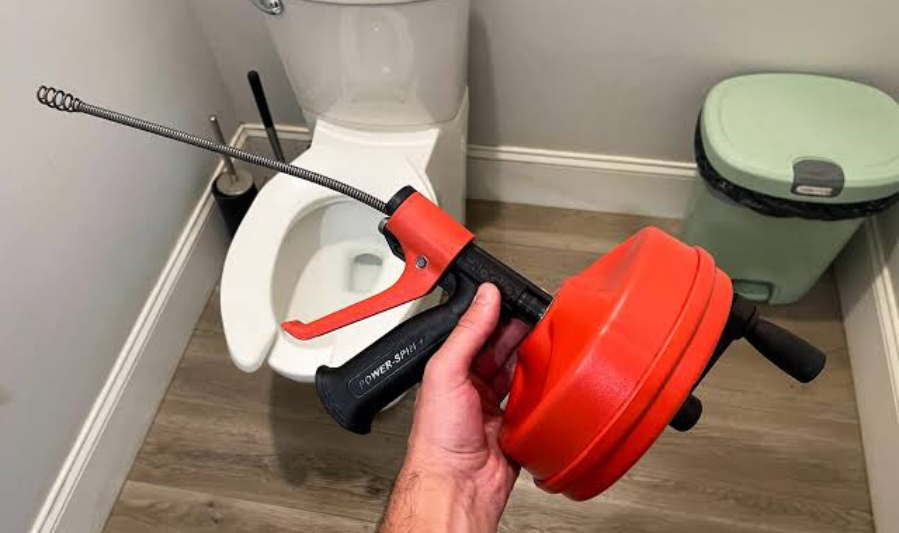
A drain snake is a plumbing tool designed to remove clogs and obstructions from household drainpipes. It typically consists of a long, flexible cable with a handle or rotating mechanism and a tip designed to break apart blockages or retrieve trapped debris. Drain snakes are commonly used to clear clogged kitchen sinks, bathroom sinks, showers, bathtubs, and other household drains.
Unlike chemical drain cleaners, a drain snake physically removes or loosens the material causing the blockage. It is a practical option for dealing with common clogs caused by hair, soap buildup, food particles, and other debris. Depending on the type and size, a drain snake can handle anything from minor surface-level blockages to deeper clogs inside accessible drainpipes.
How Does a Drain Snake Work?
A drain snake works by extending a flexible cable into a clogged drain until it reaches the obstruction. The user then rotates, pushes, or maneuvers the cable to engage with the blockage. Depending on the design, the tip may break up the clog, hook onto debris, or retrieve material so it can be removed from the pipe.
Most manual drain snakes follow these basic steps:
- Insert the cable: Feed the flexible cable carefully into the drain opening or an appropriate access point.
- Reach the blockage: Advance the cable until you feel resistance, which may indicate a clog or a bend in the pipe.
- Rotate or maneuver the cable: Turn the handle or operate the mechanism to help the tip engage with the obstruction.
- Remove the debris: Slowly withdraw the cable, bringing trapped hair or other material out when possible.
- Test the drain: Run water carefully to check whether drainage has improved.
For stubborn clogs, a powered drain snake may provide additional reach and rotating force. Always follow the manufacturer’s instructions, avoid forcing the cable, and use extra care with older or delicate plumbing.
Difference Between a Drain Snake and a Drain Auger
The terms drain snake and drain auger are often used interchangeably because both tools are designed to clear drain blockages. However, the terminology can vary depending on the manufacturer and the tool’s design.
Drain snake: This term commonly describes a flexible cable tool used to remove hair, soap buildup, and other obstructions from household drains. Many basic models are manually operated and are suitable for minor to moderate clogs.
Drain auger: An auger generally refers to a tool with a cable and a specialized cutting, grabbing, or boring head designed to engage with blockages. Some augers are manually operated, while others use a motor to rotate the cable. Toilet augers and larger drain aug
Types of Drain Snakes for Home Use
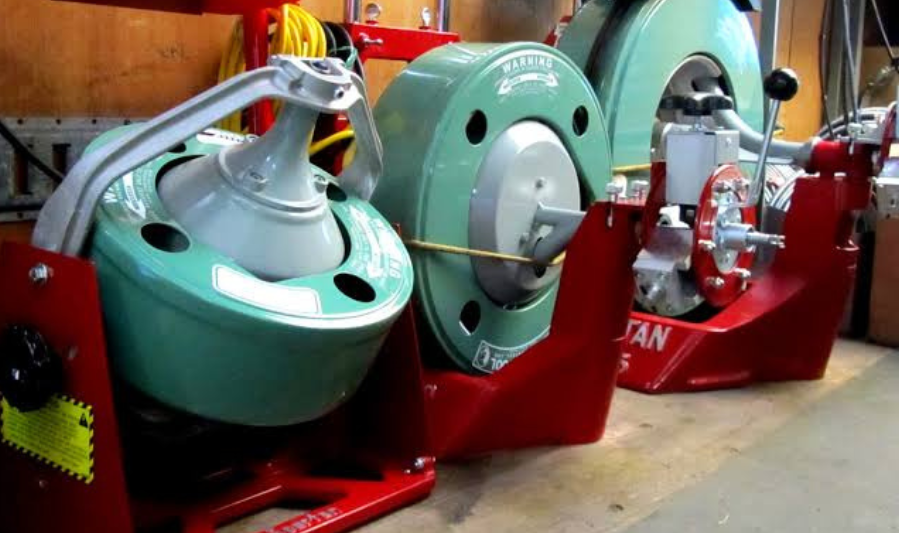
Drain snakes come in several designs, each suited to different types of clogs and plumbing applications. Some are simple, manually operated tools for removing hair and debris from bathroom drains, while others use a crank or electric motor to clear deeper and more stubborn blockages. Understanding the different types of drain snakes can help you choose the right tool for your household plumbing needs.
3.1 Manual Drain Snake
A manual drain snake is a simple, flexible tool designed to remove common clogs from household drains. It typically consists of a long cable with a handle and a tip that catches or breaks apart debris inside the pipe.
Manual drain snakes are useful for clearing bathroom sinks, shower drains, and bathtubs clogged with hair, soap residue, and other small obstructions. They are generally affordable, lightweight, and easy to store, making them a practical choice for routine home maintenance.
To use one, insert the cable into the drain, carefully guide it toward the blockage, and rotate or maneuver it to collect the debris. Then slowly pull the cable out and remove the trapped material. Manual models are best suited to minor or moderately difficult clogs rather than extensive blockages deep inside a plumbing system.
3.2 Hand-Crank Drain Auger
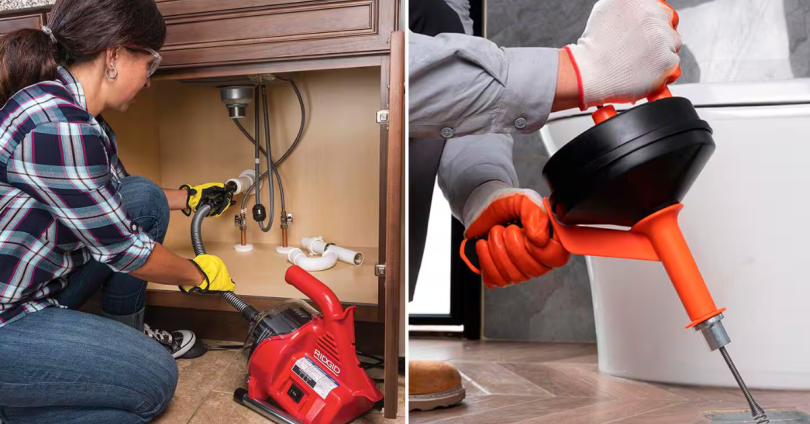
A hand-crank drain auger is a manually operated plumbing tool that uses a rotating handle to turn a flexible cable inside a drainpipe. The rotating cable helps the tip engage with stubborn blockages, allowing users to loosen, break apart, or retrieve debris.
This type of drain snake is useful for kitchen sinks, bathroom drains, and other accessible household pipes where a basic manual snake may not provide enough control. The crank mechanism makes it easier to rotate the cable without twisting it directly by hand.
Hand-crank augers are available in different cable lengths and thicknesses. Choose a model suitable for your drain size and the location of the clog. Avoid forcing the cable through resistance, as this can damage the tool or plumbing.
3.3 Electric Drain Snake
An electric drain snake uses a motor to rotate its cable, helping clear tougher blockages with less manual effort. Depending on the model, it may feature a foot pedal, variable-speed control, or a powered cable-feed mechanism.
Electric drain snakes are often used for stubborn clogs caused by accumulated grease, hair, soap residue, and other debris in longer drain lines. Some compact models are suitable for homeowners, while larger machines are intended for professional plumbing work.
Although electric models can save time and physical effort, they usually cost more than manual tools and require careful handling. Wear appropriate eye protection and follow the manufacturer’s safety instructions. Using an incorrectly sized cable or excessive force can damage pipes, especially older or fragile plumbing.
3.4 Hair Removal Drain Snake
A hair removal drain snake is a small, specialized tool designed to pull hair and other lightweight debris from bathroom drains. It commonly features a narrow plastic or metal shaft with barbs, hooks, or a gripping tip that catches hair as the tool is withdrawn.
This type is especially useful for shower drains, bathtub drains, and bathroom sinks where hair combines with soap residue to form stubborn clogs. Many models are inexpensive, disposable, or reusable, making them convenient for regular household maintenance.
Hair removal snakes work best when the blockage is relatively close to the drain opening. They are not usually suitable for deep obstructions, large solid objects, or extensive buildup inside the plumbing system. Remove the collected debris carefully and clean reusable tools after use.
3.5 Toilet Auger
A toilet auger is a specialized drain-clearing tool designed specifically for toilets. It typically features a relatively short cable housed within a protective tube or sleeve, along with a curved section that helps guide the cable through the toilet’s trap.
The protective design helps reduce the risk of scratching the porcelain while the cable works through a blockage. Toilet augers can help remove obstructions caused by excessive toilet paper and other materials that have become lodged in the toilet trap.
Unlike a general-purpose drain snake, a toilet auger is shaped to navigate the toilet’s internal passage. It is an appropriate choice for many toilet clogs, but it should not be used to force unsuitable objects through the drain. If the toilet remains blocked after careful use, or multiple fixtures are backing up, the problem may require professional attention.
3.6 Drum Auger
A drum auger is a drain snake with a flexible cable stored inside a cylindrical drum or housing. The drum helps contain the cable, making the tool easier to handle, transport, and store. Depending on the model, the cable may be operated using a hand crank or a powered mechanism.
Drum augers are available in sizes suitable for different household drains. Smaller versions can help clear sink and bathtub clogs, while larger models may be designed for longer drain lines and tougher obstructions.
One of the main advantages of a drum auger is its organized cable storage, which can reduce tangling and make operation more convenient. However, the cable diameter, length, and head design must match the plumbing application. Check the manufacturer’s recommendations before use, and avoid using a standard drum auger in a toilet unless it is specifically designed for that purpose.
Choosing the right drain snake depends on the type of fixture, the location and severity of the clog, and how often you expect to use the tool. A hair removal snake is often enough for a simple shower clog, while a hand-crank or drum auger may be more appropriate for deeper blockages. For recurring or severe clogs, professional drain cleaning may be the safest and most effective solution.
Best Drain Snake for Home: Top Picks for Different Needs
Choosing the best drain snake for home use depends on the type of drain, the severity of the clog, and how frequently you need to clear blockages. A simple manual drain snake may be enough for hair and soap buildup in a bathroom sink, while a drum auger or electric drain snake can be more effective for deeper, stubborn clogs. Selecting the right tool helps you clear blockages efficiently, reduce plumbing expenses, and avoid unnecessary damage to pipes and fixtures.
4.1 Best Overall Drain Snake
The best overall drain snake for home use offers a good balance of versatility, durability, ease of use, and price. A hand-crank drain auger with a flexible cable is a practical option because it can handle many common household clogs without requiring electricity or complicated setup.
Look for a model with sufficient cable length, a durable construction, a comfortable handle, and a cable diameter suitable for your drains. A drum-style design can also make storage easier and help keep the cable organized.
This type of drain snake is a good choice for homeowners who want one dependable tool for occasional maintenance. However, no single model is ideal for every drain, so choose one that matches your most common plumbing problems.
4.2 Best Budget-Friendly Drain Snake
A budget-friendly drain snake is ideal for homeowners who want to clear minor clogs without spending much on specialized equipment. Basic plastic hair-removal tools and short manual drain snakes are usually practical choices for simple blockages near the drain opening.
These tools can help remove hair, soap residue, and lightweight debris from bathroom sinks, showers, and bathtubs. They are generally compact, easy to store, and require little maintenance.
When choosing an affordable option, consider the tool’s durability, reach, and compatibility with your drain. A low-cost hair-removal tool may be sufficient for a minor bathroom clog, but a reusable hand-crank model may offer better long-term value if you regularly deal with different types of blockages.
4.3 Best Drain Snake for Bathroom Sinks
Bathroom sinks frequently become clogged with hair, toothpaste residue, soap buildup, and other debris. A small manual drain snake or hair-removal tool is often the best starting point for these blockages.
Choose a narrow, flexible tool that can pass through the drain opening and reach the obstruction without damaging the fixture. For deeper clogs, a compact hand-crank drain auger may provide additional reach and control.
Before using a drain snake, check whether the sink has a pop-up stopper that needs to be removed for access. Work slowly and avoid forcing the cable through resistance, especially in older plumbing systems.
4.4 Best Drain Snake for Shower and Bathtub Clogs
Shower and bathtub drains commonly become clogged with hair, soap scum, and personal-care product residue. A hair-removal drain snake is often the easiest option for shallow blockages, while a longer hand-crank auger can help reach clogs farther down the drainpipe.
A flexible hair-removal tool is lightweight and simple to use, making it suitable for routine bathroom maintenance. For deeper clogs, a hand-crank model such as the RIDGID Power Spin+ offers greater reach and control. <Cite refs={[“turn631515search0″,”turn631515search8”]}/>
Choose a tool that fits your drain opening and can navigate the pipe without excessive force. If the bathtub has a delicate finish or a specialized drain assembly, check the manufacturer’s instructions before inserting a cable.
4.5 Best Drain Snake for Kitchen Sinks
Kitchen sink clogs often result from grease, food particles, soap residue, and other debris accumulating inside the drainpipe. A hand-crank drum auger with a suitably sized cable is a practical choice for many household kitchen drains.
Look for a durable cable, a comfortable crank handle, and enough length to reach beyond the sink’s drain trap. A drum-style design also keeps the cable organized during use and storage.
For recurring or stubborn clogs, a drill-compatible or powered drain snake may provide additional convenience. However, avoid forcing the cable through grease buildup or tight pipe bends. If the blockage repeatedly returns, the drain may need more thorough cleaning.
4.6 Best Toilet Auger for Home Use
A dedicated toilet auger is the best choice for many toilet clogs because its protective sleeve and curved guide are designed to navigate the toilet trap while helping prevent scratches to the porcelain.
The RIDGID K-6P Hybrid Toilet Auger is one option worth considering for home use. A smaller model, such as the RIDGID K-3, may also suit routine toilet blockages. Compare the cable length, protective design, and compatibility with your toilet before purchasing. <Cite refs={[“turn631515search0″,”turn631515search1”]}/>
Use a toilet-specific auger rather than a standard exposed-cable drain snake. If the blockage persists, or several drains back up at once, the problem may be farther down the plumbing system and require a professional plumber.
4.7 Best Electric Drain Snake for Tough Clogs
An electric drain snake is a useful option for homeowners who regularly deal with stubborn blockages or need to clear longer sections of drainpipe. Its motor rotates the cable, reducing manual effort and helping work through certain clogs that are difficult to clear with a hand-crank tool.
The WORX Nitro WX891L cordless drain auger and the RIDGID PowerClear are examples of powered options to compare. Consider cable length, cable diameter, feed mechanism, speed control, portability, and the types of pipes the machine is designed to service. <Cite refs={[“turn631515search0″,”turn631515search9”]}/>
Electric drain snakes generally cost more than manual models, so they may not be worthwhile for occasional minor clogs. For most households, a manual auger is a sensible starting point; a powered model is better suited to frequent use or more demanding drain-cleaning tasks.
Always follow the operating instructions, wear appropriate protective equipment, and avoid using powered equipment on plumbing that may be fragile or incompatible with the cable.
Quick Guide: Which Drain Snake Should You Choose?
| Your need | Recommended type |
|---|---|
| General household clogs | Hand-crank drain auger |
| Low-cost, occasional repairs | Manual drain snake |
| Bathroom sink hair clogs | Hair-removal snake |
| Shower and bathtub blockages | Hair snake or hand-crank auger |
| Kitchen sink clogs | Drum auger |
| Toilet blockages | Dedicated toilet auger |
| Frequent or stubborn drain clogs | Electric drain snake |
The best drain snake is the one that matches the drain, reaches the blockage, and clears it without damaging your plumbing. For most homeowners, a manual drum auger paired with a simple hair-removal tool provides a useful balance of versatility and affordability.
I can also help you write the next section on <FollowUp value=”key features to consider when buying a drain snake” query=”Write the next article section titled Key Features to Consider When Buying a Drain Snake, with useful H2 and H3 headings.”/> or <FollowUp value=”how to use a drain snake safely” query=”Write a detailed article section explaining how to use a drain snake safely at home, with H2 and H3 headings.Important Features to Consider Before Buying
Choosing the right drain snake involves more than comparing prices or selecting the longest cable available. Factors such as cable length, flexibility, operating mechanism, and pipe compatibility determine how effectively the tool can clear a clog. By evaluating these features before purchasing, you can find a drain snake that suits your household plumbing needs, offers reliable performance, and helps prevent unnecessary repair costs.
5.1 Cable Length and Diameter
Cable length and diameter are two of the most important specifications to consider when buying a drain snake. The length determines how far the tool can reach into the pipe, while the diameter affects its flexibility, strength, and suitability for different drain sizes.
For many household sink, shower, and bathtub clogs, a cable around 15 to 25 feet long may be sufficient. Deeper blockages can require a longer cable, but a longer model is not automatically better for every application.
Cable diameter also matters. A thinner cable can navigate tight bends in smaller fixture drains, while a thicker cable generally provides greater stiffness for larger drain lines. The correct size depends on the pipe, the machine, and the manufacturer’s specifications. <Cite refs={[“turn652037search0″,”turn652037search1”]}/>
Before purchasing, consider where clogs occur most often in your home and choose a cable long enough to reach them without being unnecessarily difficult to handle.
5.2 Cable Flexibility and Durability
A drain snake should be flexible enough to navigate pipe bends while remaining durable enough to withstand repeated use. A cable that is too stiff may struggle to pass through tight plumbing traps, while one that is too flexible for the application may kink or fail to engage with a stubborn blockage.
Look for a cable made from durable, corrosion-resistant material and designed for the intended drain size. Some models use reinforced or inner-core cable construction to improve strength and resistance to kinking.
The quality of the cable and its connection to the handle or drum can also affect the tool’s lifespan. If you expect to clear clogs regularly, investing in a sturdy, reusable model may provide better long-term value than purchasing disposable tools repeatedly.
5.3 Manual vs. Electric Operation
Drain snakes are available in manual and electric designs, and each offers different advantages depending on the job.
Manual drain snakes use a hand-operated handle or crank to move the cable. They are generally affordable, portable, and suitable for occasional household clogs, including hair and soap buildup in bathroom drains.
Electric drain snakes use a motor to rotate the cable, reducing the physical effort required to clear certain stubborn blockages. They can be useful for frequent maintenance or longer drain lines, but they typically cost more and require additional care during operation.
For most homeowners dealing with occasional clogs, a manual drain snake is a sensible starting point. An electric model may be worthwhile if you frequently encounter difficult blockages and are comfortable following the manufacturer’s operating and safety instructions.
5.4 Drain and Pipe Compatibility
Compatibility is essential because different drains require different tool designs, cable sizes, and levels of flexibility. A drain snake suitable for a bathroom sink may not be appropriate for a larger drain line or a toilet.
Before purchasing, identify the fixture you need to clear and check the manufacturer’s recommended pipe-size range. Also consider whether the drain has tight bends, a removable stopper, or a specialized fitting that affects access.
For example, a narrow hair-removal snake is often suitable for a shower drain, while a dedicated toilet auger is designed to navigate a toilet’s trap with a protective guide. Using the wrong tool can damage the fixture, scratch porcelain, or cause the cable to become stuck.
Always match the cable and attachments to the intended plumbing application rather than assuming that one drain snake will work safely on every drain. <Cite refs={[“turn652037search5″,”turn652037search6”]}/>
5.5 Handle Design and Grip
A comfortable handle makes a drain snake easier to control, especially when a clog requires repeated turning or maneuvering. Look for an ergonomic grip that provides a secure hold and helps reduce hand fatigue during use.
For hand-crank models, the handle should rotate smoothly and provide enough leverage to operate the cable without excessive force. Drum augers may also include a locking mechanism or cable-feed control that helps manage the cable during operation.
If you are considering an electric drain snake, check the position of its controls, the stability of its housing, and whether the design allows you to maintain a secure grip while following the manufacturer’s instructions.
A well-designed handle improves control and convenience, but it should never be used to force a cable through a blockage that will not yield.
5.6 Ease of Cleaning and Storage
Drain snakes come into contact with hair, grease, soap residue, and other unpleasant debris, so cleaning and storage should be part of your buying decision.
A model with a drum or enclosed housing helps keep the cable organized and reduces tangling during storage. Removable or replaceable cables can also make maintenance easier, depending on the design.
After each use, remove debris carefully, clean the tool according to the manufacturer’s instructions, and dry the cable before storing it if required. Wear appropriate protective gloves and eye protection when handling contaminated material.
Consider the tool’s overall size, weight, and storage requirements, particularly if you have limited space. A compact manual snake may be ideal for an apartment, while a larger drum auger may be more practical for a household that frequently handles different drain problems.
5.7 Price and Warranty
Price is another important factor when choosing a drain snake, but the cheapest tool is not always the most economical option. A basic hair-removal snake may be sufficient for occasional minor clogs, whereas a reusable hand-crank auger may offer better value for regular maintenance.
When comparing models, consider cable quality, reach, ease of operation, replacement-part availability, and the types of blockages the tool can handle. Electric drain snakes usually cost more, so make sure their additional power and convenience justify the expense for your needs.
A warranty can provide extra reassurance if the product develops a covered manufacturing defect. Check the warranty period, exclusions, and availability of replacement cables or parts before buying.
Ultimately, the best drain snake is one that matches your plumbing, provides dependable performance, and fits your budget without paying for features you are unlikely to use.
Common Household Clogs a Drain Snake Can Remove
Clogged drains are a common household issue that can cause slow drainage, unpleasant odors, and standing water in sinks, showers, and bathtubs. These blockages often develop when hair, soap residue, food particles, and other debris accumulate inside pipes. A drain snake is a practical tool for removing many of these obstructions without relying on chemical drain cleaners.
However, the effectiveness of a drain snake depends on the type of blockage, its location, and the tool being used. Understanding which clogs a drain snake can remove helps you determine when a DIY solution is appropriate and when professional plumbing assistance may be necessary.
1. Hair Buildup in Bathroom Drains
Hair buildup is one of the most common causes of clogged bathroom sinks, showers, and bathtubs. Loose hair can collect around drain openings and combine with soap residue, creating a tangled mass that restricts water flow.
A manual drain snake or specialized hair-removal tool is often effective for these blockages. Its hooked or barbed tip catches the hair, allowing you to pull it out of the drain. For deeper obstructions, a small hand-crank drain auger may provide additional reach.
To prevent recurring clogs, remove visible hair from drain covers regularly and clean the drain opening as needed. Avoid forcing the tool through resistance, as this may damage the drain assembly.
2. Soap Residue in Showers and Bathtubs
Soap residue can accumulate inside shower and bathtub drains, especially when it combines with hair, body oils, and mineral deposits from hard water. Over time, this material can restrict water flow and cause water to drain more slowly.
A drain snake can help remove hair and loosen or retrieve some of the debris contributing to the blockage. A flexible manual snake is usually suitable for accessible clogs, while a hand-crank auger may help reach deeper obstructions.
Because soap scum and mineral deposits can adhere firmly to pipe surfaces, a drain snake may not remove all the buildup. Regular drain cleaning and a suitable drain strainer can help reduce future blockages.
3. Food Debris in Kitchen Sinks
Kitchen sink drains can become clogged when food particles, grease, and other kitchen waste accumulate in the drainpipe. Grease is particularly problematic because it can coat pipe walls and trap additional debris, gradually restricting water flow.
A hand-crank drain auger may help remove food particles and other obstructions from an accessible kitchen drain. However, grease-heavy blockages may require a different cleaning approach because a snake may simply pass through the material without removing the coating.
Before using a drain snake, follow the manufacturer’s instructions for your sink and drain assembly. If your sink has a garbage disposal, turn off its power before inspecting or working near the drain opening. Never put your hands into a disposal, even when it appears to be switched off.
Avoid pouring grease or cooking oil down the sink. Let fats cool and dispose of them appropriately to help prevent future clogs.
4. Certain Blockages in Toilet Drains
Toilet drains can become blocked by excessive toilet paper, waste, or unsuitable items that have been flushed. These obstructions may cause the water level to rise, flushing to become ineffective, or the toilet to drain slowly.
A dedicated toilet auger is generally the best tool for clearing many toilet clogs. Its curved guide and protective sleeve are designed to navigate the toilet trap while helping prevent scratches to the porcelain.
A standard drain snake is not always appropriate for toilets because its exposed cable can damage the finish or become stuck in the trap. Use a toilet-specific tool and follow its operating instructions carefully.
If the toilet continues to clog, multiple fixtures are backing up, or wastewater is coming up through other drains, stop using the affected fixtures and contact a plumber. These symptoms may indicate a deeper blockage in the drainage system.
5. Minor Buildup in Accessible Household Drain Lines
Some household clogs develop farther inside accessible drain lines as hair, soap residue, food particles, and other debris accumulate over time. When the obstruction is within the tool’s reach, a suitably sized manual or powered drain snake may help break it apart or retrieve the material.
A hand-crank drum auger can be useful for deeper clogs in compatible sink and bathtub drain lines. Electric drain snakes may be appropriate for tougher blockages, provided the machine and cable are designed for the pipe size and application.
However, not every blockage can be cleared with a drain snake. Tree roots, collapsed pipes, heavy mineral scaling, and objects lodged deep in the plumbing system may require specialized equipment or professional repair.
If a clog repeatedly returns despite careful clearing, consider having the drain inspected to identify the underlying cause.
When Is a Drain Snake Not Enough?
A drain snake works best when a blockage can be reached and physically loosened or removed. It may be ineffective when the problem involves damaged pipes, extensive grease buildup, tree roots, or a blockage beyond the tool’s reach.
Stop if the cable becomes stuck, meets unusual resistance, or appears to be damaging the pipe. Avoid combining chemical drain cleaners with mechanical drain-cleaning work, as residual chemicals can splash and cause serious injuries. Follow product safety instructions and seek professional help when the blockage persists.
Choosing the correct drain snake for the fixture and type of clog can make household drain maintenance easier, reduce unnecessary expenses, and help keep your plumbing flowing properly.
You may also like to read these posts:
Best Toilet Repair Kit: Top Choices for Easy and Reliable Toilet Repairs
Best Toilet Repair Kit: Top Picks for Easy and Reliable Toilet Repairs
How to Choose the Right Drain Snake for Your Home
Choosing the right drain snake can make clearing household clogs easier, safer, and more cost-effective. Different tools are designed for different plumbing fixtures, blockage depths, and pipe sizes. A small manual snake may be sufficient for hair near a bathroom drain, while a longer hand-crank auger or electric model may be better suited to deeper, stubborn clogs.
Before purchasing a drain snake, consider where the blockage is located, how far into the pipe it may extend, and the type of plumbing you have. The following factors will help you select a suitable tool for your household needs.
1. Identify the Location of the Clog
Start by determining which fixture is experiencing the blockage. The location can help you narrow down the type of drain snake you need.
- Bathroom sinks: A small manual drain snake or hair-removal tool is often sufficient for clogs caused by hair, toothpaste, and soap residue.
- Showers and bathtubs: A flexible hair-removal snake works well for many blockages near the drain opening, while a hand-crank auger can help reach deeper clogs.
- Kitchen sinks: A hand-crank drum auger may be useful for clearing food particles and other debris in compatible drain lines.
- Toilets: A dedicated toilet auger is generally the safest choice for clearing common toilet blockages.
- Larger household drain lines: A longer auger may be necessary, depending on the pipe size and the location of the obstruction.
If several fixtures are draining slowly or backing up simultaneously, the blockage may be in a shared drain line rather than an individual fixture. In this situation, professional assessment may be more appropriate than using a small household drain snake.
2. Determine How Deep the Blockage May Be
The depth of the clog affects how much cable length you need and which type of drain snake is most suitable. Blockages near the drain opening are generally easier to reach than obstructions farther inside the plumbing system.
For shallow clogs, a short manual snake can often remove hair and lightweight debris without complicated equipment. For deeper blockages, a longer hand-crank auger may provide the reach needed to engage with the obstruction.
Consider the following when estimating the depth:
- Near the drain opening: Use a short hair-removal tool or compact manual snake.
- Beyond the fixture trap: Consider a longer manual or hand-crank auger designed for that drain.
- Farther inside the drain line: A longer auger or professional drain-cleaning equipment may be necessary.
Remember that resistance does not always mean you have reached a clog. The cable may be encountering a pipe bend or fitting. Feed the cable slowly, and never force it through an obstruction. If you cannot determine the blockage location or the cable repeatedly becomes stuck, consider contacting a plumber.
3. Choose a Suitable Cable Size and Length
Cable diameter and length are important because they affect the tool’s reach, flexibility, and ability to navigate the pipe. A cable that is too thick may not pass through tight bends, while one that is too thin may lack the stiffness required for certain blockages.
For many routine household clogs, a compact snake or a hand-crank auger with a cable around 15 to 25 feet long may be sufficient. However, the appropriate length depends on the fixture and the distance to the obstruction.
When comparing cable specifications, consider these factors:
- Cable length: Choose enough reach to access the expected blockage without buying an unnecessarily long or difficult-to-manage tool.
- Cable diameter: Match the cable to the pipe size and the manufacturer’s recommendations.
- Cable flexibility: Ensure it can navigate the bends in the intended drain.
- Cable strength: Choose a durable cable suitable for the type of clog you expect to encounter.
Always check the manufacturer’s recommended pipe-size range before buying. A longer or thicker cable is not automatically more effective, particularly in narrow household drains.
4. Check the Type and Condition of Your Pipes
Your plumbing material and condition should influence your choice of drain snake. Different pipes have different levels of resistance to abrasion, pressure, and mechanical contact.
PVC and other plastic drainpipes can be vulnerable to damage if a cable is forced through tight bends. Older metal pipes may have corrosion, rough internal surfaces, or weakened sections that increase the risk of snagging or damage. Specialized drain assemblies may also require a particular tool design.
Before using a drain snake, consider the following:
- PVC or plastic pipes: Use a compatible cable and avoid excessive force, especially around bends and fittings.
- Older metal pipes: Exercise caution if the pipes show signs of corrosion or deterioration.
- Toilet plumbing: Use a toilet-specific auger with a protective guide rather than a standard exposed-cable snake.
- Fragile or damaged plumbing: Consider professional assistance if you suspect cracks, leaks, or structural damage.
If you are unsure about the pipe material or its condition, check the plumbing documentation or ask a qualified plumber before using a powered drain snake. The goal is to clear the clog without creating a more expensive plumbing problem.
5. Consider Your Budget and Experience Level
Your budget and comfort with plumbing tools can help determine whether a manual, hand-crank, or electric drain snake is the best choice.
A basic manual snake is usually an affordable option for occasional clogs, while a hand-crank auger offers greater reach and control for more demanding household maintenance. Electric drain snakes can reduce physical effort but generally cost more and require careful operation.
Consider these options:
- For beginners: Choose a simple manual snake or hair-removal tool with clear instructions.
- For regular household maintenance: Consider a reusable hand-crank or drum auger.
- For frequent, stubborn clogs: An electric drain snake may be worth considering if you understand how to operate it safely.
- For severe or recurring blockages: Professional drain cleaning may be more economical than purchasing specialized equipment you will rarely use.
When comparing products, look beyond the initial price. Cable durability, replacement-part availability, storage requirements, warranty coverage, and ease of cleaning can all affect long-term value.
Final Tips for Choosing the Right Drain Snake
The best drain snake is one that matches your fixture, reaches the blockage, and is appropriate for your plumbing system. Identify the location of the clog first, choose a suitable cable size and length, and select a tool you can operate confidently.
For most households, a basic manual snake is a sensible starting point, while a hand-crank auger offers additional versatility. A dedicated toilet auger is best for many toilet clogs, and powered equipment is better reserved for appropriate applications where extra reach or mechanical assistance is needed.
Using the right tool can save time, reduce plumbing expenses, and help prevent avoidable damage. If a clog persists, keeps returning, or affects multiple fixtures, have the drain inspected to identify the underlying cause.
FAQS:
What is the best drain snake for home use?
The best drain snake depends on the type of clog. A manual drain snake works well for minor sink and shower clogs, while a toilet auger is ideal for toilet blockages. Electric drain snakes can help tackle tougher clogs.
Can a drain snake damage pipes?
Yes, improper use or an unsuitable drain snake can damage pipes or plumbing fixtures. Choose the correct size, follow the manufacturer’s instructions, and avoid forcing the cable through a blockage.
Is a manual or electric drain snake better?
A manual drain snake is affordable, easy to store, and suitable for occasional clogs. An electric drain snake requires less physical effort and may be more effective for stubborn blockages when used correctly.
Can I use a drain snake in a toilet?
Yes, but you should use a dedicated toilet auger with a protective sleeve to help prevent scratches on the porcelain surface. Avoid using ordinary exposed metal drain snakes in toilets.
How do I choose the right drain snake for my home?
Consider the location of the clog, cable length, cable diameter, flexibility, and pipe compatibility. Choose a tool designed for your specific drain to ensure effective and safe clog removal.
Conclusion
Choosing the best drain snake for home use can help you remove stubborn clogs, improve drainage, and save money on plumbing services. Consider the type of drain, clog severity, cable length, and ease of use before buying. With the right tool and proper handling, you can keep your household drains clean and functioning efficiently.