
Introduction
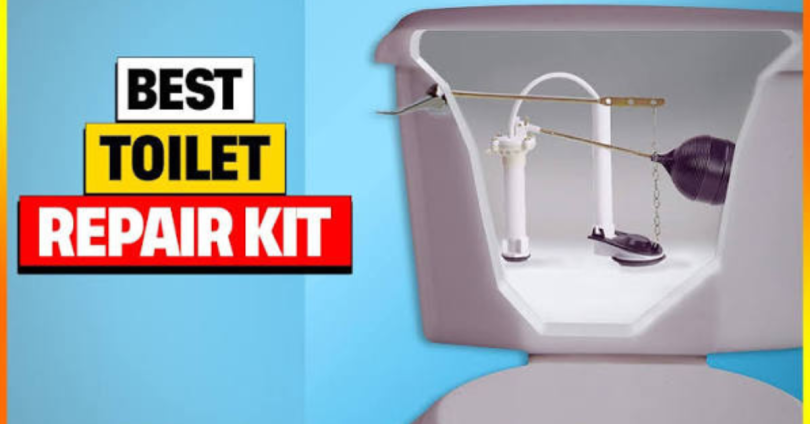
Toilet problems, such as a constantly running toilet, water leaks, weak flushing, and a faulty flush handle, are common household issues that can waste water and increase utility bills. Although these problems may seem complicated, many can be fixed with the right tools and replacement parts. A toilet repair kit provides a convenient and cost-effective solution for repairing common toilet components without replacing the entire toilet.
Benefits of Using a Toilet Repair Kit
A toilet repair kit typically includes essential components, such as a fill valve, flush valve, flapper, and other replacement parts, depending on the kit. It can help simplify repairs, reduce plumbing costs, prevent water waste, and extend the life of your toilet. With basic tools and clear instructions, many homeowners can complete minor toilet repairs themselves.
What You Will Learn in This Guide
In this guide, you will learn about common toilet problems, how to identify their causes, and how a toilet repair kit can help resolve them. We will also explain how to choose the right repair kit, replace faulty components, and maintain your toilet to prevent future issues. By the end, you will have a better understanding of how to handle common toilet repairs safely and efficiently.
What Is a Toilet Repair Kit?
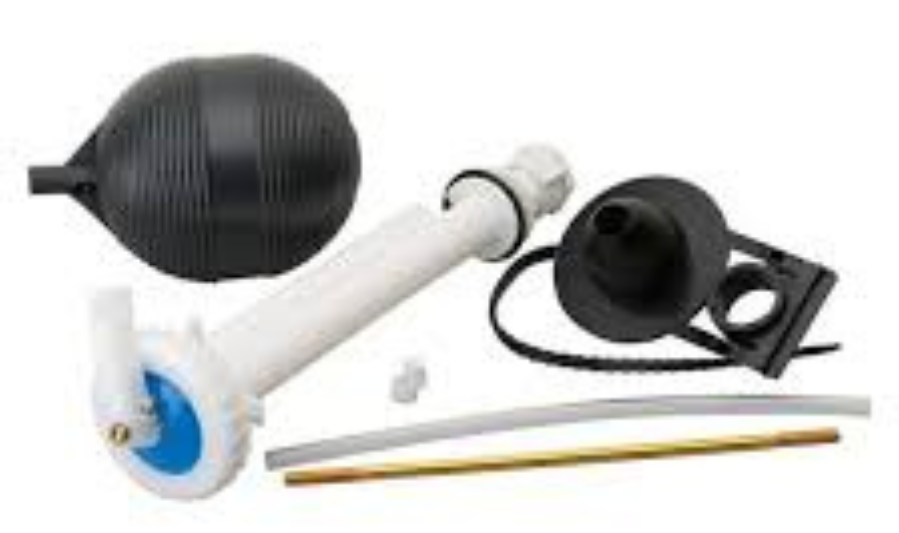
A toilet repair kit is a collection of replacement parts and essential components designed to fix common toilet problems without replacing the entire toilet. It typically includes parts for the toilet tank, flushing mechanism, and water supply system. Using a toilet repair kit can help homeowners resolve issues such as a running toilet, water leaks, weak flushing, and faulty filling mechanisms quickly and affordably.
Common Components Included in a Toilet Repair Kit
The components included in a toilet repair kit vary depending on the type and brand, but most kits contain some of the following parts:
- Fill Valve: Controls the flow of water into the toilet tank after each flush.
- Flush Valve: Allows water to flow from the tank into the toilet bowl during flushing.
- Rubber Flapper: Creates a seal at the bottom of the tank to prevent water from leaking into the bowl.
- Tank-to-Bowl Gasket: Forms a seal between the toilet tank and bowl to help prevent leaks.
- Toilet Handle and Chain: Connect the flush handle to the flapper or flushing mechanism.
- Bolts, Nuts, and Washers: Secure the tank to the bowl and help maintain a watertight connection.
- Refill Tube: Directs water into the overflow tube to refill the toilet bowl after flushing.
Not every kit includes all these components, so it is important to check the contents and confirm compatibility with your toilet model before purchasing.
How a Toilet Repair Kit Helps Fix Toilet Problems
A toilet repair kit provides the replacement parts needed to address several common toilet issues. For example, replacing a worn flapper can stop water from continuously leaking into the bowl, while installing a new fill valve can resolve problems with slow tank refilling or continuous water flow. Replacing damaged gaskets and washers can also help prevent leaks around the tank.
Using a repair kit can save money on plumbing services, reduce water waste, and extend the life of your existing toilet. Many repairs require only basic tools and can be completed by homeowners with some DIY experience. However, problems involving cracked porcelain, damaged plumbing connections, or persistent leaks may require professional assistance.
Types of Toilet Repair Kits
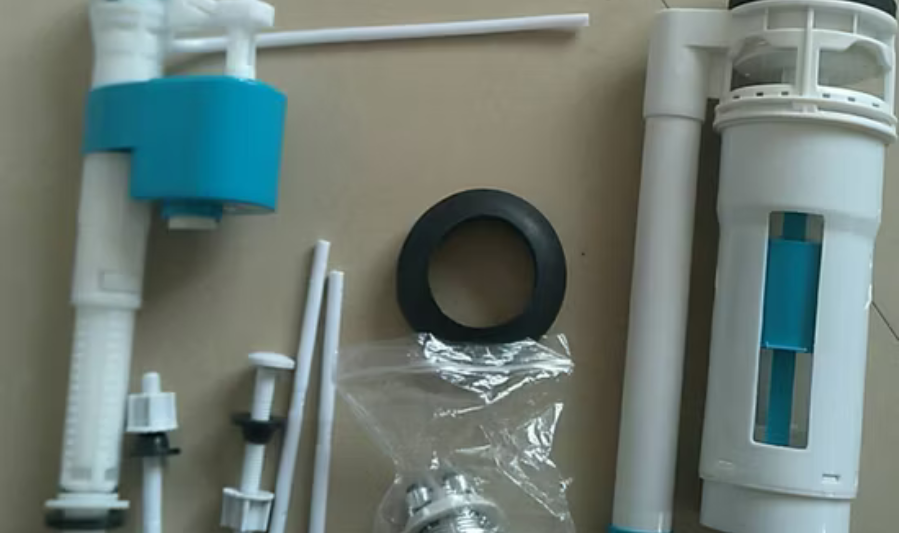
Toilet repair kits come in different types, each designed to fix specific toilet problems. Some kits include all the essential parts needed for a complete tank repair, while others focus on individual components, such as the fill valve, flapper, or flush valve. Understanding these options helps homeowners choose the right kit for their toilet and avoid unnecessary replacement costs.
3.1 Complete Toilet Repair Kit
A complete toilet repair kit contains several essential components for repairing or upgrading the toilet tank. Depending on the manufacturer, it may include a fill valve, flush valve, flapper, tank-to-bowl gasket, mounting bolts, washers, and other hardware.
This type of kit is ideal for toilets with multiple worn or damaged components. Instead of purchasing individual replacement parts, homeowners can replace several components at once to improve flushing performance, prevent leaks, and reduce water waste. Before buying, check that the kit is compatible with your toilet model and tank design.
3.2 Toilet Fill Valve Repair Kit
A toilet fill valve repair kit is designed to fix problems related to the water entering and refilling the toilet tank. The fill valve controls the water supply after each flush and helps maintain the correct water level inside the tank.
Common signs of a faulty fill valve include continuous water running, slow tank refilling, unusual hissing noises, and inconsistent water levels. Depending on the design, a repair kit may contain replacement seals, a diaphragm, or other valve components. Some problems require replacing the entire fill valve rather than repairing individual parts.
Installing the correct fill valve repair kit can restore proper tank filling, reduce water waste, and help maintain reliable toilet performance.
3.3 Toilet Flapper Repair Kit
A toilet flapper repair kit helps resolve leaks caused by a worn, damaged, or poorly sealing flapper. The flapper is a rubber or silicone component located at the bottom of the toilet tank. It lifts when the toilet is flushed, allowing water to enter the bowl, and then closes to refill the tank.
Over time, the flapper can deteriorate due to mineral deposits, chemical cleaners, or normal wear. This may cause water to leak continuously from the tank into the bowl, leading to unnecessary water consumption.
A flapper repair kit typically includes a replacement flapper and may contain a chain, clips, or other installation accessories. Replacing a faulty flapper is generally an inexpensive and straightforward repair that can improve flushing efficiency and prevent water loss.
3.4 Toilet Flush Valve Repair Kit
A toilet flush valve repair kit is designed to address problems with the mechanism that releases water from the tank into the toilet bowl during flushing. The flush valve works with the flapper or another sealing mechanism to control the release of water.
Common signs of flush valve problems include weak flushing, water leaking from the tank into the bowl, and difficulty maintaining a proper seal. Depending on the kit, replacement parts may include a flush valve seal, valve assembly, gasket, or related hardware.
Replacing damaged flush valve components can restore proper water flow and improve flushing performance. However, the appropriate repair depends on the toilet’s flush valve design, so it is important to check the existing mechanism before purchasing a kit.
3.5 Toilet Tank-to-Bowl Repair Kit
A toilet tank-to-bowl repair kit is used to fix leaks around the connection between the toilet tank and the bowl. This connection typically includes a large rubber gasket, mounting bolts, washers, and nuts that secure the tank and create a watertight seal.
Over time, the gasket can deteriorate, while bolts and washers may corrode or loosen. These issues can cause water to leak onto the floor when the toilet is flushed or around the tank’s mounting points.
A tank-to-bowl repair kit typically provides replacement gaskets and mounting hardware to restore a secure connection and prevent leaks. During installation, the tank should be handled carefully to avoid cracking the porcelain. If the tank or bowl itself is cracked, replacing the sealing components will not solve the underlying problem.
Best Toilet Repair Kit: Top Features to Consider
Choosing the best toilet repair kit depends on your toilet’s design, the type of problem you need to fix, and your budget. A good repair kit should contain durable components, be easy to install, and provide reliable performance over time. By comparing a few essential features, you can select a kit that fixes common toilet problems, reduces water waste, and helps prevent future repairs.
4.1 Compatibility With Your Toilet
Compatibility is one of the most important factors when choosing a toilet repair kit. Not every kit fits every toilet, as models can differ in tank design, valve size, flush mechanism, and mounting hardware. Before purchasing, check your toilet’s make and model, the dimensions of the existing components, and the manufacturer’s compatibility recommendations.
Some kits are designed for specific toilet brands, while universal kits work with many standard toilet models. However, universal compatibility is not guaranteed. Choosing the correct kit helps ensure proper installation, prevents leaks, and reduces the risk of buying replacement parts that do not fit.
4.2 Quality of Materials
The quality of the materials affects a toilet repair kit’s durability, reliability, and resistance to leaks. Look for components made from corrosion-resistant materials, durable plastics, and high-quality rubber or silicone seals. These materials can withstand regular contact with water and help maintain a reliable seal over time.
Metal bolts and mounting hardware should resist corrosion, while rubber gaskets and flappers should remain flexible enough to prevent water from escaping. Choosing a well-made repair kit may cost more initially, but it can reduce the need for frequent replacements and help extend the life of your toilet components.
4.3 Ease of Installation
An easy-to-install toilet repair kit can save time and reduce installation costs. If you plan to complete the repair yourself, look for a kit with clear instructions, compatible replacement parts, and the necessary mounting hardware. Some kits also include installation guides or diagrams that make the process easier for beginners.
Many basic repairs, such as replacing a flapper or fill valve, can be completed with common household tools. Before starting, turn off the water supply and empty the toilet tank. Always follow the manufacturer’s instructions, and seek professional help if the repair involves damaged plumbing connections or requires specialized work.
4.4 Water-Saving Performance
Water-saving performance is another important feature to consider when buying a toilet repair kit. Faulty flappers, fill valves, and flush mechanisms can allow water to run continuously or leak from the tank into the bowl. Replacing these components can help restore normal operation and reduce unnecessary water consumption.
Look for replacement parts that provide a reliable seal, maintain the correct tank water level, and work properly with your toilet’s flushing system. Some kits include adjustable components that help optimize water levels. However, water savings depend on the original problem, the replacement parts, and your toilet’s design. A repair kit can reduce waste caused by leaks, but it will not necessarily turn an older toilet into a high-efficiency model.
4.5 Price and Warranty
Price and warranty should also influence your choice of toilet repair kit. Basic kits designed for a single component, such as a flapper or fill valve, are generally less expensive than complete repair kits containing several replacement parts. Compare the kit’s contents, material quality, compatibility, and expected durability rather than choosing based on price alone.
A warranty can provide additional peace of mind by covering certain manufacturing defects or premature component failures. Before buying, review the warranty period, coverage conditions, and replacement policy. A reasonably priced kit from a reputable manufacturer, supported by clear instructions and a reliable warranty, can offer better long-term value than the cheapest available option.
Ultimately, the best toilet repair kit is one that fits your toilet, addresses the specific problem, and provides dependable performance without unnecessary expense.
Best Toilet Repair Kit for Different Needs
The best toilet repair kit depends on the type of repair you need, your budget, and the condition of your existing toilet components. Some kits are designed for general maintenance, while others focus on specific problems, such as running toilets or leaking tanks. Understanding the differences can help you choose the right repair solution, avoid unnecessary expenses, and keep your toilet working efficiently.
5.1 Best Overall Toilet Repair Kit
The best overall toilet repair kit offers a balance of durability, compatibility, ease of installation, and value for money. A quality kit may include a fill valve, flush valve, flapper, and essential seals or mounting hardware to address several common toilet problems.
This option is suitable for homeowners who want a versatile solution for routine toilet repairs. Look for a kit with durable materials, clear installation instructions, and compatibility with your toilet model. A well-designed kit can help resolve common flushing issues, prevent leaks, and reduce the need to purchase individual replacement parts.
5.2 Best Budget-Friendly Toilet Repair Kit
A budget-friendly toilet repair kit is ideal for homeowners who want to fix a minor issue without spending money on unnecessary components. These kits typically focus on one repair, such as replacing a worn flapper, faulty seal, or damaged fill valve component.
When choosing an affordable option, compare the quality of the materials, the parts included, and the kit’s compatibility with your toilet. The lowest-priced kit may not provide the best value if its components wear out quickly or fail to create a reliable seal.
For simple problems, purchasing a single replacement component can be more economical than buying a complete repair kit. However, if several parts are worn or damaged, a larger kit may offer better overall value.
5.3 Best Complete Toilet Repair Kit
The best complete toilet repair kit is designed for situations where multiple tank components need replacement. Depending on the manufacturer, it may include a fill valve, flush valve, flapper, tank-to-bowl gasket, bolts, washers, and other installation accessories.
This type of kit is particularly useful for older toilets experiencing several issues, such as slow tank refilling, inconsistent flushing, and minor leaks. Replacing multiple worn components at once can help restore reliable operation and reduce the likelihood of repeated repairs.
Before purchasing a complete kit, check the tank dimensions, flush valve size, mounting arrangement, and manufacturer’s compatibility guidance. Not every complete kit fits every toilet, so confirming these details is essential.
5.4 Best Toilet Repair Kit for Running Toilets
A running toilet continues to use water even when it is not being flushed. This problem commonly occurs when the flapper fails to seal properly, the fill valve malfunctions, or the water level is set too high.
The best repair kit for a running toilet depends on the underlying cause. A flapper repair kit is often a suitable choice when water leaks from the tank into the bowl because of a worn or damaged seal. If the tank continues filling or makes a hissing sound, a fill valve repair kit may be more appropriate.
For toilets with several worn components, a complete repair kit may be a better option. Before replacing parts, inspect the flapper, check the water level, and make sure the fill valve shuts off correctly. Fixing the actual cause can prevent water waste and restore normal toilet operation.
5.5 Best Toilet Repair Kit for Leaking Tanks
A leaking toilet tank can waste water and potentially damage flooring or nearby surfaces. The appropriate repair kit depends on where the leak originates. Water leaking around the tank-to-bowl connection often indicates a worn gasket, loose or corroded mounting hardware, or a damaged seal.
A toilet tank-to-bowl repair kit is generally the best choice for leaks around the tank mounting bolts or the connection between the tank and bowl. These kits commonly include replacement gaskets, bolts, washers, and nuts. If water is leaking into the bowl rather than onto the floor, a faulty flapper or flush valve seal may be responsible instead.
Turn off the water supply before inspecting or repairing the toilet. Avoid overtightening tank bolts, as excessive pressure can crack porcelain. If the tank or bowl has a crack, replacing the gasket or hardware will not resolve the underlying issue.
Choosing the right repair kit starts with identifying the problem. By matching the kit to the faulty component, you can make repairs more efficiently, control costs, and help maintain a reliable, water-efficient toilet.
Common Toilet Problems a Repair Kit Can Fix
Toilets can develop several problems over time due to worn-out components, mineral deposits, loose connections, or regular use. These issues can waste water, reduce flushing performance, and increase household maintenance costs. Fortunately, many common toilet problems can be resolved with the right toilet repair kit. Identifying the cause of the problem helps you select the appropriate replacement parts and restore your toilet’s normal operation.
1. Constantly Running Toilet
A constantly running toilet continues to use water even when nobody is flushing it. This problem often occurs when the flapper cannot seal properly, the fill valve fails to shut off, or the water level is set too high.
A toilet repair kit containing a replacement flapper, fill valve, or related components can help resolve the issue. Inspect the tank first to determine which part is causing the continuous flow. Replacing the faulty component can reduce water waste and help prevent higher utility bills.
2. Leaking Toilet Tank
A leaking toilet tank can cause water to collect around the toilet’s base or drip from the tank’s mounting points. Common causes include worn tank-to-bowl gaskets, damaged washers, corroded bolts, or loose connections.
A toilet tank-to-bowl repair kit typically includes replacement gaskets and mounting hardware to restore a secure seal. Before purchasing a kit, identify the exact location of the leak. If the porcelain tank itself is cracked, a repair kit containing seals and bolts will not fix the damage, and the affected fixture may need replacement.
3. Weak or Incomplete Flushing
Weak or incomplete flushing occurs when the toilet does not remove waste effectively with a normal flush. Possible causes include a low water level in the tank, a faulty flapper that closes too soon, a malfunctioning flush valve, or blocked passages.
A toilet repair kit can help when worn or damaged tank components are responsible for the problem. Replacing the flapper, adjusting the water level, or installing a compatible flush valve can improve flushing performance. However, if the problem is caused by a clogged drain or blocked rim holes, those issues must be addressed separately.
4. Slow Tank Refilling
A toilet tank should refill after flushing and stop automatically when the correct water level is reached. If the tank takes too long to refill, the problem may involve a faulty fill valve, restricted water supply, clogged inlet screen, or partially closed shutoff valve.
A fill valve repair kit may resolve the issue if the valve contains replaceable components that have become worn or clogged. In other cases, replacing the entire fill valve may be more effective. Checking the water supply and inlet for obstructions can help determine whether a replacement part is necessary.
5. Water Leaking Into the Toilet Bowl
If water continuously trickles from the tank into the toilet bowl, the flapper or flush valve seal may be worn, damaged, or covered with mineral deposits. This type of leak may be difficult to notice because the water can flow directly into the bowl without appearing on the floor.
A flapper repair kit or flush valve repair kit can help restore a proper seal. To identify the problem, inspect the flapper for visible damage and check whether it sits evenly over the flush valve opening. Replacing a faulty seal can stop the leak and reduce unnecessary water consumption.
6. Faulty Fill Valve or Worn-Out Flapper
The fill valve and flapper are two essential components of a toilet’s flushing system. The fill valve controls the water entering the tank, while the flapper opens during flushing and closes afterward to retain water in the tank.
A faulty fill valve may cause continuous running, noisy operation, or slow refilling. A worn-out flapper can allow water to leak into the bowl or prevent the tank from holding the correct water level.
A fill valve repair kit or replacement valve can address fill-related problems, while a flapper repair kit is suitable for many sealing issues. If both components show signs of wear, a complete toilet repair kit may provide a more convenient solution.
When Should You Use a Toilet Repair Kit?
A toilet repair kit is a practical option when a problem results from worn, damaged, or malfunctioning replaceable components. Before buying one, inspect the toilet, identify the source of the issue, and confirm that the replacement parts are compatible with your model.
If the toilet has cracked porcelain, persistent drainage problems, or leaks that continue after replacing the relevant components, consider consulting a qualified plumber. Choosing the correct repair kit can help restore performance, prevent water waste, and extend the useful life of your toilet.
You may also like to read these posts:
Best Toilet Repair Kit: Top Choices for Easy and Reliable Toilet Repairs
Best Toilet Repair Kit: Top Picks for Easy and Reliable Toilet Repairs
How to Choose the Right Toilet Repair Kit
Choosing the right toilet repair kit is essential for fixing common toilet problems efficiently and avoiding unnecessary expenses. With different kits available for fill valves, flappers, flush valves, and tank-to-bowl connections, selecting the correct option depends on your toilet’s design and the specific issue you need to resolve. Following a few simple steps can help you find a suitable kit that offers reliable performance and long-lasting results.
1. Identify the Toilet Brand and Model
Start by identifying your toilet’s brand and model before purchasing a repair kit. Manufacturers often use different tank designs, valve sizes, and flushing mechanisms, so not every kit will fit every toilet.
Look for the brand name, model number, or product identification label inside the toilet tank or on the manufacturer’s documentation. If you cannot find this information, take clear photos of the tank interior and existing components to help compare compatible replacement parts.
Knowing your toilet’s specifications makes it easier to find a suitable kit and reduces the risk of purchasing parts that do not fit correctly.
2. Inspect the Faulty Components
Next, determine which toilet component needs repair or replacement. Common problems include a constantly running toilet, slow tank refilling, water leaking into the bowl, and leaks around the tank-to-bowl connection.
Inspect the fill valve, flapper, flush valve, gaskets, and mounting hardware for visible wear, cracks, corrosion, or damage. You can also observe how the toilet behaves after flushing to identify possible causes.
For example, a worn flapper may cause water to leak into the bowl, while a faulty fill valve may prevent the tank from filling or shutting off correctly. Identifying the problem first helps you choose between a single-component repair kit and a complete toilet repair kit.
3. Check the Parts Included in the Kit
Before making a purchase, review the kit’s contents to ensure it includes the components you need. Some kits contain only a replacement flapper or fill valve, while others include several tank components and installation hardware.
Depending on your repair needs, look for essential parts such as:
- Fill valve: Helps regulate water entering the toilet tank.
- Flapper: Creates a seal that prevents water from continuously entering the bowl.
- Flush valve: Controls the release of water during flushing.
- Gaskets and washers: Help prevent leaks around connections.
- Bolts and nuts: Secure the tank and associated components.
- Installation instructions: Provide guidance for fitting replacement parts correctly.
Do not assume that every complete repair kit contains all these components. Check the product description carefully and compare the included parts with the components that need replacement.
4. Compare Product Specifications
Comparing product specifications helps you select a repair kit that matches your toilet’s requirements. Important details include valve dimensions, mounting arrangements, material quality, adjustability, and the type of flushing mechanism.
For example, some toilets use a traditional flapper, while others have canister-style or tower-style flush valves. A kit designed for one mechanism may not work with another.
You should also consider the durability of the materials. Corrosion-resistant hardware and quality rubber or silicone seals can provide dependable performance and help reduce the likelihood of future leaks. Reading product descriptions and customer reviews can provide additional insight into installation difficulty and long-term reliability.
5. Confirm Compatibility Before Purchasing
Always confirm that the repair kit is compatible with your toilet before completing your purchase. Check the manufacturer’s compatibility list, compare the dimensions of the replacement parts with your existing components, and verify that the kit supports your toilet’s flushing system.
If you are unsure, contact the manufacturer or seller with your toilet’s model number and photos of the existing parts. This can help you avoid ordering an unsuitable kit and reduce the chance of delays during installation.
It is also worth reviewing the return policy and warranty before buying, particularly when purchasing online. A compatible, well-made toilet repair kit can make repairs easier, prevent recurring problems, and help extend the life of your existing toilet.
By following these steps, you can choose a toilet repair kit that addresses the actual problem, fits your toilet correctly, and provides good value for money.
FAQS:
What is the best toilet repair kit?
The best toilet repair kit is one that fits your toilet model and includes the parts needed to fix common issues, such as a running toilet, leaking tank, or faulty flush valve.
Are toilet repair kits universal?
No, not all toilet repair kits are universal. Check your toilet’s brand, model, valve type, and tank design to ensure compatibility before purchasing.
How much does a toilet repair kit cost?
The price depends on the kit’s quality, included components, and brand. Basic kits are generally less expensive than complete kits with multiple replacement parts.
Can I install a toilet repair kit myself?
Yes, many toilet repair kits are designed for DIY installation. Turn off the water supply, empty the tank, and follow the manufacturer’s instructions carefully.
How do I know if I need a toilet repair kit?
You may need a toilet repair kit if your toilet keeps running, leaks water, flushes weakly, or refills slowly. Identify the faulty component first to choose the correct replacement kit.
Conclusion
Choosing the best toilet repair kit can help you fix common toilet problems, prevent water waste, and save money on plumbing repairs. Before purchasing, check compatibility, material quality, included parts, and ease of installation to ensure you select the right kit for your needs.