Why Do Sink Drains Get Clogged?
Sink drains can become clogged when debris and buildup accumulate inside the pipes, gradually restricting water flow. Common causes include hair, soap scum, grease, food particles, and mineral buildup caused by hard water.
Common Causes of Sink Clogs
- Hair: Hair can collect inside drainpipes and trap other debris.
- Soap scum: Soap residue can combine with hair and dirt to create stubborn blockages.
- Grease and oil: Grease can stick to the inside of pipes and gradually restrict water flow.
- Food particles: Food scraps and other kitchen waste can accumulate in sink drains.
- Mineral buildup: Hard-water minerals can form deposits that narrow the passage inside pipes.
Why Choosing the Right Drain Cleaner Matters
Not every drain cleaner works equally well for every type of clog. Choosing the right product can help remove the blockage effectively while reducing the risk of damaging pipes, fixtures, or septic systems. Understanding the cause of the clog is therefore an important first step.
What You’ll Learn in This Article
In this article, we’ll explore the different types of sink drain cleaners, explain which options work best for common types of clogs, and provide guidance on choosing the right drain cleaner for your needs.
What Is the Best Drain Cleaner for Sinks?
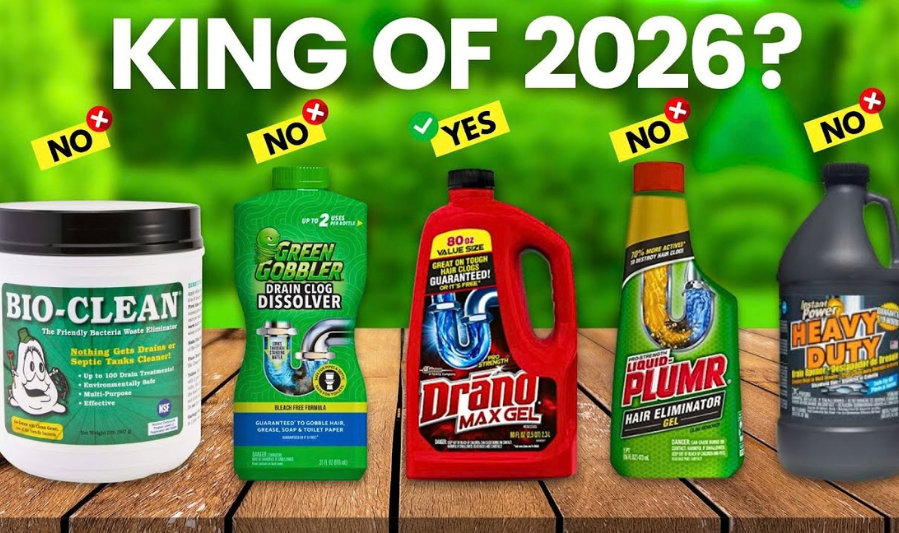
The best drain cleaner for a sink depends on the type and severity of the clog. For minor organic buildup, an enzymatic drain cleaner can be a gentler option, while chemical drain cleaners may work faster on tougher clogs. For stubborn or deep blockages, mechanical solutions such as a drain snake or plunger can often be more effective.
Which Drain Cleaner Should You Choose?
- Chemical drain cleaners: Best suited for tough clogs that need a fast-acting solution.
- Enzymatic drain cleaners: A gentler choice for breaking down organic matter such as hair and food residue.
- Mechanical solutions: Plungers and drain snakes can physically remove stubborn blockages without relying on chemicals.
The right choice ultimately depends on what is causing the clog, how severe it is, and the type of plumbing system you have.
Below is a clean H2/H3 structure you can use for the “Best Drain Cleaners for Sinks” section. I’ve kept the product recommendations generic so specific products can be added after comparing current options.
:::writing{variant=”document” id=”62417″ title=”Best Drain Cleaners for Sinks”}
Best Drain Cleaners for Sinks
The best drain cleaner depends on where the clog occurs, what is causing it, and how severe the blockage is. Kitchen sinks often need solutions that target grease and food residue, while bathroom sinks commonly require products that can break down hair and soap buildup. Enzyme-based cleaners and mechanical tools can also be useful alternatives to harsh chemical formulas.
3.1 Best Overall Drain Cleaner
Product Overview
A good overall drain cleaner should be versatile enough to handle common sink clogs while being suitable for regular household plumbing.
What Types of Clogs It Handles
Look for a formula or solution that can address common buildup such as hair, soap residue, grease, food particles, and other organic debris.
Key Features
- Effective against common household clogs
- Easy to use
- Suitable for the intended type of plumbing
- Fast or gradual clog removal, depending on the formula
- Clear usage and safety instructions
Pros and Cons
Pros:
- Versatile for common sink problems
- Convenient to use
- Can help restore normal water flow
Cons:
- May not work on every type of blockage
- Some chemical formulas require careful handling
- Severe clogs may require mechanical removal
Best For
A versatile drain cleaner is best for homeowners who want a general-purpose solution for occasional sink clogs.
3.2 Best Drain Cleaner for Kitchen Sinks
How It Handles Grease and Food Buildup
Kitchen sink clogs are often caused by grease, oil, food particles, and other organic waste. A suitable cleaner should be designed to break down or loosen this buildup so water can flow more freely.
Benefits and Limitations
Benefits:
- Helps target grease and organic residue
- Useful for slow-draining kitchen sinks
- Can reduce recurring buildup when used appropriately
Limitations:
- May not remove a solid or deeply lodged blockage
- Some formulas are unsuitable for certain plumbing systems
- Excessive use of harsh chemicals can damage plumbing
Best Use Cases
Kitchen-focused drain cleaners are most useful for slow drains and moderate buildup caused by grease, food residue, and organic debris.
3.3 Best Drain Cleaner for Bathroom Sinks
Effectiveness Against Hair and Soap Buildup
Bathroom sink clogs commonly develop when hair combines with soap scum, toothpaste residue, and dirt. A suitable drain cleaner should help break down organic material or loosen the buildup restricting water flow.
Features to Consider
- Effectiveness against hair and organic debris
- Compatibility with household plumbing
- Ease of application
- Appropriate contact time
- Clear safety instructions
Pros and Cons
Pros:
- Can help clear common bathroom sink buildup
- Convenient for occasional clogs
- Some formulas are designed specifically for hair
Cons:
- May be ineffective against hard physical blockages
- Chemical formulas require careful handling
- Repeated use may not address the underlying cause of recurring clogs
3.4 Best Enzyme-Based Drain Cleaner
How Enzyme Cleaners Work
Enzyme-based drain cleaners use biological or enzymatic ingredients to break down organic materials such as hair, grease, food residue, and other buildup. Rather than aggressively dissolving a blockage, they generally work more gradually.
Why They Can Be Useful for Regular Maintenance
Enzyme cleaners can be useful for routine drain maintenance because they are typically intended for gradual breakdown of organic buildup. They may help keep drains flowing when used according to the manufacturer’s directions.
Advantages Over Harsh Chemical Cleaners
- Generally gentler than strong caustic drain cleaners
- Useful for ongoing maintenance
- Can target organic buildup
- May be a better option when avoiding aggressive chemical formulas
However, enzyme cleaners are usually not the fastest choice for severe or completely blocked drains.
3.5 Best Budget-Friendly Option
Affordable Choices
Budget-friendly drain cleaners include basic chemical or enzyme-based formulas, as well as simple mechanical tools such as plungers. The most affordable option isn’t necessarily the cheapest bottle—it should provide effective clog removal without requiring repeated applications.
What to Expect at a Lower Price
Lower-cost products may offer fewer specialized features or smaller quantities. Performance can also vary depending on the type and severity of the clog.
Value for Money
For occasional minor clogs, an inexpensive cleaner or a reusable plunger can provide good value. Consider effectiveness, quantity, ease of use, and whether the product is suitable for your plumbing before making a purchase.
3.6 Best Heavy-Duty Drain Cleaner
When a Heavy-Duty Formula May Be Appropriate
A heavy-duty drain cleaner may be appropriate for stubborn blockages that have not responded to milder methods. These products are generally intended for tougher buildup and should only be used according to their specific instructions.
Types of Severe Clogs It Can Address
Depending on the formula, heavy-duty cleaners may target significant accumulations of hair, grease, soap residue, and other organic material. However, they may not resolve blockages caused by solid objects, damaged pipes, or structural plumbing problems.
Important Safety Considerations
Heavy-duty chemical drain cleaners can be hazardous if handled incorrectly. Always follow the manufacturer’s instructions, use the recommended protective equipment, and keep the product away from children and pets. Never mix different drain cleaners or combine a drain cleaner with other household chemicals, as dangerous reactions can occur.
If a severe or recurring blockage does not clear with an appropriate method, a plumber may be a safer and more effective solution. :::
Drain Cleaner Comparison Table
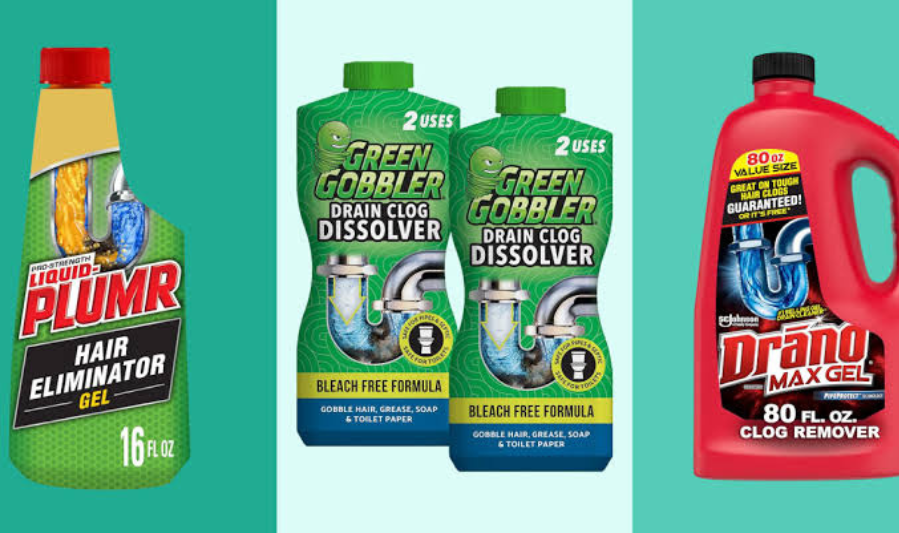
The following table compares popular sink drain-cleaning options by formula, intended use, clog type, typical U.S. price range, ease of use, and key safety considerations. Prices can vary by retailer, package size, and location. GGood Housekeeping+1
| Product | Type | Best For | Clog Type | Price Range | Ease of Use | Safety Considerations |
|---|---|---|---|---|---|---|
| Drano Max Gel | Chemical/caustic gel | Best overall | Hair, soap scum, food, general clogs | $7–$10 | Easy | Wear appropriate protection, follow label directions, and never mix with other cleaners. GGood Housekeeping+1 |
| Liquid-Plumr Pro-Strength Hair Eliminator | Oxidizing gel | Bathroom sinks | Hair, soap scum, organic debris | $6–$8 | Easy | Avoid contact with skin and eyes; follow directions carefully. Less suitable for grease clogs. NNBC News |
| Green Gobbler Enzyme Drain Cleaner | Enzymatic | Kitchen sinks and maintenance | Grease, oil, fats, food | $25–$30 | Easy | Gentler than many caustic cleaners, but still follow the product’s instructions. NNBC News |
| Green Gobbler Drain Opening Pacs | Enzyme-based | Routine maintenance | Organic buildup and slow drains | Around $20–$25 | Very easy | Use the recommended dose and flush thoroughly; enzymes generally work more slowly than chemical cleaners. GGood Housekeeping |
| Thrift Drain Cleaner | Chemical/granular | Tough kitchen clogs | Grease, hair, soap buildup | Around $20–$25 | Moderate | Contains sodium hydroxide; requires careful handling and thorough flushing. NNBC News |
| Plunger or Drain Snake | Mechanical | Chemical-free clog removal | Hair, debris, physical blockages | About $10–$20+ | Moderate | No chemical exposure, but use the correct tool and technique to avoid damaging plumbing. |
Safety note: Chemical drain cleaners can cause serious burns and other injuries if they contact the skin or eyes. Never mix drain cleaners with each other or with other household chemicals, and always follow the manufacturer’s instructions. WWashington Poison Center+1
For most readers, Drano Max Gel is a strong all-purpose chemical option, while an enzyme-based cleaner is worth considering for gentler ongoing maintenance. For a physical blockage, a plunger or drain snake can be preferable to adding chemicals
Types of Drain Cleaners
Different drain-cleaning methods are designed to tackle different types of blockages. Chemical and enzyme-based cleaners work by breaking down buildup, while foaming formulas help cover and loosen debris. Mechanical tools, on the other hand, physically remove or dislodge the clog.
5.1 Chemical Drain Cleaners
How They Work
Chemical drain cleaners typically use strong ingredients that react with and break down materials such as hair, grease, soap scum, and other organic debris. Depending on the formula, they may generate heat or chemically dissolve the material blocking the pipe.
Advantages
- Can work quickly on many common clogs
- Convenient and easy to use
- Available in liquid, gel, and granular formulas
- Useful for moderate to stubborn organic blockages
Disadvantages
- Some formulas can damage certain pipes or plumbing components if misused
- Can cause serious skin and eye irritation or burns
- May not work on solid objects or structural plumbing problems
- Repeated use may not solve the underlying cause of recurring clogs
When to Use Them
Chemical cleaners are best considered for appropriate organic clogs when other simple methods have not worked. Always check the product label for plumbing compatibility and follow the recommended dosage and contact time.
5.2 Enzyme-Based Drain Cleaners
How Enzymes Break Down Organic Material
Enzyme-based drain cleaners use biological enzymes or microorganisms to break down organic materials such as grease, food residue, hair, and other buildup. They generally work more slowly than strong chemical cleaners but are designed to gradually digest organic matter.
Benefits
- Generally gentler than harsh chemical drain cleaners
- Useful for routine drain maintenance
- Can help reduce organic buildup over time
- Suitable for homeowners who prefer a less aggressive approach
Limitations
- Usually slower than chemical drain cleaners
- May not clear a severe or completely blocked drain
- Less effective against inorganic objects or structural blockages
- Often requires repeated or regular application
Best Applications
Enzyme-based cleaners are particularly useful for slow drains, routine maintenance, and recurring organic buildup. They are often a better choice for prevention than for an emergency, completely blocked sink.
5.3 Foaming Drain Cleaners
How Foaming Formulas Work
Foaming drain cleaners expand when activated, allowing the product to spread across the inside of the drain and contact buildup in a larger area. Depending on the formulation, the foam can help loosen grease, soap residue, hair, and other debris.
Where They Are Most Useful
Foaming formulas can be useful for sinks with light to moderate buildup or slow drainage. Their ability to spread through portions of the drain makes them useful for routine cleaning, although they may not be powerful enough for severe blockages.
5.4 Mechanical Drain Cleaning
Mechanical cleaning removes or dislodges a clog without relying on chemical reactions. It can be especially useful when the blockage is caused by a physical object or a dense mass of debris.
Plungers
A plunger uses pressure and suction to loosen blockages and restore water flow. It is inexpensive, reusable, and often one of the first methods worth trying for a partially blocked sink.
Drain Snakes
A drain snake, or auger, uses a flexible cable to reach into the pipe and break apart or pull out stubborn clogs. It can be particularly effective against hair and compacted debris that chemical cleaners may struggle to remove.
Manual Drain Tools
Other manual tools include small drain claws and hair-removal tools designed to grab debris near the drain opening. These are useful when the source of the blockage is easily accessible.
When Mechanical Cleaning Is Better Than Chemicals
Mechanical cleaning is often the better choice when the clog is solid, severe, close to the drain opening, or caused by hair or a physical object. It also avoids exposing plumbing and users to potentially harsh chemicals. For a recurring or completely blocked drain, physically removing the obstruction can address the problem more directly than repeatedly applying drain cleaner.
How to Choose the Best Drain Cleaner for Your Sink
Choosing the right drain cleaner starts with understanding what is causing the blockage. The best product for a hair clog may not be the right choice for grease, food residue, or mineral deposits. Consider the clog type, pipe material, severity, and cleaner formula before making a decision.
6.1 Identify the Type of Clog
Identifying the material causing the blockage helps you choose a cleaner that is designed to work against it.
Hair
Hair is a common cause of bathroom sink clogs. A drain snake, hair-removal tool, or product specifically formulated to break down hair may be effective.
Grease
Grease and cooking oils can accumulate along the inside of kitchen pipes. A cleaner designed to target grease and organic buildup can help with these blockages.
Food
Food particles and other organic waste can create kitchen sink clogs. Enzyme-based formulas may be useful for gradual organic buildup, while mechanical cleaning can help with larger physical blockages.
Soap Scum
Soap residue can combine with hair, dirt, and minerals to restrict water flow. A suitable drain cleaner can help loosen this buildup, particularly when the drain is slow rather than completely blocked.
Mineral Deposits
Hard-water minerals can accumulate inside pipes and gradually reduce the opening available for water to pass through. Standard drain cleaners may not be effective against heavy mineral deposits, so mechanical cleaning or professional plumbing assistance may be more appropriate.
6.2 Consider Your Pipe Material
The material and condition of your plumbing can affect which drain cleaner is appropriate.
PVC
Many drain cleaners can be used with PVC pipes, but compatibility varies by product. Always check the manufacturer’s label before applying a chemical cleaner.
Metal
Metal pipes can tolerate some drain-cleaning products, but harsh chemicals and repeated exposure may cause problems depending on the pipe’s condition and material.
Older Plumbing
Older or deteriorating plumbing may require extra caution. Aggressive chemical cleaners can potentially worsen existing weaknesses or damage vulnerable components.
Why Compatibility Matters
Using a cleaner that is incompatible with your plumbing can result in pipe damage, leaks, or other costly problems. Always verify that the product is suitable for your specific pipe material before use.
6.3 Consider the Severity of the Clog
The severity of the blockage should also influence your choice.
Slow Drain
A slow drain often indicates early-stage buildup. An enzyme-based cleaner, appropriate chemical cleaner, or simple mechanical cleaning may be enough to restore normal flow.
Partially Blocked Drain
For a partially blocked drain, you may need a stronger solution or a mechanical tool to break up and remove the accumulated debris.
Completely Blocked Drain
When a sink is completely blocked, mechanical methods such as a plunger or drain snake can be preferable because they physically address the obstruction. Avoid repeatedly adding chemical cleaner if the drain will not clear.
Recurring Clogs
If the same drain keeps becoming blocked, simply using more drain cleaner may not solve the underlying problem. Recurring clogs can indicate accumulated buildup, improper drainage, or a plumbing issue that requires inspection.
6.4 Chemical vs. Enzyme-Based Formula
Chemical and enzyme-based cleaners have different strengths.
| Factor | Chemical Cleaner | Enzyme-Based Cleaner |
|---|---|---|
| Speed | Usually faster | Generally slower |
| Best for | Tough organic clogs | Organic buildup and maintenance |
| Effectiveness | Strong on many common clogs | Better suited to gradual buildup |
| Maintenance | Not typically the primary purpose | Useful for routine maintenance |
| Approach | Chemically breaks down buildup | Gradually breaks down organic material |
If you need a faster response to an appropriate clog, a chemical formula may be preferable. For routine maintenance and gradual organic buildup, an enzyme-based product can be a gentler alternative.
6.5 Read the Product Label
Before using any drain cleaner, read the entire product label rather than relying only on the front of the package.
Directions
Follow the manufacturer’s instructions for application, flushing, and disposal. Using more product than recommended does not necessarily make it more effective.
Contact Time
Check how long the product should remain in the drain before flushing. Leaving a product in the pipe longer than instructed can increase the risk of damage.
Required Amount
Use only the recommended amount. Different formulas have different concentrations, so never assume that more is better.
Pipe Compatibility
Look for information about compatibility with PVC, metal, septic systems, or other plumbing components relevant to your home.
Safety Warnings
Pay close attention to warnings about skin and eye contact, ventilation, protective equipment, storage, and accidental exposure. Never mix different drain cleaners or combine them with other household chemicals, as dangerous reactions can occur
How to Use Drain Cleaner in a Sink
Using drain cleaner correctly can help clear a clog while reducing the risk of damage to your plumbing or injury. Because formulas vary, always follow the instructions provided by the manufacturer.
1. Remove Standing Water if Recommended
If the product instructions recommend removing standing water, carefully clear the excess water from the sink before applying the cleaner. Do not assume this step is required for every product.
2. Read the Label Carefully
Read the complete label before use. Check the recommended application method, required amount, contact time, compatible pipe materials, and safety precautions.
3. Use the Recommended Amount
Measure and apply only the amount specified by the manufacturer. Never improvise with chemical quantities or assume that using more product will clear a clog faster.
4. Allow the Product to Work
Let the drain cleaner remain in the pipe for exactly the amount of time stated on the label. Do not leave it for significantly longer unless the manufacturer specifically instructs you to do so.
5. Flush According to the Instructions
After the recommended contact time, flush the drain exactly as directed. Some products require a specific amount or temperature of water, so follow the manufacturer’s instructions rather than guessing.
Why You Should Never Improvise With Chemical Quantities
Using too much drain cleaner can increase chemical exposure and may raise the risk of pipe or fixture damage without making the product more effective. Similarly, mixing products or combining drain cleaner with other household chemicals can cause dangerous chemical reactions. Use only the recommended product and quantity, and never mix different drain cleaners.
FAQS:
What is the best drain cleaner for sinks?
The best drain cleaner depends on the type and severity of the clog. Chemical cleaners can work quickly on tough blockages, while enzyme-based cleaners are often better suited for regular maintenance and organic buildup.
What is the best drain cleaner for a kitchen sink?
A drain cleaner designed to break down grease, food residue, and organic buildup can be a good choice for kitchen sinks. Always check that the product is suitable for your plumbing before use.
Can drain cleaner damage sink pipes?
Some harsh chemical drain cleaners can damage certain plumbing materials if they are misused or used too frequently. Always follow the manufacturer’s instructions and check whether the product is compatible with your pipes.
How often should I use drain cleaner?
Drain cleaner should generally be used only when needed and according to the product instructions. For routine maintenance, an enzyme-based cleaner may be a suitable option if the manufacturer recommends regular use.
What should I do if drain cleaner doesn’t unclog my sink?
If the drain remains blocked, try a suitable mechanical method such as a plunger or drain snake. If the clog keeps returning or multiple drains are affected, it’s best to have a professional plumber inspect the plumbing.
Conclusion
Choosing the best drain cleaner for sinks depends on the type of clog, your plumbing system, and how severe the blockage is. Chemical drain cleaners can provide fast results for stubborn clogs, while enzyme-based cleaners are a gentler option for regular maintenance. For simple blockages, a plunger or drain snake may also be an effective alternative.
Before using any drain cleaner, always read the product instructions, check pipe compatibility, and never mix different cleaning chemicals. With the right product and proper use, you can keep your sink draining smoothly and help prevent future clogs.