Introduction
Clogged drains are one of the most common plumbing issues homeowners encounter. Hair, food particles, grease, soap residue, dirt, and other debris can gradually build up inside pipes and restrict normal water flow. While a minor blockage may initially seem like a small inconvenience, ignoring it can allow the buildup to become more severe and potentially lead to overflowing water, unpleasant odors, or plumbing damage.
Clogged drain problems can occur in many areas of a home, including kitchen sinks, bathroom sinks, showers, bathtubs, toilets, and floor drains. Recognizing the early warning signs and addressing blockages promptly can help prevent more serious plumbing issues.
In this article, we’ll cover the common causes and signs of clogged drains, explain how to clear minor blockages safely, discuss prevention methods, and outline when professional drain cleaning may be necessary.
What Are Clogged Drain Problems?
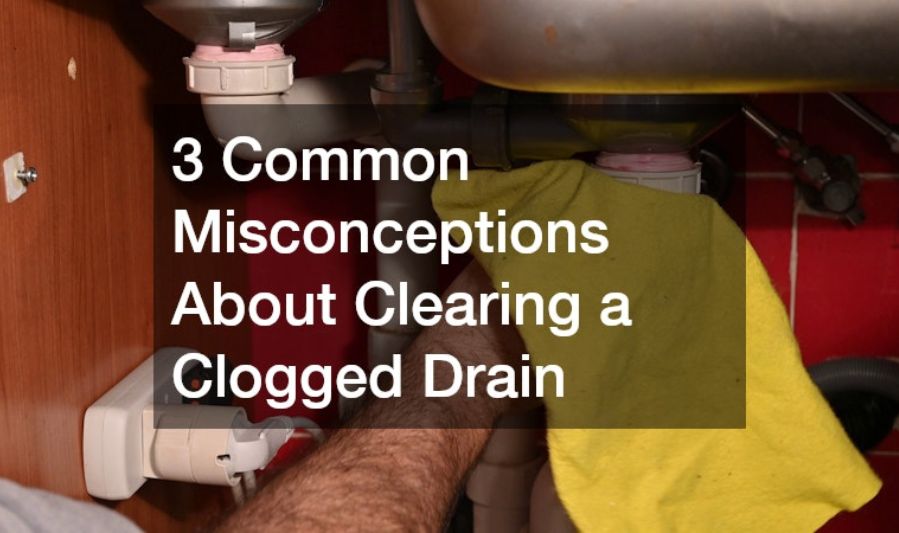
Clogged drain problems occur when unwanted materials build up inside a drain or pipe and prevent water from flowing normally. These blockages can develop gradually or happen suddenly, depending on what enters the plumbing system and where the buildup occurs.
What Is a Clogged Drain?
A clogged drain is a plumbing drain that has become partially or completely obstructed by materials such as hair, food particles, grease, soap residue, dirt, or other debris. The obstruction limits the passage available for water and can eventually stop drainage altogether.
How Debris Restricts Normal Water Flow
As debris accumulates inside a pipe, it reduces the space through which water can travel. For example, hair can collect around a drain opening, while grease and food particles can stick to the inside of kitchen pipes. Over time, additional debris can attach to the existing buildup, making the blockage larger and restricting water flow even further.
Slow Drain vs. Completely Blocked Drain
A slow drain still allows water to pass through, but the water drains noticeably more slowly than normal. This is often an early indication that a blockage is developing.
A completely blocked drain prevents water from flowing away properly. Water may remain in a sink, shower, bathtub, or other fixture and can eventually overflow if more water is added.
Why Early Treatment Is Important
Addressing a developing blockage early can help prevent it from becoming more difficult to remove. A neglected clog can lead to standing water, unpleasant odors, overflowing fixtures, and recurring drainage problems. In some situations, persistent blockages may also indicate a deeper issue within the plumbing system.
Taking action when you first notice slow drainage can make it easier to restore normal water flow and reduce the risk of more extensive plumbing problems.
Common Causes of Clogged Drain Problems
Clogged drain problems can develop from everyday materials that gradually accumulate inside pipes. Some blockages are caused by household waste, while others result from problems deeper within the plumbing or sewer system.
3.1 Hair Buildup
Hair is one of the most common causes of bathroom drain blockages. During showers and bathing, loose hair can enter the drain and become trapped inside the pipe.
Hair can also combine with soap residue, skin oils, and other debris, creating a larger mass that restricts water flow. Over time, this buildup can turn a slow drain into a complete blockage.
3.2 Grease and Cooking Oil
Grease and cooking oil can create serious problems in kitchen plumbing. When these substances enter the drain, they can stick to the inside walls of pipes and gradually accumulate.
Pouring cooking oil or grease down the sink is particularly problematic because the material can eventually cool and harden inside the plumbing. Other food particles can then stick to the greasy buildup, increasing the size of the blockage.
Instead of pouring used cooking oil or grease down the drain, allow it to cool and dispose of it appropriately.
3.3 Food Particles
Food waste can easily contribute to kitchen drain blockages, particularly when large or unsuitable particles are washed into the sink.
Common problematic waste includes:
- Food scraps
- Coffee grounds
- Rice and pasta
- Vegetable peels
- Fats and food residue
Using a sink strainer can help catch food particles before they enter the drain. Empty the strainer into the appropriate waste container rather than washing the collected debris down the sink.
3.4 Soap and Mineral Buildup
Soap residue can accumulate inside bathroom drains and combine with hair and other debris. Over time, this buildup can narrow the passage available for water and contribute to slow drainage.
Hard-water minerals can also deposit on plumbing surfaces. Mineral buildup may gradually restrict water flow, particularly in older plumbing systems or areas with hard water. Regular cleaning and maintenance can help reduce surface buildup and keep drains flowing properly.
3.5 Foreign Objects
Objects that are not designed to pass through household drains can become lodged in pipes and create blockages. Children, pets, or household activities can sometimes result in inappropriate items entering toilets, sinks, showers, or floor drains.
Items that should not be flushed or washed down drains include:
- Paper towels and tissues in large quantities
- Wipes that are not designed to be flushed
- Sanitary products
- Cotton swabs and similar items
- Dental floss
- Small toys or household objects
- Grease, oils, and unsuitable food waste
Keeping inappropriate materials out of drains is one of the simplest ways to reduce the risk of preventable blockages.
3.6 Tree Roots
Tree roots can become a cause of severe blockages in underground sewer lines. As roots grow, they may enter small cracks or joints in damaged or aging sewer pipes in search of moisture. Once inside, the roots can continue growing and trap additional debris.
Warning signs of a root-related blockage may include:
- Repeated or recurring drain clogs
- Multiple slow-draining fixtures
- Frequent toilet backups
- Unusual gurgling sounds
- Persistent sewer odors
- Blockages that return shortly after being cleared
Because sewer lines are underground and difficult to inspect directly, suspected tree-root problems may require professional inspection. A plumber can use appropriate diagnostic equipment to identify the location and condition of the blockage and determine the appropriate repair.
Signs of a Clogged Drain
Recognizing the early signs of a clogged drain can help you address the problem before it becomes a severe blockage. While a minor clog may initially cause only slow drainage, continued buildup can eventually lead to standing water, backups, and recurring plumbing problems.
Slow Drainage
Water that takes longer than usual to drain is often one of the first signs of a developing blockage. Hair, grease, soap residue, and other debris may be restricting the pipe without completely stopping the flow.
Standing Water
Water that remains in a sink, bathtub, shower, or floor drain indicates that water is not flowing away properly. Persistent standing water can be a sign that the blockage has become more severe.
Bad Odors
Unpleasant smells coming from a drain can occur when food particles, grease, hair, soap residue, or other organic material becomes trapped inside the plumbing. A persistent sewer-like odor may indicate a more serious drainage or sewer problem.
Gurgling Sounds
Gurgling, bubbling, or unusual sounds from a drain can indicate restricted water flow or air movement within the plumbing system. These sounds may occur when water is struggling to pass through a partially blocked pipe.
Water Backing Up
If water flows back into a sink, bathtub, shower, or floor drain after another fixture is used, there may be a significant blockage in the drainage system. Water backing up from a drain should be addressed promptly to reduce the risk of an overflow.
Multiple Slow Drains
When several drains throughout the home become slow at the same time, the problem may be located farther down the plumbing system rather than at an individual fixture. Multiple affected drains can sometimes indicate a main drain or sewer line obstruction.
Frequent Toilet or Sink Blockages
A toilet or sink that repeatedly becomes blocked despite being cleared may have an underlying drainage problem. Recurring blockages can result from persistent buildup, unsuitable objects in the plumbing, pipe restrictions, or a deeper sewer line issue.
If several warning signs occur together, especially multiple slow drains or recurring backups, professional inspection may be necessary to identify and properly address the underlying blockage.
Clogged Drains in Different Areas of the Home
Different drains collect different types of waste, so the causes of blockages can vary from one part of the home to another. Understanding what commonly clogs each drain can help homeowners prevent blockages and respond to early warning signs.
Kitchen Sink
Kitchen sink clogs are often caused by grease, oil, and food particles. These materials can stick to the inside of pipes and accumulate over time, restricting normal water flow. Using a sink strainer and keeping grease and unsuitable food waste out of the drain can help reduce blockages.
Bathroom Sink
Bathroom sinks commonly become clogged by hair, soap, and toothpaste residue. These materials can collect around the drain stopper or build up inside the pipe, gradually slowing drainage.
Shower and Bathtub
Hair and soap buildup are frequent causes of shower and bathtub clogs. Hair can become trapped in the drain while soap residue sticks to the pipe and combines with other debris. Installing a drain screen can help catch hair before it enters the plumbing.
Toilet
Toilet blockages can occur when excessive toilet paper or inappropriate items are flushed. Toilets should only be used for waste and toilet paper unless the plumbing system or product instructions specifically indicate otherwise. Items such as wipes, sanitary products, paper towels, and household objects can cause difficult blockages.
Floor Drain
Floor drains can collect dirt, debris, and sediment, particularly in basements, garages, utility rooms, and other areas where outdoor or cleaning debris may enter. Keeping the drain opening clean and removing visible debris can help maintain proper drainage.
Understanding the typical causes of blockages in each area makes it easier to take preventive measures and recognize potential clogged drain problems before they become more serious.
How to Fix Minor Clogged Drain Problems
Minor clogged drain problems can sometimes be resolved with simple mechanical cleaning and basic maintenance. The best approach depends on the type and location of the blockage. If a clog is severe, keeps returning, or affects multiple drains, professional inspection may be necessary.
6.1 Remove Visible Debris
Start by checking the drain opening for material that can be safely removed by hand.
- Clean the drain opening: Remove the drain cover or stopper when appropriate and clean away accumulated dirt, soap residue, and other debris.
- Remove hair and accessible material: Pull out visible hair and other debris using a suitable tool or by hand while wearing protective gloves.
Avoid pushing debris farther into the pipe, as this can make the blockage worse.
6.2 Use a Plunger
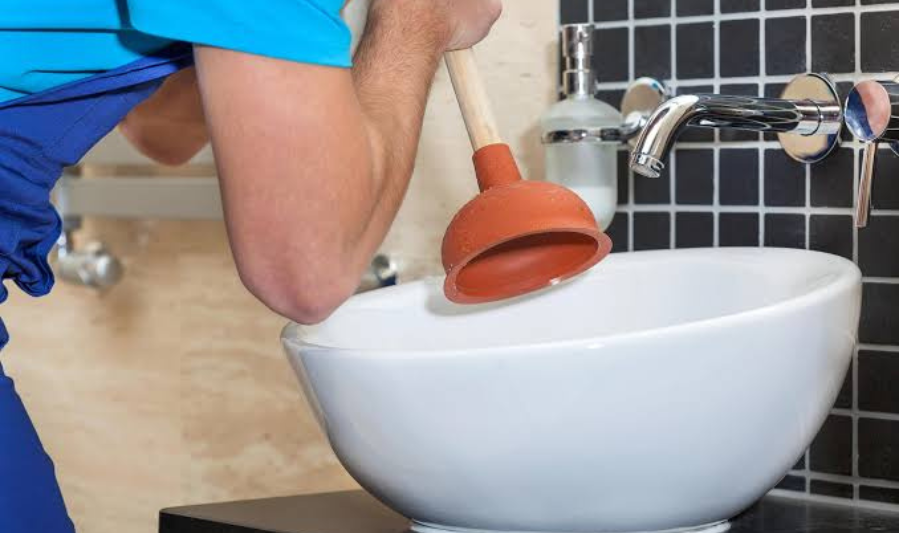
A plunger can be effective for many minor blockages by creating pressure that helps loosen the obstruction.
- Create a proper seal: Place the plunger firmly over the drain opening. For sinks with an overflow opening, covering the overflow can help create better pressure.
- Use controlled plunging motions: Push and pull the plunger steadily several times while maintaining the seal. Avoid excessively aggressive plunging, which may damage older or fragile plumbing connections.
After plunging, run water slowly to check whether drainage has improved.
6.3 Clean the Drain Trap
The drain trap is the curved section of pipe located beneath many sinks. It can collect hair, food particles, grease, and other debris.
- When cleaning may help: Cleaning the trap can be useful when a sink is draining slowly or is blocked and the obstruction is suspected to be near the sink.
- Use basic precautions: Place a bucket beneath the trap before loosening it to catch any water and debris. Wear gloves and carefully inspect the connections.
- Check for leaks afterward: Reassemble the trap securely and run water through the sink. Check the connections for dripping before considering the job complete.
If the trap is difficult to remove or the blockage appears to be farther inside the plumbing, professional assistance may be appropriate.
6.4 Flush With Hot Water
Hot water may help loosen certain types of buildup, particularly some grease and soap residue.
Use hot tap water and allow it to flow through the drain gradually when appropriate. However, boiling water is not suitable for every plumbing system. Extremely hot water can potentially damage or stress certain plastic pipes, seals, or fixtures.
Avoid using very hot or boiling water if you are unsure what type of plumbing materials are installed. Mechanical methods such as plunging are generally a safer first option for many minor blockages.
6.5 Avoid Excessive Chemical Cleaners
Chemical drain cleaners can sometimes dissolve certain types of organic buildup, but they are not appropriate for every clog or plumbing system.
Excessive or improper use can:
- Damage some pipes or plumbing components
- Create hazardous chemical exposure
- Produce dangerous fumes
- Make subsequent plumbing repairs more difficult
- Fail to remove the underlying blockage
For many minor clogs, safer mechanical alternatives such as removing visible debris, using a plunger, or cleaning an accessible drain trap are preferable. Never mix different drain-cleaning chemicals or combine them with other household cleaning products.
If a blockage does not clear with basic methods, avoid repeatedly adding chemical cleaners and consider professional drain cleaning instead.
How to Prevent Clogged Drain Problems
Preventing clogged drain problems starts with keeping unwanted materials out of your plumbing system. A few simple maintenance habits can reduce buildup, improve drainage, and help prevent minor blockages from becoming major plumbing issues.
Use Drain Strainers
Install drain strainers or screens in kitchen sinks, bathroom sinks, showers, and bathtubs. They can catch hair, food particles, and other debris before it enters the pipes. Empty and clean the strainers regularly to maintain proper drainage.
Keep Grease and Oil Out of Sinks
Avoid pouring cooking grease, oil, or fats down the kitchen sink. These substances can stick to the inside of pipes and collect other debris, eventually creating stubborn blockages. Dispose of used grease and oil appropriately instead.
Dispose of Food Waste Properly
Scrape leftover food into the appropriate waste container before washing dishes. Avoid putting large amounts of food scraps, coffee grounds, fibrous materials, or other unsuitable waste down the sink.
Clean Drain Stoppers Regularly
Drain stoppers can collect hair, soap residue, dirt, and other debris. Remove and clean them regularly to prevent buildup from entering the drain and restricting water flow.
Avoid Flushing Unsuitable Items
Only flush materials that are appropriate for your toilet and plumbing system. Avoid flushing wipes, paper towels, sanitary products, cotton swabs, dental floss, household objects, and other unsuitable items, as they can contribute to blockages.
Maintain Drains Regularly
Regularly inspect and clean accessible drains, strainers, and stoppers. Keeping these areas free of buildup can help maintain normal water flow and reduce the risk of unexpected blockages.
Address Slow Drainage Early
A slow drain can be an early warning sign of a developing blockage. Instead of ignoring the problem, check for and remove accessible debris and monitor the drain. If slow drainage continues or repeatedly returns, consider professional inspection before the blockage becomes more severe.
You may also like to read these posts:
Common Plumbing Problems at Home: Causes, Solutions & Prevention Tips
Water Leaking From Pipes: Causes, Warning Signs & How to Fix It
Low Water Pressure Problems: Causes, Solutions & Prevention Tips
Clogged Drain Problems: Common Causes, Easy Fixes & Prevention Tips
Can a Clogged Drain Cause Other Plumbing Problems?
Yes. A clogged drain can cause more than slow or stopped drainage, particularly when the blockage is severe or left untreated. As water becomes trapped or redirected within the plumbing system, it can contribute to several other problems.
Water Overflow
A completely blocked drain can prevent wastewater from escaping. Continued use of a sink, shower, bathtub, or toilet may eventually cause water to rise and overflow, potentially damaging nearby floors, cabinets, and other surfaces.
Leaks Around Connections
A blockage can cause water to back up within a drainage system. In some situations, this may place additional stress on weak or deteriorated connections, potentially contributing to leaks around joints and fittings.
Unpleasant Odors
Food particles, grease, hair, soap residue, and other organic material trapped inside a clogged drain can produce unpleasant smells. Persistent odors may also indicate a deeper drainage or sewer problem.
Water Damage
Overflowing or backed-up water can damage flooring, cabinets, drywall, and other materials. If contaminated wastewater is involved, cleanup may also require additional precautions.
Increased Pressure in Certain Situations
A blockage restricts normal water movement and can create increased pressure in portions of the drainage system, particularly when water continues to be added. The effect depends on the location and severity of the obstruction and the condition of the plumbing.
Potential Sewer Backups
If a blockage occurs in a main drain or sewer line, wastewater from multiple fixtures may have nowhere to go and can back up into the home. Multiple slow drains, recurring backups, foul odors, and gurgling sounds can be warning signs of a deeper sewer-line problem.
If a clog repeatedly returns, affects multiple fixtures, causes wastewater to back up, or is accompanied by leaks or significant odors, professional drain or sewer inspection may be necessary.
FAQS:
What causes clogged drain problems?
Common causes include hair, grease, cooking oil, food particles, soap buildup, mineral deposits, and foreign objects. Underground drains can also become blocked by tree roots or damaged pipes.
How can I unclog a drain at home?
For a minor clog, remove visible debris and try using a suitable plunger. Cleaning the drain stopper or accessible trap may also help. Persistent blockages may require professional drain cleaning.
Why does my drain keep getting clogged?
Recurring clogs may result from repeated buildup, improper disposal habits, damaged pipes, or a deeper blockage in the drainage system. Frequent clogs should be professionally inspected.
How can I prevent clogged drains?
Use drain strainers, keep grease and oil out of sinks, dispose of food waste properly, clean drain stoppers regularly, and avoid flushing inappropriate items down the toilet.
When should I call a plumber for a clogged drain?
Call a plumber if the blockage is severe, keeps returning, affects multiple drains, causes water or sewage backups, or does not improve with basic drain-cleaning methods.
Conclusion
Clogged drain problems can disrupt your daily routine and may lead to bigger plumbing issues if they are ignored. Hair, grease, food particles, soap buildup, and foreign objects are common causes of blocked drains. Regular maintenance, proper waste disposal, and early attention to slow drainage can help prevent serious blockages. For severe, recurring, or multiple clogged drains, professional plumbing assistance can help identify and resolve the underlying problem.