
Introduction: Common Plumbing Problems at Home
Plumbing is an essential part of every home, providing clean water for drinking, cooking, bathing, and everyday household tasks while safely carrying wastewater away. When your plumbing system works properly, it keeps your home comfortable, hygienic, and functional.
Why Plumbing Problems Shouldn’t Be Ignored
Even small plumbing issues can become expensive when left untreated. A minor leak, clogged drain, or dripping faucet can gradually cause water damage, increase utility bills, or develop into a much larger repair.
What You’ll Learn in This Guide
In this article, we’ll cover the common plumbing problems at home, including clogged drains, leaky faucets, running toilets, low water pressure, and pipe leaks. You’ll also learn about their common causes, warning signs, and when you should consider calling a professional plumber.
What Are the Most Common Plumbing Problems at Home?
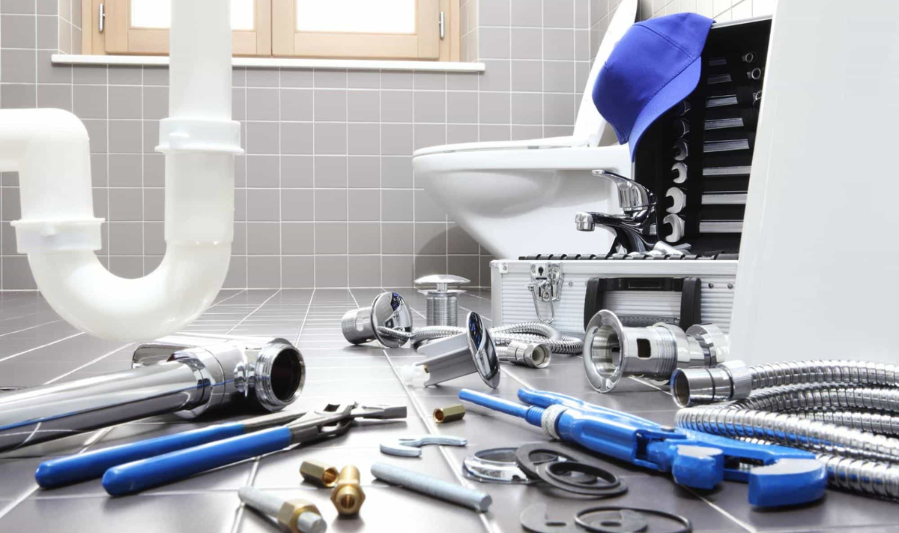
Homeowners can experience a variety of plumbing issues, ranging from minor annoyances to problems that require immediate professional attention. Some of the most common plumbing problems at home include:
Clogged Drains
Clogged kitchen, bathroom, and shower drains are often caused by hair, food scraps, grease, soap residue, and other debris building up inside the pipes.
Leaky Faucets
A dripping or leaking faucet may seem like a small problem, but it can waste water and increase your utility bills over time. Worn-out washers, seals, or other internal components are common causes.
Running Toilets
A toilet that continues running after flushing can waste a significant amount of water. Faulty flappers, fill valves, or float mechanisms are often responsible.
Low Water Pressure
Low water pressure can make showers, faucets, and other fixtures difficult to use. It may result from mineral buildup, clogged pipes, leaks, or problems with the home’s water supply.
Leaking Pipes
Pipe leaks can occur under sinks, behind walls, or beneath floors. If left untreated, they can cause water damage, mold growth, and structural problems.
Slow Drains
A drain that empties slowly is often an early warning sign of a developing blockage. Hair, grease, soap, and debris can gradually restrict water flow.
Water Heater Problems
Water heaters can develop issues such as leaks, unusual noises, inadequate hot water, or inconsistent heating. These problems may be related to sediment buildup, faulty components, or the unit’s age.
Noisy Pipes
Banging, rattling, knocking, or whistling sounds from pipes can indicate loose pipes, high water pressure, trapped air, or a phenomenon known as water hammer.
Low or Fluctuating Hot-Water Temperature
If your water is not getting hot enough or the temperature keeps changing, the problem may involve the water heater, thermostat, heating element, or plumbing system.
Sewer Line Problems
Sewer line issues can cause recurring drain clogs, foul odors, sewage backups, or unusually wet areas around the property. Because these problems can create serious sanitation and property-damage concerns, they often require professional inspection.
Clogged Drains
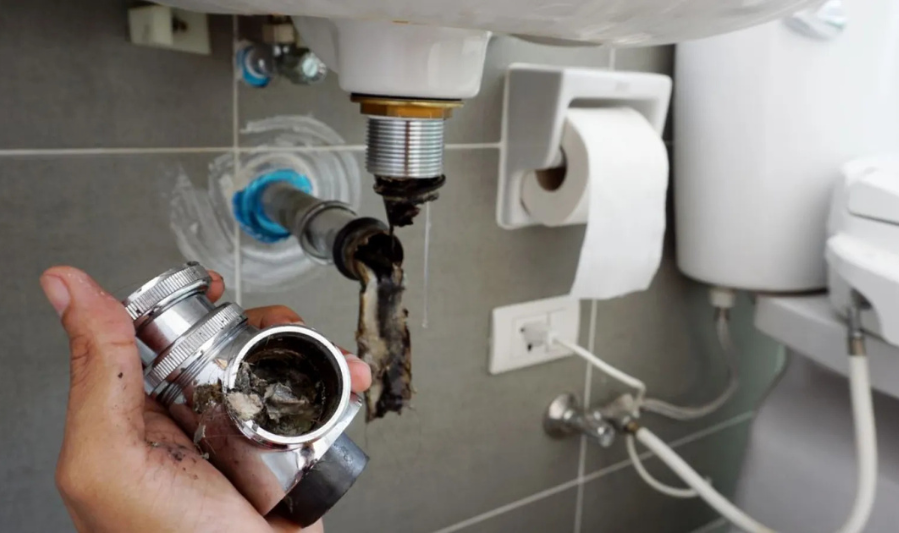
Clogged drains are one of the most common plumbing problems at home. They can affect kitchen sinks, bathroom sinks, showers, bathtubs, and other drains, making it difficult for water to flow normally. Addressing a clog early can help prevent more serious blockages and potential water damage.
Common Causes
Several types of materials can accumulate inside pipes and restrict water flow, including:
- Hair: Hair commonly collects in bathroom and shower drains and can combine with soap residue to form stubborn clogs.
- Food particles: Food scraps that enter the kitchen sink can accumulate inside the drain or pipes.
- Grease and oil: Grease, cooking oil, and fats can stick to the inside of pipes and gradually restrict water flow.
- Soap buildup: Soap residue can combine with hair and minerals, creating deposits that contribute to blockages.
- Dirt and debris: Dirt and other debris can enter drains and accumulate over time, especially when drain openings are not properly protected.
Warning Signs
Recognizing the early signs of a clogged drain can help you address the problem before it becomes more severe. Common warning signs include:
- Water draining slowly: Water takes noticeably longer than usual to disappear.
- Standing water: Water remains in sinks, showers, or bathtubs instead of draining normally.
- Bad smells: Unpleasant odors may come from trapped food, hair, grease, or other organic material inside the drain.
- Gurgling sounds: Bubbling or gurgling noises can indicate restricted water flow or air trapped in the plumbing system.
How to Fix a Clogged Drain
For a minor blockage, you can try a few simple steps before calling a professional:
- Remove visible debris: Take out any hair, food particles, or other material that you can safely reach near the drain opening.
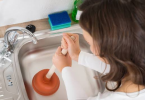
- Try a plunger: Use a suitable plunger to create pressure and loosen the blockage.
- Clean the drain stopper: Remove and clean the stopper or strainer, as buildup around it can restrict water flow.
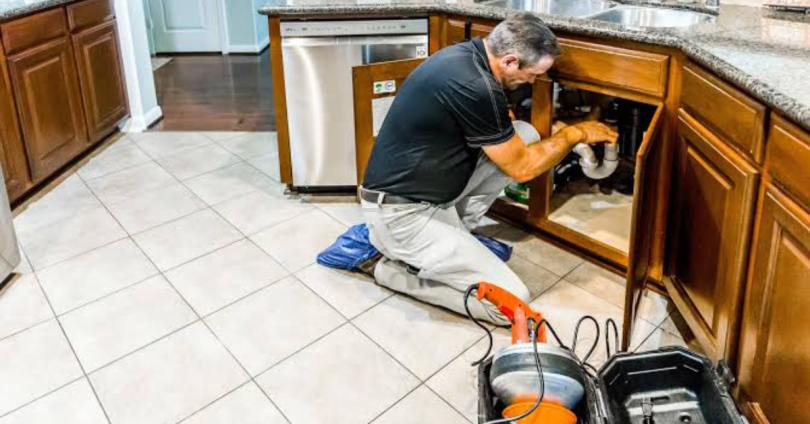
- Consider professional drain cleaning: If the blockage persists, keeps returning, or affects multiple drains, professional drain cleaning may be necessary.
How to Prevent Clogs
A few simple habits can reduce the risk of future drain blockages:
- Use drain screens: Install screens or strainers to catch hair, food particles, and other debris before they enter the pipes.
- Avoid putting grease down the sink: Let cooking grease and oil cool and dispose of them appropriately instead of pouring them into the drain.
- Keep unsuitable items out of drains: Avoid flushing or washing items down drains that are not designed to handle them.
Running Toilets
A running toilet is a common plumbing problem that occurs when water continues to flow into the toilet bowl after flushing. While it may seem like a minor issue, a constantly running toilet can waste a considerable amount of water and increase your household water bill.
Common Causes
Several toilet components can cause continuous water flow:
- Faulty flapper: A worn or damaged flapper may not seal the flush valve properly, allowing water to leak from the tank into the bowl.
- Damaged fill valve: A faulty fill valve may continue allowing water into the tank even after it reaches the proper level.
- Incorrect water level: If the water level is set too high, water may continuously flow into the overflow tube.
- Broken chain or handle: A loose, broken, or incorrectly adjusted chain can prevent the flapper from closing completely after flushing.
Signs of a Running Toilet
Common signs include:
- Constant water sound: You may hear water continuously running or trickling inside the toilet tank or bowl.
- Toilet tank refilling frequently: The tank may refill even when the toilet has not recently been flushed.
- Higher-than-usual water bills: Unnoticed water loss from a running toilet can increase water consumption and utility costs.
Basic Solutions
You can often troubleshoot a running toilet with a few simple checks:
- Check the flapper: Make sure it sits properly over the flush valve and creates a complete seal. Replace it if it is cracked, warped, or deteriorated.
- Adjust the water level: Check the tank’s water level and adjust the float or fill valve according to the manufacturer’s instructions.
- Inspect the chain: Make sure the chain is properly connected and has enough slack to allow the flapper to close fully.
- Replace damaged components: Worn flappers, faulty fill valves, broken chains, and damaged handles should be replaced with compatible parts.
6. Low Water Pressure
Low water pressure can make everyday tasks such as showering, washing dishes, and filling containers frustrating. The problem may affect a single fixture or the entire home, and identifying the extent of the issue can help determine its likely cause.
Possible Causes
Low water pressure can result from several plumbing or supply issues, including:
- Mineral buildup: Minerals can accumulate inside faucet aerators, showerheads, and pipes, restricting water flow.
- Partially closed valves: A partially closed shutoff valve can reduce the amount of water reaching a fixture or the rest of the home.
- Leaking pipes: A significant leak can reduce available water pressure and may also cause water damage.
- Corrosion: Older or corroded pipes can become restricted internally, reducing water flow.
- Problems with the water supply: Issues with the municipal supply, pressure regulator, or incoming service line can affect water pressure throughout the property.
How to Troubleshoot Low Water Pressure
Start with a few basic checks to determine where the problem is occurring:
- Check whether the problem affects one fixture or the entire house: Low pressure at only one faucet may indicate a localized problem, while low pressure throughout the home may point to a larger plumbing or supply issue.
- Inspect faucet aerators and showerheads: Remove visible mineral deposits and clean the screens or fixtures if they are clogged.
- Check accessible valves: Make sure the main water shutoff valve and fixture-specific valves are fully open.
- Look for signs of leaks: Check exposed pipes, cabinets beneath sinks, ceilings, walls, and other accessible areas for moisture, water stains, or dripping.
When to Call a Plumber
Whole-house low water pressure may require professional inspection, particularly when basic troubleshooting does not identify the cause. A plumber can check the incoming water supply, pressure-regulating equipment, hidden or damaged pipes, and other components that are difficult or unsafe for homeowners to inspect themselves.
Professional inspection is especially important if low pressure occurs suddenly, is accompanied by visible leaks or water damage, or affects multiple fixtures throughout the home. Identifying the underlying problem early can help prevent further plumbing damage and restore normal water flow.
Leaking Pipes
Leaking pipes are a common plumbing problem that can occur inside walls, beneath floors, under sinks, or in other hidden areas of a home. Because some pipe leaks are difficult to notice at first, knowing the warning signs can help homeowners address the problem before it causes extensive damage.
Common Signs
Watch for these signs that may indicate a leaking pipe:
- Wet spots: Unexpected moisture or puddles around floors, cabinets, or plumbing fixtures may indicate a nearby leak.
- Water stains: Brown, yellow, or discolored stains on walls and ceilings can be a sign of water escaping from a pipe.
- Damp walls or ceilings: Persistent dampness may indicate a hidden leak behind a wall or above a ceiling.
- Musty odors: A persistent damp or musty smell can develop when moisture accumulates in concealed areas.
- Mold growth: Excess moisture from a leaking pipe can create conditions that encourage mold growth.
- Unexpectedly high water bills: A sudden increase in water consumption without a change in household usage may indicate a hidden leak.
Common Causes
Pipe leaks can develop for several reasons, including:
- Corrosion: Older metal pipes can corrode over time, weakening the pipe and eventually creating leaks.
- Loose connections: Joints and fittings may loosen or deteriorate, allowing water to escape.
- High water pressure: Excessive water pressure can place additional stress on pipes, joints, and plumbing fixtures.
- Freezing or damaged pipes: Freezing conditions can cause water inside pipes to expand, potentially cracking or damaging the pipe.
- Aging plumbing: Older plumbing systems are generally more susceptible to deterioration, worn connections, and leaks.
You may also like to read these posts:
Common Plumbing Problems at Home: Causes, Solutions & Prevention Tips
Water Leaking From Pipes: Causes, Warning Signs & How to Fix It
Why Pipe Leaks Shouldn’t Be Ignored
Even a small pipe leak can become a much larger problem if it is left untreated.
- Water damage: Continuous leaks can damage flooring, cabinets, drywall, insulation, and other parts of the home.
- Mold growth: Persistent moisture can create favorable conditions for mold to develop, particularly in hidden or poorly ventilated areas.
- Structural damage: Severe or long-term water leaks can weaken building materials and contribute to damage around walls, ceilings, floors, and other structural areas.
- Wasted water: A leaking pipe can waste a significant amount of water over time, potentially increasing household water bills.
If you notice unexplained moisture, water stains, mold, or a sudden increase in your water bill, it is important to investigate the cause promptly. Hidden pipe leaks can be difficult to locate, so persistent or significant leaks may require professional plumbing inspection and repair.
FAQS:
What are the most common plumbing problems at home?
Some of the most common plumbing problems include clogged drains, leaking faucets, running toilets, low water pressure, leaking pipes, and water heater issues.
How can I prevent plumbing problems at home?
You can reduce plumbing problems by avoiding grease and inappropriate items in drains, using drain strainers, checking for leaks regularly, maintaining your water heater, and fixing small issues before they become serious.
Why is my toilet constantly running?
A running toilet is commonly caused by a worn-out flapper, faulty fill valve, incorrect water level, or a problem with the toilet handle or chain. Replacing the damaged component often resolves the issue.
What should I do if I have a clogged drain?
For a minor clog, remove visible debris and try using a plunger. If the blockage does not clear, keeps returning, or affects multiple drains, a professional plumber may need to inspect the plumbing system.
When should I call a professional plumber?
You should consider calling a professional for major leaks, burst pipes, sewer backups, hidden leaks, persistent low water pressure, serious water heater problems, or plumbing issues that keep coming back.
Conclusion
Understanding common plumbing problems at home can help you identify issues early and prevent costly damage. From clogged drains and leaky faucets to running toilets, low water pressure, and leaking pipes, many plumbing problems can be managed more easily when addressed promptly.
Regular maintenance, careful use of your plumbing fixtures, and quick attention to warning signs can help keep your plumbing system working properly. However, serious, persistent, or hidden plumbing problems should be inspected by a qualified professional. Taking action early can save water, reduce repair costs, and help keep your home safe and comfortable.