
Introduction
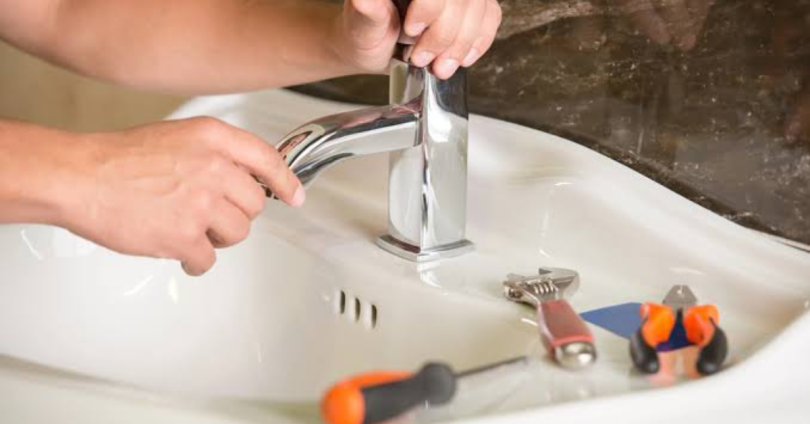
Leaking faucets are among the most common household plumbing problems. Faucets are used frequently throughout the day, and components such as washers, O-rings, cartridges, and seals can wear out over time. As these parts deteriorate, even a small drip can develop into a persistent leak.
Although a dripping faucet may seem like a minor inconvenience, ongoing leaks can waste water, increase utility bills, and potentially cause mineral buildup or damage to the surrounding fixture and surfaces. Understanding the causes and warning signs of leaking faucet problems can help homeowners address them before they become more costly.
In this article, we’ll explain the common causes and signs of faucet leaks, discuss how to troubleshoot and fix different types of leaks, and share practical tips for preventing future faucet problems.
What Is a Leaking Faucet?
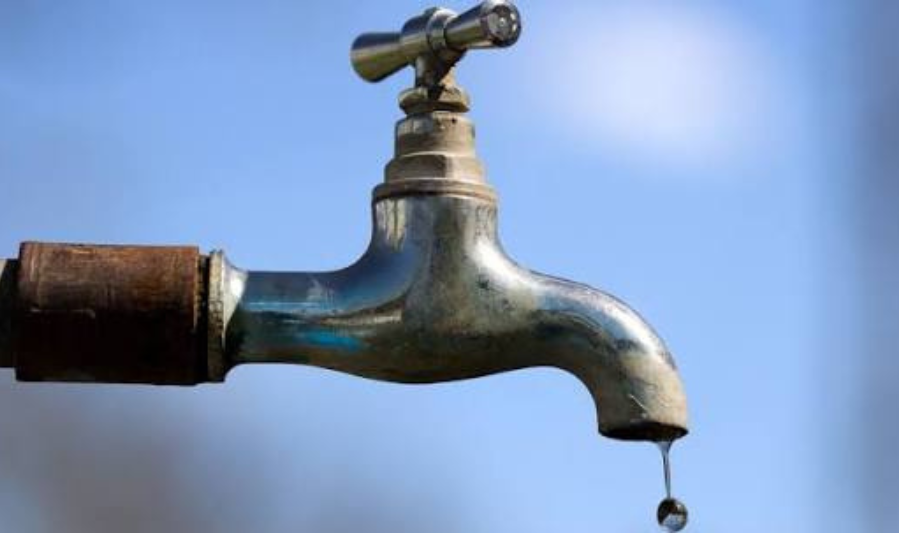
A leaking faucet is a plumbing fixture that allows water to escape when it should be completely shut off or contained within the faucet. The leak may appear as a steady drip from the spout or as moisture around the handle, base, or connections.
Dripping Spout vs. Leak Around the Handle or Base
A dripping spout occurs when water continues to come out of the faucet after it has been turned off. This is often related to a worn washer, damaged cartridge, or another internal sealing component.
A leak around the handle or base occurs when water escapes from another part of the faucet rather than the spout. Damaged O-rings, loose components, worn seals, or corrosion can contribute to these types of leaks.
Identifying where the water is coming from can help determine which component may need inspection or replacement.
Common Types of Household Faucets
Several types of faucets are commonly found in homes, including:
- Compression faucets: Typically have separate hot and cold handles and use washers to control water flow.
- Cartridge faucets: Use a cartridge inside the faucet body to regulate water flow and temperature.
- Ball faucets: Usually have a single handle and use a ball mechanism to control the water supply.
- Ceramic-disc faucets: Use ceramic discs to control water flow and temperature and are generally designed for durability.
Because faucet designs and internal components vary, the correct repair method depends on the type of faucet and the location of the leak.
Common Types of Faucets
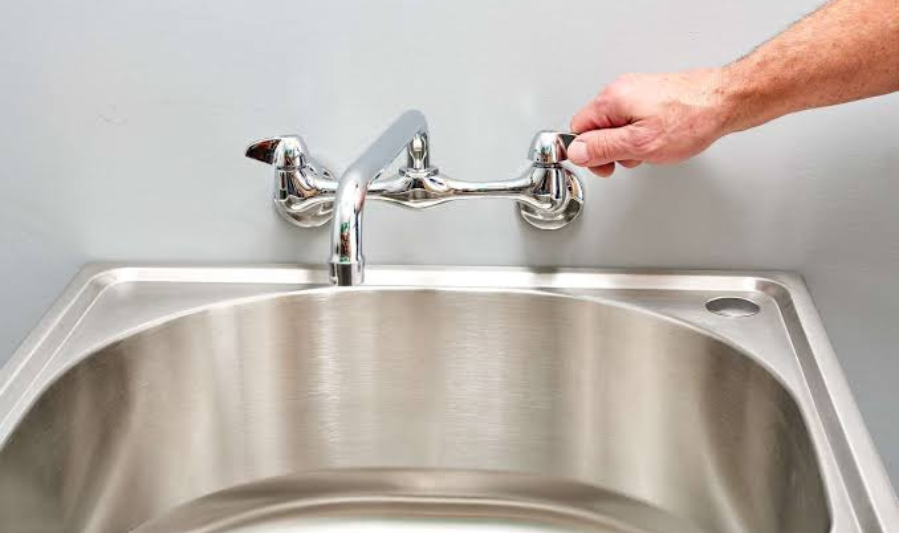
Different faucets use different internal mechanisms to control water flow. Identifying the faucet type can help homeowners understand where a leak may originate and which component may require repair or replacement.
3.1 Compression Faucets
Compression faucets are a traditional design that typically uses separate handles for hot and cold water. Turning the handle raises or lowers a stem, which presses a washer against a valve seat to control the flow.
Common leak points include the spout and around the handle. A worn or damaged washer is a frequent cause of a dripping spout, while worn packing or seals can contribute to leaks around the handle.
3.2 Ball Faucets
Ball faucets usually have a single handle and use a rounded internal ball mechanism to control water flow and temperature.
Common causes of leaks include worn springs, rubber seals, O-rings, or damage to the internal ball assembly. Mineral deposits and general wear can also affect the faucet’s ability to create a proper seal.
3.3 Cartridge Faucets
Cartridge faucets use an internal cartridge to control the flow and temperature of water. Moving the handle adjusts the cartridge, allowing water to pass through the appropriate openings.
Common cartridge-related leaks include persistent dripping from the spout or water leaking around the handle. A worn, damaged, or improperly seated cartridge may prevent the faucet from shutting off completely.
3.4 Ceramic-Disc Faucets
Ceramic-disc faucets use two precisely fitted ceramic discs to regulate water flow and temperature. Moving the handle changes the alignment of the discs, controlling the amount of water that passes through.
These faucets are generally durable, but worn seals, damaged discs, or cartridge-related problems can eventually cause leaks. Mineral deposits can also interfere with the smooth operation or sealing of the internal components.
Because each faucet type has different internal parts, identifying the design before attempting a repair can help ensure the correct replacement components are used.
Common Causes of Leaking Faucet Problems
Leaking faucet problems can develop when internal components wear out, connections become loose, or corrosion affects the faucet’s ability to create a watertight seal. Identifying the specific cause is important because the appropriate repair depends on the faucet design and the damaged component.
4.1 Worn-Out Washer
Washers are used in certain faucet designs to create a seal that stops water from flowing when the faucet is turned off. Over time, a washer can become compressed, cracked, hardened, or worn.
A damaged washer may no longer press tightly against the valve seat, allowing water to pass through and causing a persistent drip from the spout. Replacing the washer with the correct size and type can often resolve this type of leak.
4.2 Damaged O-Ring
An O-ring is a small rubber or elastomer seal used to prevent water from escaping around moving or connected faucet components.
Signs of O-ring failure can include:
- Water leaking around the handle
- Moisture around the faucet base
- A loose or unusually stiff handle
- Cracked, flattened, or deteriorated O-rings
Replacing a damaged O-ring with a compatible replacement can restore the seal and stop the leak.
4.3 Faulty Cartridge
Cartridge faucets rely on an internal cartridge to regulate water flow and temperature. If the cartridge becomes worn, cracked, damaged, or affected by mineral buildup, it may no longer shut off the water completely.
Common signs include a faucet that continues dripping after being turned off or water leaking around the handle. If cleaning or basic adjustments do not resolve the problem, the cartridge may need to be replaced with the correct model.
4.4 Loose Components
Loose handles, nuts, fittings, or other faucet components can allow water to escape from the fixture.
Carefully tightening an accessible loose component may stop a minor leak. However, avoid overtightening, as excessive force can damage threads, seals, or the faucet itself. If tightening does not solve the problem, another component may be worn or damaged.
4.5 Corrosion
Corrosion can affect faucet bodies, valves, connections, screws, and other internal components. Corroded parts may become weakened or unable to form a reliable seal.
Minor surface buildup may sometimes be cleaned, but extensive corrosion can make repairs unreliable. If the faucet body or important internal components are severely corroded, replacing the entire faucet may be more practical than repeatedly replacing individual parts.
4.6 Damaged Valve Seat or Seal
A valve seat or sealing surface helps create a watertight barrier when the faucet is closed. Depending on the faucet design, this area may work together with a washer, cartridge, disc, or other internal component.
Wear, corrosion, mineral deposits, or physical damage can prevent the seal from closing properly and contribute to persistent dripping. If replacing a washer or other sealing component does not stop the leak, the valve seat or another internal sealing surface may require inspection or repair.
Because faucet mechanisms vary considerably, persistent leaks are best diagnosed by identifying both the faucet type and the exact location of the water escape.
Signs of a Leaking Faucet
A faucet leak is not always limited to a visible drip from the spout. Water can also escape around the handle, base, or internal components. Recognizing these warning signs early can help prevent water waste and further damage.
Constant Dripping
A faucet that continues dripping after it has been fully turned off may have a worn washer, damaged cartridge, faulty seal, or another internal problem. Even a slow, occasional drip should be investigated if it continues.
Water Around the Handle
Moisture or droplets around the faucet handle can indicate a worn O-ring, damaged seal, loose component, or other internal leak. Water that repeatedly appears in this area should not be ignored.
Water Around the Faucet Base
Water pooling around the base of a faucet may indicate a damaged seal, loose connection, deteriorated O-ring, or corrosion. Persistent moisture can also damage the surrounding countertop or cabinet materials.
Rust or Mineral Deposits
Rust, white mineral deposits, or crusty buildup around the faucet can indicate prolonged exposure to leaking water. These deposits may also interfere with the faucet’s seals and moving components.
Difficulty Turning the Handle
A handle that becomes unusually stiff, loose, or difficult to operate may indicate mineral buildup, worn internal parts, or damage to the faucet mechanism. Continued use can potentially worsen the underlying problem.
Unusual Noises
Whistling, squealing, rattling, or other unusual sounds when the faucet is running can indicate restricted water flow, worn components, or another issue inside the fixture.
Inconsistent Water Flow
Water that sputters, fluctuates, or does not flow consistently may be associated with mineral buildup, damaged internal components, or a problem with the faucet’s cartridge or valve mechanism.
If several of these signs occur together, inspecting the faucet promptly can help identify the source of the leak and determine whether a component repair or complete faucet replacement is appropriate.
Where Can a Faucet Leak?
Identifying exactly where water is escaping from a faucet can provide useful clues about the underlying problem. Different leak locations often point to different worn or damaged components.
Leak From the Spout
A drip from the faucet spout usually occurs when the internal mechanism is no longer creating a complete seal.
Common causes include:
- Worn-out washers
- Faulty cartridges
- Damaged valve components
- Mineral buildup or corrosion
For some faucet designs, replacing the worn washer or cartridge may resolve the leak. If internal components are severely damaged or corroded, replacing the faucet may be more practical.
Leak From the Handle
Water leaking around the handle is often associated with a worn O-ring, seal, or cartridge. Loose components can also allow water to escape when the faucet is operated.
Inspecting and replacing the appropriate O-ring, seal, or cartridge may correct the problem, depending on the faucet design.
Leak From the Base
Water appearing around the base of the faucet may indicate a deteriorated seal, damaged O-ring, loose connection, or corrosion.
Cleaning away mineral deposits and checking accessible connections may help identify the source. If the seal or faucet body is damaged, the affected component may need replacement.
Leak Under the Sink
Water underneath the sink is often related to the faucet’s supply lines, shutoff valves, or connections rather than the faucet mechanism itself.
Check accessible connections for moisture, dripping, corrosion, or loose fittings. A loose connection may sometimes be tightened carefully, while cracked supply lines, damaged valves, or deteriorated connections generally require replacement.
If the source of the leak is unclear or water is reaching cabinets, flooring, or electrical components, professional inspection can help identify and address the problem safely.
Why Should You Fix a Leaking Faucet?
A leaking faucet may seem like a minor plumbing issue, but leaving it unrepaired can lead to ongoing water waste and damage. Addressing the leak promptly can help protect both the plumbing fixture and the surrounding areas of your home.
Water Waste
A faucet that drips continuously can waste water over time. While an occasional drop may seem insignificant, a persistent leak can add up to a substantial amount of wasted water.
Higher Water Bills
The additional water used by a leaking faucet can contribute to higher water bills. Repairing the source of the leak can help prevent unnecessary water consumption.
Cabinet and Countertop Damage
Leaks around a faucet base or underneath a sink can expose cabinets, countertops, and other materials to moisture. Prolonged exposure may cause swelling, staining, deterioration, or other water-related damage.
You may also like to read these posts:
Common Plumbing Problems at Home: Causes, Solutions & Prevention Tips
Water Leaking From Pipes: Causes, Warning Signs & How to Fix It
Low Water Pressure Problems: Causes, Solutions & Prevention Tips
Clogged Drain Problems: Common Causes, Easy Fixes & Prevention Tips
Mold and Mildew Risk
Consistent moisture around a leaking faucet or beneath a sink can create conditions that encourage mold and mildew growth. Keeping the area dry and repairing the leak can help reduce this risk.
Corrosion
Continuous exposure to water can accelerate corrosion of metal faucet components, supply connections, valves, and other plumbing parts. Corrosion can make future repairs more difficult and may eventually require component replacement.
Potentially Larger Plumbing Problems
A small faucet leak can sometimes be an early indication of worn seals, deteriorated components, loose connections, or other plumbing issues. Ignoring the problem may allow the underlying damage to worsen.
Repairing a leaking faucet early is generally a straightforward way to reduce water waste and protect the surrounding plumbing and household materials.
How to Fix Leaking Faucet Problems
Fixing a leaking faucet starts with identifying where the water is escaping and which internal component is responsible. The repair method varies depending on the faucet design, so taking the time to identify the fixture before disassembling it can help prevent unnecessary damage.
Step 1: Turn Off the Water Supply
Before working on a faucet, shut off its water supply.
- Locate the shutoff valve: Look for the individual shutoff valves beneath the sink. If they are not accessible or do not stop the water, the home’s main water shutoff may be necessary.
- Release pressure safely: After turning off the supply, open the faucet briefly to release remaining water pressure and allow water in the lines to drain.
Place a towel or container beneath the connections to catch any remaining water.
Step 2: Identify the Faucet Type
Determine whether the faucet is a compression, ball, cartridge, or ceramic-disc design.
Faucet type matters because each design uses different internal components and requires a different repair procedure. For example, a compression faucet may use a replaceable washer, while a cartridge faucet may require a specific replacement cartridge.
Step 3: Locate the Leak
Carefully identify where the water is escaping before removing any components.
Check the:
- Spout for continuous dripping
- Handle for moisture or water movement
- Base for pooling or seepage
- Supply connections beneath the sink for dripping or dampness
The leak location can provide clues about which component needs attention.
Step 4: Inspect Internal Components
Once the water is shut off and the appropriate faucet components are accessible, inspect them for signs of wear or damage.
Depending on the faucet design, check the:
- Washer for cracking, hardening, or wear
- O-rings for flattening, cracks, or deterioration
- Cartridge for damage, wear, or mineral buildup
- Seals for deterioration or loss of flexibility
Avoid forcing components that are stuck due to corrosion or mineral buildup, as this can damage the faucet.
Step 5: Replace the Damaged Component
Replace the worn or damaged component with a correctly sized and compatible replacement part.
If replacing a washer, O-ring, cartridge, or seal, use the faucet manufacturer’s specifications or a matching component designed for that particular model. Installing an incorrect part may fail to stop the leak or could cause additional problems.
If the faucet body or major internal components are severely corroded or damaged, replacing the entire faucet may be more practical than repairing individual parts.
Step 6: Reassemble and Test
After replacing the damaged component, carefully reassemble the faucet and restore the water supply.
- Open the shutoff valve gradually.
- Turn the faucet on and off several times.
- Check the spout, handle, base, and connections for signs of leaking.
- Inspect underneath the sink for any moisture or dripping.
If the faucet continues to leak after the repair, the wrong component may have been installed, another internal part may be damaged, or the faucet may require replacement. Persistent or difficult-to-diagnose leaks are best evaluated by a qualified plumber.
Can You Fix a Leaking Faucet Yourself?
Some leaking faucet problems can be handled as basic DIY repairs, particularly when the leak is easy to access and the damaged component is straightforward to identify. However, more complicated or recurring leaks may require professional plumbing assistance.
DIY Repairs May Include
Homeowners with basic plumbing skills may be able to handle simple repairs such as:
- Replacing a washer: Traditional compression faucets may use washers that can be replaced when they become worn or damaged.
- Replacing an O-ring: A deteriorated O-ring around a handle or other component can often be replaced with a compatible part.
- Cleaning mineral buildup: Removing mineral deposits from accessible faucet components can sometimes restore proper operation and sealing.
- Replacing a simple cartridge: Some cartridge faucets can be repaired by removing the old cartridge and installing the correct replacement.
Before beginning any repair, shut off the water supply and confirm that the replacement component is compatible with the faucet.
Professional Help May Be Needed For
Some situations are better handled by a qualified plumber, particularly when the cause of the leak is uncertain or the repair involves more than a simple component replacement.
Professional help may be appropriate for:
- Severe corrosion: Heavily corroded components can be difficult to remove and may break during disassembly.
- Hidden leaks: Water escaping inside walls, ceilings, cabinets, or other inaccessible areas may require specialized inspection.
- Damaged shutoff valves: A valve that is stuck, leaking, or severely corroded may require replacement.
- Complicated faucet designs: Some modern or specialized faucets contain components that are difficult to identify or replace without manufacturer-specific knowledge.
- Recurring leaks: If a faucet continues leaking after a repair, there may be another damaged component or a larger plumbing issue.
If you are unsure of the faucet type, cannot safely shut off the water, or encounter significant corrosion or damage, professional assistance can help prevent further damage to the fixture and surrounding plumbing.
Faqs:
What causes leaking faucet problems?
Common causes include worn-out washers, damaged O-rings, faulty cartridges, loose components, damaged seals, and corrosion inside the faucet.
Can a leaking faucet increase my water bill?
Yes. A continuously dripping faucet can waste water over time, which may increase your water usage and utility bill.
How do I stop a faucet from leaking?
Turn off the water supply and identify the source of the leak. Depending on the faucet type, replacing a worn washer, O-ring, cartridge, or seal may solve the problem.
Can I fix a leaking faucet myself?
Minor leaks may be repaired by replacing simple components such as washers or O-rings. If the faucet is badly corroded or the leak continues, professional help may be needed.
When should I replace a leaking faucet?
Consider replacing a faucet when it is severely corroded, repeatedly develops leaks, has several damaged components, or suitable replacement parts are no longer available.
Conclusion
Leaking faucet problems may seem small, but they can waste water, increase utility bills, and cause damage if left untreated. Common causes include worn washers, damaged O-rings, faulty cartridges, loose parts, and corrosion. Regular inspection and timely repairs can help prevent bigger plumbing issues. If the leak is persistent, severe, or difficult to locate, consider contacting a qualified plumber.