
Introduction
Pipe leaks are a common household plumbing issue that can develop for many reasons, including aging pipes, corrosion, loose connections, high water pressure, or accidental damage. Because some leaks occur behind walls, beneath floors, or in other hidden areas, they may go unnoticed until visible signs of water damage appear.
Even a small leak can waste water over time and potentially cause costly damage to walls, ceilings, flooring, cabinets, and other parts of your property. Understanding the early warning signs of water leaking from pipes can help homeowners identify problems and take action before they become more serious.
In this article, we’ll explain the common causes and signs of pipe leaks, discuss the potential damage they can cause, and cover practical ways to identify, prevent, and address leaking pipes in your home.
What Does Water Leaking From Pipes Mean?
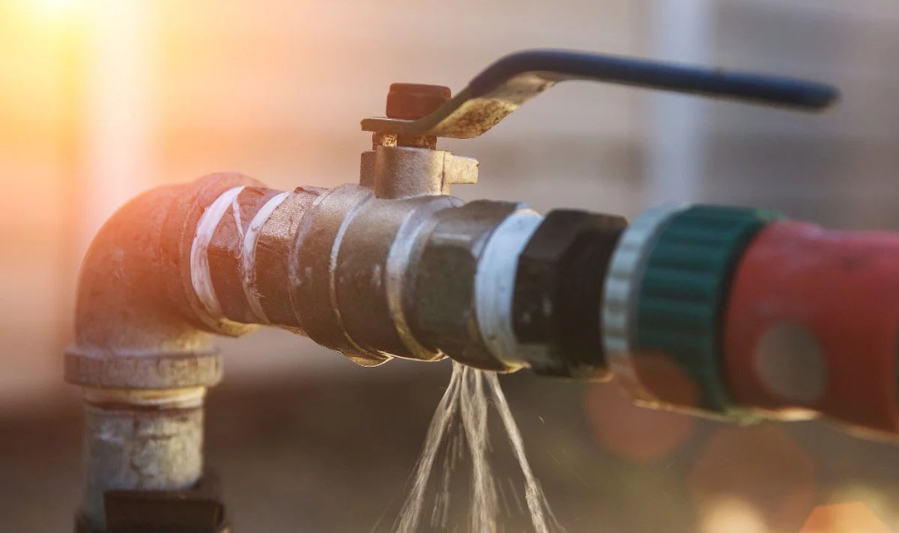
Water leaking from pipes means that water is escaping from a plumbing pipe, joint, fitting, or connection instead of flowing through the system as intended. Pipe leaks can range from small drips to larger breaks that release significant amounts of water. They may develop because of corrosion, aging plumbing, high water pressure, loose connections, or physical damage.
Visible vs. Hidden Pipe Leaks
A visible pipe leak is relatively easy to identify because water can be seen dripping or pooling around exposed pipes, fittings, or plumbing fixtures. For example, you may notice a leak underneath a kitchen or bathroom sink.
A hidden pipe leak occurs in an area that is not easily accessible, such as behind a wall or underneath a floor. These leaks may not be immediately visible and can instead cause warning signs such as damp spots, water stains, musty odors, mold growth, or unexpectedly high water bills.
Why Early Detection Is Important
Detecting a pipe leak early can help reduce water waste and limit property damage. A small leak that continues for weeks or months can allow moisture to accumulate inside walls, floors, ceilings, or cabinets. Promptly identifying and repairing the source can help prevent more extensive damage and potentially more expensive repairs.
Common Areas Where Pipe Leaks Occur
Pipe leaks can occur in many parts of a home, but some areas are more prone to problems than others:
- Under sinks: Connections, supply lines, valves, and drain pipes can loosen, corrode, or develop leaks.
- Behind walls: Water supply pipes hidden inside walls can leak without being immediately visible.
- Under floors: Damaged or deteriorating pipes beneath flooring can release water into surrounding materials.
- Near water heaters: Connections, valves, and nearby plumbing can develop leaks around water heaters.
- In basements or utility areas: Exposed pipes and plumbing connections in these areas may be vulnerable to corrosion, damage, or loose fittings.
Regularly checking accessible plumbing areas and responding quickly to signs of moisture can make it easier to identify leaks before they cause significant problems.
Common Causes of Water Leaking From Pipes

There are several reasons why water leaking from pipes can occur in a home. Some leaks develop gradually because of age and corrosion, while others result from excessive pressure, temperature changes, loose connections, or physical damage. Understanding these common causes can help homeowners recognize problems early and determine when professional repairs may be needed.
3.1 Corrosion and Rust
Metal pipes can deteriorate over time when they are exposed to water, minerals, oxygen, and other conditions that promote corrosion. As the pipe walls become thinner and weaker, small pinhole leaks or larger breaks may eventually develop.
Warning signs of corrosion may include:
- Rust or discoloration on exposed pipes
- Green, white, or brown deposits around pipe connections
- Reduced water flow
- Discolored water
- Small damp spots or recurring leaks
Older metal plumbing is generally more susceptible to corrosion, particularly when the pipes have been in service for many years.
3.2 Loose Connections
Pipe joints and fittings connect different sections of a plumbing system. Over time, these connections can loosen because of normal movement, vibration, temperature changes, or deterioration of sealing materials.
Leaks from loose connections commonly occur around:
- Under-sink plumbing
- Faucet and toilet supply connections
- Water heater connections
- Pipe joints and fittings
- Washing machine supply lines
A small amount of moisture around a fitting should not be ignored, as continued leakage can damage surrounding materials.
3.3 High Water Pressure
Excessive water pressure can place additional stress on pipes, joints, valves, and plumbing fixtures. While pipes are designed to handle normal operating conditions, consistently high pressure can contribute to premature wear and leaks.
Signs that water pressure may be contributing to plumbing problems include:
- Frequently dripping or leaking faucets
- Noisy pipes
- Leaking connections
- Sudden failures of plumbing fixtures or supply lines
- Water pressure that feels unusually strong
If you suspect excessive water pressure, a plumber can measure the pressure and determine whether a pressure-regulating device or other repair is needed.
3.4 Aging or Damaged Pipes
As plumbing systems age, pipes can become weakened by corrosion, mineral buildup, repeated stress, or general deterioration. Physical damage from construction, impact, or other causes can also create cracks or weak points.
Older pipes may show signs such as:
- Frequent leaks
- Rust or visible deterioration
- Reduced water flow
- Discolored water
- Cracks or damaged sections
Replacement may be necessary when pipes are extensively corroded, repeatedly leaking, severely damaged, or no longer reliable. In some cases, replacing an entire section or plumbing system may be more practical than repeatedly repairing individual leaks.
3.5 Temperature Changes
Extreme temperature changes can place stress on plumbing materials. In freezing conditions, water inside a pipe can freeze and expand, increasing pressure within the pipe and potentially causing cracks or ruptures.
Plumbing materials can also expand and contract as temperatures change. Repeated expansion and contraction may gradually put stress on joints and connections.
To reduce the risk of cold-weather pipe damage, exposed plumbing in areas susceptible to freezing should be properly insulated and protected.
3.6 Clogged Pipes
Blockages can restrict normal water flow and, depending on where the obstruction occurs, contribute to increased pressure within portions of the plumbing system. This additional stress can put pressure on weak joints, fittings, or already damaged pipes.
Clogged drains and plumbing leaks can therefore sometimes occur together. For example, a severe blockage may place additional stress on an aging or weakened section of pipe, while an existing damaged pipe can also contribute to recurring drainage problems.
If a clog keeps returning, multiple drains are affected, or you notice water leaking around pipes while a drain is blocked, professional inspection can help identify whether a deeper plumbing problem is involved.
Common Signs of a Leaking Pipe
A leaking pipe is not always easy to spot, especially when the damaged section is hidden behind a wall or beneath a floor. However, your home may show several warning signs that indicate a plumbing leak. Recognizing these signs early can help prevent water waste and more extensive property damage.
Unexplained Increase in Water Bills
A sudden increase in your water bill without a significant change in household usage can indicate a hidden plumbing leak. If your water consumption appears unusually high, checking for leaks can help identify the cause.
Damp Spots on Walls or Ceilings
Damp, soft, or unusually discolored areas on walls and ceilings may indicate water escaping from a nearby pipe. Hidden leaks can allow moisture to accumulate inside building materials before the source becomes visible.
Water Stains or Discoloration
Brown, yellow, or dark stains on walls, ceilings, or floors can be signs of ongoing or previous water leakage. These marks should be investigated, particularly if they grow or reappear after being cleaned.
Musty Odors
A persistent musty or damp smell may indicate excess moisture in an enclosed area. Hidden pipe leaks can create damp conditions behind walls, under floors, or inside cabinets where odors may develop.
Visible Dripping or Puddles
Visible drops of water around exposed pipes, plumbing fixtures, cabinets, or utility areas are an obvious indication of a leak. Puddles that appear without an identifiable source should also be investigated promptly.
Mold or Mildew
Mold or mildew can develop when an area remains consistently damp. If mold repeatedly appears near plumbing fixtures, walls, ceilings, or under sinks, an underlying water leak may be contributing to the moisture.
Low Water Pressure
A noticeable drop in water pressure can sometimes be associated with a leaking or damaged water supply pipe. However, low pressure can have other causes, such as clogged fixtures, partially closed valves, or problems with the water supply.
Sounds of Running Water When Fixtures Are Off
If you hear dripping, hissing, or the sound of running water when faucets, showers, toilets, and other fixtures are not being used, there may be a hidden leak. Listening carefully during quiet periods can sometimes help reveal a problem that is otherwise difficult to see.
If you notice several of these signs at the same time, it is worth investigating the plumbing system promptly. Early detection can help limit water waste and reduce the risk of damage to walls, ceilings, floors, and other parts of the home.
Visible vs. Hidden Pipe Leaks
Pipe leaks can be either easy to spot or hidden from view. Understanding the difference can help homeowners recognize potential plumbing problems and take action before a small leak becomes a major issue.
Visible Leaks
Visible leaks are leaks that can be seen around exposed pipes, plumbing fixtures, or connections. They may appear as dripping water, small puddles, or moisture around a pipe joint.
Common locations for visible leaks include:
- Under kitchen and bathroom sinks
- Around toilet and faucet connections
- Near water heaters
- Around exposed supply pipes
- In basements, garages, or utility areas
Even when a leak is easy to see, it should be repaired quickly. Continuous dripping or pooling water can waste water, damage cabinets and flooring, encourage mold growth, and cause corrosion or deterioration of nearby materials.
Hidden Leaks
Hidden leaks occur in areas that are difficult to access, such as behind walls, above ceilings, beneath floors, or inside enclosed spaces. Because the damaged pipe cannot be seen directly, these leaks may continue for an extended period before they are discovered.
Common warning signs of a hidden leak include:
- Damp or discolored walls and ceilings
- Water stains that grow or reappear
- Musty or damp odors
- Mold or mildew growth
- Peeling paint or damaged wallpaper
- Warped flooring or swollen materials
- Unexplained increases in water bills
- Sounds of running or dripping water when fixtures are off
Hidden leaks can cause extensive damage because moisture may accumulate inside walls, ceilings, insulation, flooring, and other building materials. If left untreated, prolonged exposure to moisture can contribute to mold growth, material deterioration, and costly repairs.
If you suspect a hidden pipe leak, identifying and repairing the source as soon as possible can help limit water damage and prevent the problem from becoming more serious.
What to Do When You Notice a Pipe Leak
Discovering a pipe leak can be stressful, but taking quick action can help reduce water waste and limit property damage. If you notice dripping water, a puddle, damp walls, or another sign of a plumbing leak, follow these steps.
Step 1: Turn Off the Water
Start by stopping the water supply if the leak is active or releasing a significant amount of water.
- Locate the fixture shutoff valve: If the leak is coming from a toilet, sink, or another individual fixture, turn off its nearby shutoff valve if one is accessible.
- Use the main shutoff valve: If the source cannot be isolated or the leak is coming from a supply pipe, you may need to shut off the home’s main water supply.
- When to shut off the water: Turn off the water when a leak is actively causing water to escape, when you cannot identify the source, or when the leak appears likely to cause further damage.
If water is near electrical outlets, appliances, or electrical equipment, avoid contact with the water and seek appropriate professional assistance.
Step 2: Protect Your Property
Once the water supply is controlled, take reasonable steps to limit damage to your belongings and surrounding areas.
- Move furniture and valuables: Remove furniture, electronics, documents, and other valuable items from areas affected by water.
- Place a container under accessible leaks: Use a bucket, bowl, or other suitable container to collect dripping water from an exposed pipe.
- Remove standing water where possible: Use towels, a mop, or a suitable wet vacuum if it is safe to do so. Promptly drying affected areas can help reduce further moisture damage.
Step 3: Identify the Source
If it is safe, inspect accessible plumbing to determine where the water is coming from.
- Check accessible pipes and fittings: Look under sinks, around valves, near water heaters, and at other exposed connections for dripping water, moisture, corrosion, or damaged components.
- Avoid unnecessary damage when searching for hidden leaks: Do not immediately cut into walls, ceilings, or floors simply to locate a suspected leak. Hidden leaks may require specialized equipment and professional inspection to identify accurately.
Step 4: Arrange a Repair
Once the immediate water flow has been controlled, arrange for the leak to be properly repaired.
Professional help may be necessary when:
- The leak is inside a wall, ceiling, or floor.
- A pipe is cracked, severely corroded, or badly damaged.
- The source of the leak cannot be identified.
- Water damage is extensive.
- The leak continues after basic shutoff measures.
- Multiple leaks or recurring plumbing problems are present.
Temporary measures may help control a minor leak until repairs can be completed, but they should not be considered a permanent solution for serious pipe damage. A proper repair addresses the underlying cause and helps prevent the leak from returning.
You may also like to read these posts:
Common Plumbing Problems at Home: Causes, Solutions & Prevention Tips
Water Leaking From Pipes: Causes, Warning Signs & How to Fix It
How to Fix Water Leaking From Pipes
The best way to fix water leaking from pipes depends on the location, severity, and underlying cause of the leak. A minor leak at an accessible connection may require a simple repair, while severely damaged or hidden plumbing may need professional replacement.
Tightening Loose Connections
If a leak is coming from a loose fitting or connection, carefully tightening the connection may stop the leak. Avoid overtightening, as excessive force can damage fittings, threads, or other plumbing components.
Replacing Damaged Fittings
Cracked, corroded, or worn fittings may need to be replaced rather than tightened. This can include connectors, valves, couplings, or other components that are no longer creating a reliable seal.
Repairing Small Accessible Sections
For minor damage on an accessible pipe, a suitable repair may be possible without replacing the entire plumbing line. The damaged section should be properly isolated and repaired using components compatible with the existing plumbing system.
Replacing Severely Damaged or Corroded Pipe Sections
If a pipe is extensively corroded, cracked, brittle, or repeatedly leaking, replacing the affected section may provide a more reliable long-term solution. In older plumbing systems, multiple damaged areas may indicate that a larger portion of the system requires evaluation.
Addressing the Underlying Cause
Repairing the visible leak is only part of the solution. The underlying cause should also be addressed to reduce the risk of another leak. This may involve correcting excessive water pressure, replacing deteriorated components, protecting pipes from freezing temperatures, or addressing corrosion and aging plumbing.
Why the Correct Repair Depends on Pipe Material and Leak Location
There is no single repair method that works for every pipe. Plumbing systems can use different materials, such as copper, PVC, CPVC, PEX, or galvanized steel, and each material has specific connection methods and compatible repair components.
The location of the leak also affects the repair. An exposed leak under a sink may be relatively straightforward to access, while a leak behind a wall, beneath flooring, or near a foundation may require specialized inspection and more extensive work.
For this reason, homeowners should choose repair methods and replacement components that are appropriate for the existing pipe material and plumbing system. When the leak is hidden, severe, recurring, or difficult to access, a qualified plumber can identify the source and determine the appropriate permanent repair.
Faqs:
What causes water leaking from pipes?
Common causes include corrosion, loose connections, damaged or aging pipes, high water pressure, temperature changes, and blockages.
How do I know if I have a hidden pipe leak?
Signs of a hidden leak may include unexplained increases in your water bill, damp walls or ceilings, water stains, musty odors, mold growth, or the sound of running water when no fixtures are being used.
Can a leaking pipe cause serious damage?
Yes. An untreated leak can damage walls, ceilings, floors, cabinets, and other parts of your home. Long-term moisture can also contribute to mold and mildew.
Can I fix a leaking pipe myself?
Minor leaks in accessible areas may sometimes be repaired with basic plumbing skills. However, hidden, major, or recurring leaks should be inspected and repaired by a qualified plumber.
How can I prevent water leaking from pipes?
Regularly inspect exposed pipes, repair small leaks promptly, monitor water pressure, protect pipes from extreme temperatures, and maintain older plumbing systems to reduce the risk of leaks.
Conclusion
Water leaking from pipes can quickly turn into a serious problem if it is ignored. Early signs such as damp spots, unusual water bills, low water pressure, or visible dripping should be addressed as soon as possible. Regular plumbing maintenance and timely repairs can help prevent water damage and costly repairs. For hidden, major, or recurring leaks, contacting a qualified plumber is the safest option.