Introduction
A water heater plays an important role in everyday household activities by providing hot water for bathing, washing dishes, cleaning, and other routine tasks. When the system develops a problem, even simple activities can become inconvenient and may be affected by inconsistent or insufficient hot water.
Common water heater plumbing problems can include leaks, unusual noises, low hot-water pressure, inconsistent temperatures, and a lack of hot water. Some issues may be caused by routine wear and buildup, while others can involve plumbing connections, valves, or internal components.
In this article, we’ll explore the common signs and causes of water heater problems, explain basic troubleshooting and maintenance steps, and discuss when professional inspection or repair may be necessary.
What Are Water Heater Plumbing Problems?
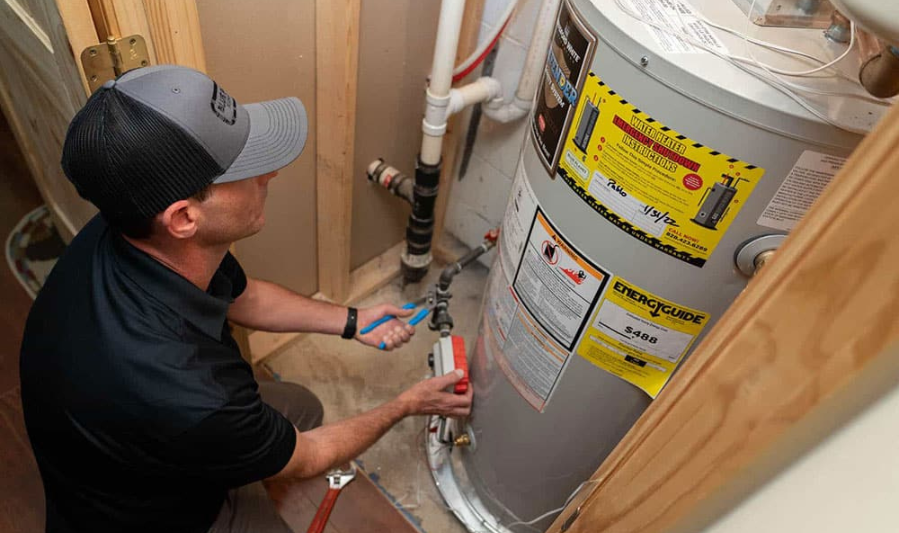
Water heater plumbing problems are issues that affect the water heater itself or the plumbing components that supply and distribute hot water throughout the home. These problems can lead to leaks, reduced hot-water flow, inconsistent temperatures, or a complete lack of hot water.
Water Heater Issue vs. Plumbing Issue Connected to the Heater
A water heater issue originates within the appliance itself. Depending on the type of heater, this may involve the tank, heating components, thermostat, controls, or other internal parts.
A plumbing issue connected to the water heater occurs in the pipes, valves, fittings, or hot-water lines attached to the appliance. For example, a loose connection on the water supply pipe can cause a leak even when the water heater itself is functioning normally.
Distinguishing between these two types of problems is important because the appropriate repair depends on where the fault occurs.
Common Components Involved
Several plumbing components can be involved in water heater problems, including:
- Water supply pipes: These bring cold water into the heater and can develop leaks, corrosion, or connection problems.
- Valves: Shutoff and other valves control water flow and may become stuck, damaged, or leaky.
- Fittings: Connections between pipes and the heater can loosen, corrode, or develop leaks.
- Tank: Storage water heaters contain a tank that can deteriorate or leak as it ages.
- Temperature and pressure relief valve: This safety component helps protect the tank from excessive temperature or pressure and may leak or require inspection if it is not functioning properly.
- Hot-water lines: These pipes carry heated water from the heater to faucets, showers, and other fixtures and can develop restrictions or leaks.
Because several components work together, identifying the exact source of a water heater problem is an important first step before attempting a repair.
Common Types of Water Heaters

Water heaters come in several designs, and each type has different operating principles and maintenance requirements. Understanding the type installed in your home can make it easier to recognize potential plumbing problems and determine when professional service is needed.
3.1 Traditional Tank Water Heaters
Traditional tank water heaters store a supply of water in an insulated tank and heat it so hot water is available when needed. As hot water is used, cold water enters the tank and is heated again.
Common plumbing issues include:
- Leaking supply connections or fittings
- Corrosion around the tank or connections
- Sediment buildup
- Faulty valves
- Leaking temperature and pressure relief valves
- A damaged or deteriorating tank
Regular inspection can help identify leaks and other problems before they cause significant water damage.
3.2 Tankless Water Heaters
Tankless water heaters heat water as it passes through the unit rather than storing a large volume of heated water. When a hot-water fixture is opened, the system activates and heats the water as it flows.
Common plumbing and flow-related issues include:
- Restricted water flow
- Mineral buildup inside the heat exchanger
- Clogged inlet filters
- Incorrect or insufficient water flow
- Leaking connections
- Fluctuating hot-water temperatures
Tankless systems may require periodic maintenance, particularly in areas with hard water, to reduce mineral buildup and maintain proper performance.
3.3 Electric Water Heaters
Electric water heaters use electrical heating elements to heat water. They are available in both traditional tank-style and some specialized configurations.
Common problems can include:
- Leaking pipes or fittings
- Faulty temperature controls
- Mineral or sediment buildup
- Damaged heating elements
- Inadequate hot-water supply
- Tank corrosion in storage models
Electrical components should be handled carefully. If troubleshooting requires opening electrical compartments or working on wiring, professional service is recommended.
3.4 Gas Water Heaters
Gas water heaters use a gas burner to heat the water. They may be available as conventional storage-tank systems or other gas-powered configurations.
Common plumbing-related problems can include leaking connections, faulty valves, sediment buildup, and inconsistent hot-water delivery.
Safety is particularly important with gas water heaters. Problems involving the gas supply, burner, venting, or combustion system can create serious hazards. Do not attempt to modify gas connections, bypass safety controls, or work on combustion and venting components unless you are properly qualified to do so.
If you smell gas, leave the area and follow your local gas supplier’s emergency procedures. Gas-related problems should be evaluated by an appropriately qualified professional.
Most Common Water Heater Plumbing Problems
Water heater problems can affect hot-water availability, temperature, pressure, and overall household comfort. Some issues are relatively simple, while others can indicate damaged plumbing or a failing water heater. Identifying the symptoms can help determine the appropriate next step.
4.1 No Hot Water
A complete lack of hot water can have different causes depending on the type of water heater.
For gas water heaters, possible causes include a problem with the burner, ignition system, gas supply, or safety controls. For electric water heaters, a tripped circuit breaker, faulty heating element, thermostat problem, or electrical fault may be responsible.
Basic troubleshooting can include checking whether the unit has power, confirming that the appropriate controls are set correctly, and checking for obvious plumbing leaks. Avoid opening electrical compartments or attempting to repair gas components unless you are properly qualified.
4.2 Not Enough Hot Water
If the water heater produces hot water but the supply runs out quickly, several factors may be involved.
Common causes include:
- High household demand
- Sediment buildup
- Incorrect temperature settings
- A heater that is too small for household demand
- Aging or inefficient heating components
A storage water heater has a limited capacity, so using several hot-water fixtures at the same time can deplete the available supply. Persistent shortages may require maintenance, adjustment, or evaluation of the heater’s capacity.
4.3 Water Heater Leaks
Water can leak from the water heater’s pipes, fittings, valves, or tank.
Pipe and fitting leaks may occur because of loose connections, corrosion, or deteriorated seals. A valve leak may involve a shutoff valve, drain valve, or temperature and pressure relief valve.
A tank leak is more concerning in a traditional storage water heater. If the tank itself has corroded and developed a leak, replacing the water heater is often necessary because the tank generally cannot be reliably repaired once its structural integrity has been compromised.
Any significant water leak should be addressed promptly to reduce the risk of water damage.
4.4 Fluctuating Water Temperature
Hot water that repeatedly changes temperature can make showers and other activities uncomfortable and may indicate a problem with the heating or plumbing system.
Possible causes include:
- Mineral or sediment buildup
- Faulty heating components
- Incorrect temperature settings
- A malfunctioning mixing or tempering valve
- Insufficient water flow
- Problems with the water heater’s controls
If temperature fluctuations are persistent, particularly when multiple fixtures are affected, professional inspection can help determine whether the problem originates inside the heater or in the connected plumbing.
4.5 Low Hot-Water Pressure
Low pressure affecting only hot water may indicate a restriction in the hot-water system rather than the home’s entire water supply.
Potential causes include:
- Mineral buildup
- Restricted hot-water pipes
- Partially closed valves
- Corrosion inside older plumbing
- Restrictions near the water heater or connected fittings
If cold-water pressure is normal but hot-water flow is consistently weak at multiple fixtures, the hot-water system should be evaluated to identify the location of the restriction.
4.6 Discolored or Rusty Hot Water
Brown, yellow, or rusty-looking hot water can be associated with corrosion or sediment inside the water heater or plumbing system.
Possible causes include:
- Corrosion of the water heater tank or components
- Sediment accumulation
- Corroded hot-water pipes
- Changes in the incoming water supply
If discoloration occurs repeatedly, appears only in hot water, or is accompanied by a metallic smell, unusual taste, leaks, or other changes, further investigation is appropriate. If both hot and cold water are discolored, the issue may be related to the incoming water supply or broader plumbing system.
4.7 Strange Noises
Water heaters can produce unusual sounds when sediment or mineral deposits accumulate inside the system.
Common sounds include:
- Popping: Often associated with water trapped beneath sediment deposits heating and turning into steam bubbles.
- Rumbling: Can occur as sediment shifts or water moves around deposits inside a tank.
- Crackling: May occur when water interacts with accumulated mineral deposits during heating.
- Hissing: Can have several causes, including water movement, pressure-related issues, or components operating under particular conditions.
Not every noise indicates the same problem. Persistent or increasingly loud sounds, especially when combined with leaks or reduced performance, warrant inspection and maintenance.
4.8 Slow Hot-Water Recovery
Slow recovery means the water heater takes longer than usual to produce enough hot water after the stored supply has been depleted.
Possible causes include:
- Sediment buildup
- A failing heating element or burner
- Incorrect temperature settings
- High hot-water demand
- An aging or undersized water heater
- Flow or plumbing restrictions
For storage systems, regular maintenance can help reduce sediment-related performance problems. If recovery becomes noticeably slower without a change in household usage, the heater may need professional evaluation.
4.9 Faulty Temperature and Pressure Relief Valve
The temperature and pressure relief (T&P) valve is an important safety component on many storage water heaters. It is designed to release water when temperature or pressure inside the tank reaches an unsafe level.
Signs of a potential problem include:
- Persistent dripping from the valve
- Water around the discharge pipe
- Corrosion or visible damage
- A valve that does not operate correctly when professionally tested
A T&P valve should never be blocked, capped, plugged, or otherwise prevented from operating. Doing so can interfere with an important safety mechanism.
If the valve is leaking continuously or appears damaged, have the water heater inspected by a qualified professional to determine why it is discharging and whether the valve needs replacement.
4.10 Corroded Pipes and Connections
Corrosion can affect the pipes, fittings, valves, and other components connected to a water heater. Over time, corrosion can weaken metal and contribute to leaks or restricted water flow.
Signs of corrosion may include:
- Rust or discoloration
- Greenish or white deposits around connections
- Flaking or deteriorating metal
- Dampness or recurring leaks
- Reduced hot-water flow
Corrosion can result from age, water chemistry, dissimilar metals, or other conditions affecting the plumbing system. If corrosion is extensive, components may eventually fail, causing leaks, water damage, or flow restrictions.
Minor corrosion may sometimes be addressed by replacing an affected fitting or connection. Severely deteriorated pipes or multiple corroded components may require more extensive plumbing repair or replacement.
Signs Your Water Heater Needs Attention
Water heaters can show several warning signs before a minor issue develops into a more serious plumbing or equipment problem. Paying attention to changes in performance, leaks, noises, and utility usage can help homeowners determine when maintenance or professional inspection may be necessary.
Water Around the Unit
Water pooling around the base of a water heater or moisture near its pipes, fittings, valves, or connections may indicate a leak. Even a small amount of unexplained water should be investigated, as continued leakage can cause property damage.
Rust or Corrosion
Rust, corrosion, or mineral deposits around the tank, pipes, valves, and fittings can indicate deterioration. Corroded components may eventually develop leaks or restrict water flow and may require replacement.
Unusual Noises
Popping, rumbling, crackling, or hissing sounds that are new or becoming more frequent can indicate sediment buildup or another water heater problem. Persistent unusual noises are worth having inspected, particularly if the heater’s performance has also changed.
Inconsistent Temperature
Water that repeatedly changes from hot to cold or fails to maintain a consistent temperature may indicate problems with heating components, temperature controls, mixing valves, water flow, or sediment buildup.
Lack of Hot Water
A complete lack of hot water can result from different issues depending on whether the system is gas or electric. Problems may involve the energy supply, heating components, controls, or other parts of the system. If basic checks do not resolve the issue, professional diagnosis may be needed.
Low Hot-Water Pressure
Weak hot-water flow at multiple fixtures can indicate mineral buildup, restricted pipes, partially closed valves, corrosion, or a restriction near the water heater. If cold-water pressure is normal but hot-water pressure remains low, the hot-water system should be investigated.
Unusual Increase in Energy or Water Usage
An unexplained increase in energy use may indicate that the water heater is operating less efficiently or running more frequently than normal. A sudden increase in water usage may point to a leak in the heater or connected plumbing.
Changes in utility usage can have many causes, so they should be considered alongside other warning signs.
Frequent Repairs
If the water heater requires repeated repairs or develops problems soon after components are replaced, the system may be reaching the end of its useful service life or have an underlying issue that has not been addressed.
When several warning signs occur together, a professional inspection can help determine whether maintenance, component repair, plumbing work, or water heater replacement is the most appropriate solution.
Common Causes of Water Heater Plumbing Problems
Water heater plumbing problems can develop gradually or appear suddenly. In many cases, issues are related to normal wear, mineral buildup, plumbing deterioration, or inadequate maintenance. Understanding the common causes can help homeowners recognize potential problems early.
Age of the Unit
As a water heater gets older, its components can gradually wear down. Tanks, heating components, valves, seals, and connections may become less reliable over time. Older units may also be more susceptible to corrosion, leaks, and reduced efficiency.
Sediment and Mineral Buildup
Minerals and sediment can accumulate inside water heaters, particularly in areas with hard water. In tank-style units, deposits can collect at the bottom of the tank and interfere with heating efficiency. Mineral buildup can also restrict valves, fittings, and hot-water passages.
Corrosion
Continuous exposure to water can cause corrosion in metal tanks, pipes, fittings, and valves. Corrosion can weaken components, contribute to leaks, and restrict water flow. Once significant corrosion develops, affected components may need to be replaced.
High Water Pressure
Excessive water pressure can place additional stress on a water heater and its connected plumbing. Over time, high pressure may contribute to leaking connections, damaged valves, and other plumbing problems. A pressure regulator or other control equipment may be involved in regulating incoming pressure where installed.
Poor Maintenance
Lack of routine maintenance can allow sediment, mineral deposits, corrosion, and minor leaks to go unnoticed. Appropriate maintenance for the specific water heater can help identify developing problems and maintain reliable operation.
Faulty Valves and Fittings
Valves and fittings control or connect the water entering and leaving the heater. Worn, damaged, loose, or corroded components can cause leaks, restrict water flow, or affect the system’s operation.
The temperature and pressure relief valve is particularly important because it serves a safety function and should never be blocked or bypassed.
Plumbing Restrictions
Mineral deposits, corrosion, debris, or partially closed valves can restrict water flow through the pipes connected to the water heater. Restrictions may result in low hot-water pressure or reduced performance at multiple fixtures.
Incorrect Installation
Improper installation can contribute to leaks, poor water flow, incorrect connections, or other operational problems. Incorrectly sized components, unsuitable fittings, improper valve placement, or inadequate installation practices can affect the performance and safety of the system.
If a water heater repeatedly develops problems or shows several warning signs at once, professional inspection can help identify whether the underlying cause is the unit itself, its connected plumbing, or the water supply.
How to Troubleshoot Water Heater Problems
Basic troubleshooting can help homeowners identify common water heater plumbing problems before arranging a repair. However, water heaters can involve electricity, gas, hot water, and pressurized components, so inspections should be limited to safe, accessible checks.
Step 1: Check the Water Supply
Confirm that the water supply to the heater is available and that accessible shutoff valves appear to be in their normal operating position. If a valve is stuck or heavily corroded, do not force it.
For a tankless system, also check whether the unit displays an error code or another visible indication of a problem. Refer to the manufacturer’s instructions for interpretation.
Step 2: Inspect for Visible Leaks
Look around the water heater for visible moisture, dripping, puddles, or water stains.
Check accessible areas such as:
- Water supply connections
- Hot-water outlet connections
- Valves and fittings
- The area around the base of the unit
- Accessible pipes
Do not remove panels or covers simply to search for a leak. If water is escaping from inside the unit or from an inaccessible location, arrange professional inspection.
Step 3: Check Hot-Water Fixtures
Turn on several hot-water faucets or showers and observe the flow.
Consider whether:
- Only one fixture has weak hot-water flow.
- Multiple fixtures are affected.
- Hot water is available but runs out quickly.
- Hot water is not available at all.
If only one fixture is affected, the problem may be with that fixture rather than the water heater.
Step 4: Observe Temperature Changes
Pay attention to whether the water reaches the expected temperature and remains consistent.
Sudden changes between hot and cold water may indicate a problem with the heater, mixing valve, water flow, or another component. If temperature problems occur at multiple fixtures, professional diagnosis may be appropriate.
Step 5: Look for Corrosion
Inspect accessible pipes, fittings, and valves for visible rust, mineral deposits, discoloration, flaking, or deterioration.
Do not attempt to remove severely corroded components yourself, as disturbing them can sometimes cause an existing weak connection to leak.
Step 6: Listen for Unusual Sounds
Pay attention to new or persistent popping, rumbling, crackling, or hissing sounds from the water heater.
These sounds can have several causes, including sediment or mineral buildup, water movement, or component problems. Note when the sound occurs and whether it is accompanied by changes in hot-water performance.
Safety first: Homeowners can generally perform visual checks and basic fixture tests without opening the water heater. Do not attempt gas-line, burner, combustion, venting, electrical wiring, or internal electrical-component repairs unless you are appropriately qualified. If you smell gas, leave the area and follow your local gas supplier’s emergency procedures.
You may also like to read these posts:
Common Plumbing Problems at Home: Causes, Solutions & Prevention Tips
Water Leaking From Pipes: Causes, Warning Signs & How to Fix It
Low Water Pressure Problems: Causes, Solutions & Prevention Tips
Clogged Drain Problems: Common Causes, Easy Fixes & Prevention Tips
8. How to Fix Water Heater Plumbing Problems
The appropriate repair depends on whether the problem involves an accessible plumbing connection, a water heater component, or the home’s broader hot-water system.
Minor Plumbing Issues
Some straightforward problems may be addressed through basic maintenance or simple fixture-related work.
- Check accessible connections: If an accessible connection is visibly loose, it may require careful adjustment. Avoid overtightening fittings.
- Address simple fixture-related problems: If low hot-water flow occurs at only one faucet or shower, cleaning its aerator or showerhead may resolve the restriction.
- Clean appropriate components: Depending on the system and manufacturer’s recommendations, cleaning accessible screens, filters, or other serviceable components may help restore normal flow.
Do not disassemble the water heater or disturb components that involve gas, electricity, pressure, or high-temperature water unless you are qualified to do so.
More Serious Problems
More significant water heater plumbing problems may require professional repair, including:
- Repairing leaking pipes: Damaged supply or hot-water pipes may need repair or replacement.
- Replacing damaged fittings: Cracked, corroded, or deteriorated fittings should be replaced with compatible components.
- Servicing faulty valves: Shutoff valves, relief valves, and other water heater valves may require professional testing or replacement.
- Repairing or replacing damaged components: Faulty heating components, controls, tanks, or other internal parts may require specialized diagnosis and repair.
Some repairs require qualified professionals because water heaters can combine pressurized water with high temperatures, gas combustion, or electrical power. Improper repairs can create risks of burns, water damage, fire, gas exposure, or electrical injury.
If the heater is leaking significantly, the source cannot be identified, hot water is consistently unavailable, or a gas or electrical component appears faulty, professional inspection is the safer approach.
Water Heater Maintenance Tips
Regular maintenance can help identify developing water heater plumbing problems and reduce the likelihood of unexpected leaks or performance issues. Maintenance requirements vary by system, so always follow the manufacturer’s recommendations.
Follow Manufacturer Maintenance Recommendations
Use the manufacturer’s instructions for recommended inspections, cleaning, flushing, component checks, and servicing. Different tank, tankless, gas, and electric systems have different maintenance requirements.
Inspect Connections Regularly
Periodically check accessible water pipes, fittings, valves, and connections for moisture, corrosion, mineral deposits, or other visible signs of deterioration. Avoid forcing or adjusting components that appear heavily corroded.
Check for Leaks
Look around the water heater for dripping water, puddles, dampness, or water stains. Pay particular attention to connections, valves, and the area beneath the unit.
Monitor Temperature and Pressure
Pay attention to unusual changes in water temperature or pressure. If hot water becomes inconsistent or pressure changes unexpectedly, investigate the cause rather than repeatedly adjusting the system without identifying the underlying problem.
Address Corrosion Early
Rust and corrosion on pipes, fittings, valves, or other accessible components should not be ignored. Early replacement of deteriorating components may help prevent leaks and more extensive plumbing damage.
Keep the Area Accessible
Keep the space around the water heater reasonably clear so the unit, shutoff valve, pipes, and other accessible components can be inspected. Avoid storing items where they could obstruct access during an emergency.
Arrange Professional Maintenance When Appropriate
Professional maintenance may be appropriate for tasks involving internal components, gas systems, electrical components, pressure-related equipment, or manufacturer-specific servicing. Qualified professionals can also identify problems that may not be visible during a basic homeowner inspection.
10. How to Prevent Water Heater Plumbing Problems
Preventive maintenance can help extend the reliable operation of a water heater and reduce the risk of plumbing-related failures.
Monitor Water Pressure
Excessive water pressure can place additional stress on the water heater and connected plumbing. If pressure appears unusually high or fluctuates significantly, have the system evaluated rather than ignoring the change.
Repair Leaks Quickly
Even a small leak can worsen over time and cause damage to flooring, walls, cabinets, or other nearby materials. Address leaks promptly and investigate their underlying cause.
Avoid Ignoring Unusual Sounds
New or increasingly loud popping, rumbling, crackling, or hissing sounds can indicate sediment buildup or another problem. Monitoring these sounds and arranging an inspection when they persist can help identify issues early.
Maintain Plumbing Connections
Keep accessible pipes, fittings, and valves in good condition. Replace deteriorated components when necessary and avoid overtightening connections, which can damage fittings or seals.
Address Mineral Buildup
Mineral and sediment buildup can affect water flow, heating performance, and components. Follow the manufacturer’s recommendations for cleaning or flushing the system, particularly if hard water is present.
Keep an Eye on Water Quality and Discoloration
Changes in hot-water color, such as rusty or cloudy water, can indicate corrosion, sediment, or changes in the water supply. Persistent discoloration should be investigated, especially when it occurs along with unusual odors, leaks, or reduced performance.
Replace Aging Components When Necessary
Valves, fittings, pipes, seals, and other components can deteriorate with age. Replacing worn parts before they fail completely can help reduce the likelihood of leaks and unexpected breakdowns.
11. Water Heater Leak: What Should You Do?
A water heater leak should be taken seriously because even a small amount of escaping water can cause property damage if it continues. The first step is to determine where the water is coming from and whether the leak is minor or significant.
Turn Off the Water Supply
If the water heater is actively leaking, locate the water supply shutoff valve and turn it off if it can be operated safely. For a significant leak, shutting off the home’s main water supply may also be necessary.
Do not force a stuck or heavily corroded valve.
Turn Off the Energy Source When Appropriate
The correct procedure depends on the type of water heater. Gas and electric systems have different shutoff procedures, and homeowners should follow the manufacturer’s instructions.
Do not attempt to repair gas connections, electrical wiring, burners, or other hazardous components yourself.
Protect the Surrounding Area
Move belongings away from the leaking water and use a suitable container or towels to control a small, accessible leak where practical. If there is substantial standing water, take appropriate precautions around electrical equipment and avoid contact with potentially contaminated water.
Identify the Leak Source
Check accessible pipes, fittings, valves, and connections to determine where the water is escaping. If water appears to be coming from the tank itself, particularly near the bottom, the tank may be damaged.
A leaking storage tank caused by internal corrosion generally cannot be repaired reliably and may require replacement.
Arrange Professional Inspection
Professional assistance is recommended when the leak is significant, the source cannot be identified, the tank itself is leaking, or the problem involves a relief valve, gas system, electrical components, or heavily corroded plumbing.
Prompt action can help limit water damage and determine whether the appropriate solution is a component repair, plumbing repair, or complete water heater replacement.
FAQS:
What are the most common water heater plumbing problems?
Common issues include water leaks, no hot water, insufficient hot water, low hot-water pressure, fluctuating temperatures, unusual noises, corrosion, and faulty valves or connections.
Why is my water heater leaking?
A water heater may leak because of loose pipe connections, faulty valves, corroded fittings, or damage to the tank. The location of the leak can help identify its possible cause.
Why does my water heater make strange noises?
Popping, rumbling, or crackling sounds can sometimes result from sediment buildup inside a tank-style water heater. Persistent or unusual noises should be inspected to determine the cause.
How can I prevent water heater plumbing problems?
Regularly check the heater and its connections for leaks or corrosion, follow the manufacturer’s maintenance recommendations, monitor water pressure and temperature, and address small problems promptly.
When should I call a professional for water heater problems?
Professional help is recommended for major leaks, damaged tanks, gas or electrical issues, faulty safety valves, severe corrosion, unpredictable water temperatures, or recurring problems.
Conclusion
Water heater plumbing problems can affect your home’s hot-water supply and may lead to leaks, water damage, or costly repairs if ignored. Common issues include insufficient hot water, leaking connections, low pressure, unusual noises, and corrosion. Regular maintenance and early attention to warning signs can help extend the life of your water heater. For major leaks, gas or electrical issues, or recurring problems, professional assistance is recommended.