
Introduction
Low water pressure means that water is flowing from your plumbing fixtures with less force than expected. While a slight change in pressure may seem like a minor inconvenience, persistent low water pressure problems can make everyday household activities much more difficult.
Low pressure can affect showers, faucets, kitchen sinks, toilets, washing machines, and other water-using fixtures. You may notice that showers take longer, sinks fill or drain more slowly during use, or appliances struggle to receive enough water.
In this article, we’ll explain the common causes of low water pressure, the warning signs to look for, how to troubleshoot the problem, and when professional plumbing inspection may be necessary.
What Is Low Water Pressure?
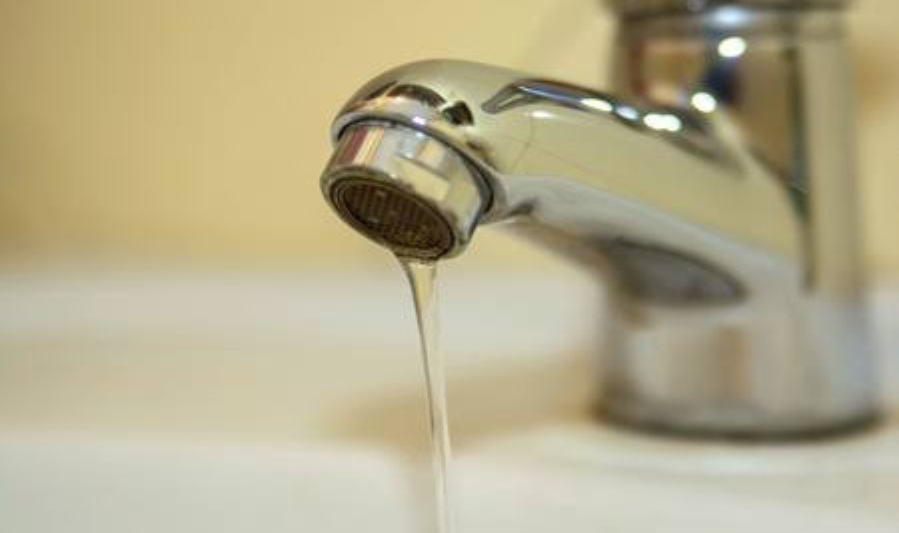
Water pressure is the force that pushes water through your home’s plumbing system and out of faucets, showerheads, and other fixtures. When the pressure is too low, water may come out slowly or lack the force needed for normal household use.
Water Pressure vs. Water Flow
Although they are related, water pressure and water flow are not the same thing. Water pressure refers to the force pushing water through the pipes, while water flow refers to the amount of water that moves through the plumbing over a specific period.
A fixture can have adequate pressure but restricted flow if its aerator, showerhead, valve, or pipe is clogged. Similarly, low pressure can affect water flow throughout the plumbing system.
What Is Normal Water Pressure?
Normal residential water pressure varies depending on the property, plumbing system, and local water supply. As a general reference, many homes operate within roughly 40–60 pounds per square inch (psi), although acceptable pressure can vary.
Pressure that is consistently much lower than expected may indicate a plumbing or water-supply problem, particularly if the change is sudden or affects multiple fixtures.
Why Identifying the Cause Is Important
Low water pressure can result from something as simple as a clogged faucet aerator or partially closed valve, but it can also indicate leaking pipes, corroded plumbing, faulty pressure-regulating equipment, or an issue with the incoming water supply.
Identifying the cause is important because the appropriate solution depends on where the pressure problem originates. Checking whether low pressure affects one fixture or the entire home is a useful first step before deciding whether cleaning, adjustment, repair, or professional inspection is needed.
Signs of Low Water Pressure
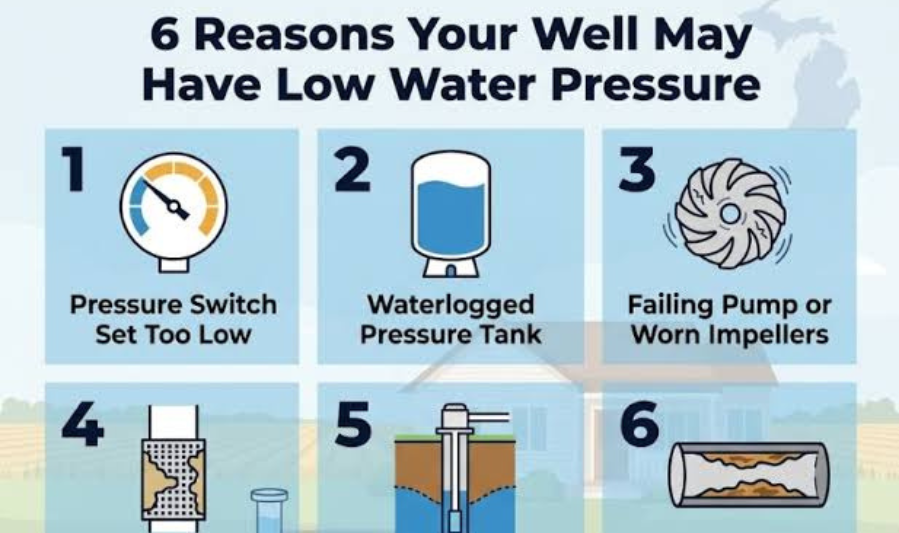
Low water pressure can affect several fixtures throughout your home and may become noticeable during everyday tasks. Recognizing the signs can help you determine whether the issue is limited to one fixture or affects the entire plumbing system.
Weak Shower Stream
A weak shower stream is one of the most noticeable signs of low water pressure. Instead of a steady, strong flow, water may come out slowly or feel insufficient for a comfortable shower.
Slow-Filling Bathtub
If a bathtub takes much longer than usual to fill, reduced water pressure or restricted flow may be affecting the fixture. A partially closed valve or buildup inside the faucet can also cause slow filling.
Weak Kitchen or Bathroom Faucets
Low pressure may cause water to flow weakly from kitchen and bathroom faucets. If several faucets experience the same problem, the issue may be affecting the home’s plumbing or water supply rather than a single fixture.
Washing Machine Taking Longer to Fill
A washing machine relies on an adequate water supply to fill its tub. If water pressure is low, the machine may take longer than usual to fill, potentially extending the time needed to complete a cycle.
Water Pressure Changing When Multiple Fixtures Are Used
It is normal for water flow to change somewhat when several fixtures are operating at the same time. However, a significant drop in pressure when someone turns on a shower, faucet, toilet, or washing machine may indicate an underlying pressure or supply problem.
Sudden or Gradual Reduction in Water Flow
A noticeable reduction in water flow can happen suddenly or develop gradually. A sudden change may point to a leak, valve problem, or water-supply issue, while gradual reduction can be associated with mineral buildup, corrosion, or aging pipes.
If low pressure affects multiple fixtures or continues despite basic troubleshooting, identifying the underlying cause can help prevent further plumbing problems and restore normal water flow.
Common Causes of Low Water Pressure Problems
Low water pressure problems can have simple causes, such as a clogged faucet aerator, or more complex causes involving the home’s plumbing system or external water supply. Identifying where the pressure loss occurs is an important first step toward finding the right solution.
4.1 Clogged Faucet Aerators
Faucet aerators are small screens fitted to the end of many kitchen and bathroom faucets. They help control the water stream but can become clogged over time.
- Mineral deposits: Minerals in the water can gradually accumulate on the aerator screen.
- Restricted water flow: When deposits, dirt, or debris block the screen, less water can pass through, making the faucet appear to have low pressure.
- Cleaning or replacement: Remove the aerator if possible and clean the screen to remove buildup. If it is damaged or heavily clogged, replacing it with a compatible aerator may restore normal flow.
4.2 Blocked Showerheads
A showerhead can also become restricted by buildup and debris.
- Mineral buildup: Hard-water minerals can accumulate around the small openings and reduce the amount of water coming through.
- Dirt and debris: Sediment or debris in the plumbing system can become trapped inside the showerhead.
- Cleaning and maintenance: Remove the showerhead when appropriate and clean the openings according to the manufacturer’s recommendations. Regular cleaning can help maintain proper water flow.
4.3 Partially Closed Shutoff Valves
Shutoff valves control the water supply to individual fixtures or sections of a plumbing system. Common valves can be found beneath sinks, behind toilets, near water heaters, and at the main water supply entry point.
- Effect on pressure: A valve that is only partially open can restrict the amount of water reaching a fixture or part of the home.
- Check accessible valves: Make sure accessible valves are fully open when appropriate.
- Do not force stuck valves: An old or corroded valve may break or begin leaking if excessive force is used. If a valve will not turn normally, professional assistance may be safer than forcing it.
4.4 Leaking Pipes
A significant pipe leak can reduce the amount of water reaching fixtures, particularly when it occurs on the supply side of the plumbing system.
- Effect on water flow: Water escaping through a damaged pipe can reduce the water available at faucets, showers, and other fixtures.
- Visible vs. hidden leaks: Visible leaks may appear around exposed pipes or connections, while hidden leaks can occur behind walls, beneath floors, or in ceilings.
- Warning signs: Look for damp spots, water stains, mold or mildew, musty odors, unexplained puddles, or unexpectedly high water bills.
4.5 Corroded or Aging Pipes
Older plumbing can gradually become restricted as the inside of pipes deteriorates.
- How corrosion develops: Metal pipes can corrode when exposed to water and other conditions over long periods, causing the interior surface to become rough or narrowed.
- Restricted flow: Significant internal corrosion or mineral buildup can reduce the space available for water to pass through, resulting in lower flow.
- When replacement may be considered: If pipes are severely corroded, repeatedly leaking, or significantly restricting water flow, replacing affected sections or upgrading the plumbing system may be considered.
Low Water Pressure in One Faucet vs. the Whole House
Determining how many fixtures are affected is one of the easiest ways to narrow down the cause of low water pressure. If only one faucet has weak flow, the problem is often localized. When several fixtures or the entire house are affected, the cause may involve the main plumbing system or water supply.
One Faucet
If low water pressure affects only one faucet, the problem is more likely to be limited to that fixture or its immediate plumbing connection.
Possible causes include:
- Clogged aerator: Mineral deposits, dirt, or debris can block the small screen at the end of the faucet and restrict water flow.
- Faucet blockage: Internal components or passages can become clogged with mineral deposits or debris.
- Local plumbing restriction: A partially closed valve, damaged supply line, or localized pipe restriction may reduce flow to that faucet.
Cleaning the aerator and checking accessible valves are reasonable first steps. If the problem remains isolated to the same faucet, the fixture or its supply connection may need further inspection.
Multiple Fixtures
When several faucets, showers, or other fixtures have reduced pressure, the problem may be affecting a larger section of the plumbing system.
Possible causes include:
- Valve problems: A partially closed or malfunctioning valve can restrict water flow to multiple fixtures.
- Main supply issues: Problems with the incoming water supply can affect several fixtures at the same time.
- Pressure regulator: A faulty pressure-regulating device may cause consistently low or fluctuating pressure throughout part of the home.
- Pipe restrictions: Corrosion, mineral buildup, or other internal restrictions can reduce water flow through older plumbing.
Checking whether the affected fixtures are located in the same area of the home can provide additional clues about where the restriction may be located.
Entire House
If low water pressure affects virtually every fixture in the home, the problem is more likely to involve the main water supply or a major component of the plumbing system.
Potential causes include:
- Main supply problem: The incoming water supply may have reduced pressure or a supply-related issue.
- Significant leak: A major leak in the home’s water supply plumbing can reduce the amount of water reaching fixtures and may cause additional signs of water damage.
- Corroded plumbing: Extensive corrosion or buildup inside older pipes can restrict water flow throughout the home.
- Pressure regulator issue: A malfunctioning pressure regulator can affect water pressure across the entire plumbing system.
When the entire house experiences low pressure, professional inspection may be appropriate. A plumber can measure water pressure, inspect accessible components, and determine whether the problem originates inside the home or from the external water supply.
Low Water Pressure in Hot Water vs. Cold Water
Checking whether low water pressure affects hot water, cold water, or both can help narrow down the source of the problem. If the pressure is weak only on one side, the issue may be localized to that part of the plumbing system.
Low Hot-Water Pressure
If cold water has normal pressure but hot water flows weakly, the problem may be related to the water heater or hot-water plumbing.
Possible causes include:
- Water heater issues: A problem with the water heater’s connections, valves, or internal components can affect hot-water flow.
- Mineral buildup: Sediment and mineral deposits can accumulate in the water heater or hot-water pipes and restrict flow.
- Restrictions in hot-water plumbing: A partially closed valve, damaged pipe, or buildup inside hot-water lines can reduce pressure at hot-water fixtures.
If low hot-water pressure affects several fixtures, professional inspection can help determine whether the restriction is near the water heater or elsewhere in the hot-water plumbing.
Low Cold-Water Pressure
If cold-water pressure is low while hot-water pressure remains normal, the issue may be related to the home’s cold-water supply.
Possible causes include a partially closed shutoff valve, clogged fixture components, a leak, restricted or corroded pipes, or a problem with the incoming water supply.
Checking whether the low pressure affects one fixture or multiple cold-water fixtures can help narrow down the source.
Both Hot and Cold
When both hot and cold water have low pressure, the problem may be broader and affect the plumbing system or water supply.
Potential causes include:
- A problem with the main water supply
- A partially closed main shutoff valve
- A faulty pressure regulator
- Significant pipe restrictions
- A major leak
- Corroded or aging plumbing
If both hot and cold water are consistently weak throughout the home, professional inspection may be necessary to determine whether the cause is inside the plumbing system or originates from the property’s incoming water supply.
How to Diagnose Low Water Pressure Problems
Finding the cause of low water pressure problems starts with determining how widespread the issue is. A problem affecting one faucet may have a simple fixture-level cause, while low pressure throughout the house may require a closer look at the main plumbing system.
Check Whether One or Multiple Fixtures Are Affected
Start by testing several faucets, showers, and other fixtures. If only one fixture has weak flow, a clogged aerator, showerhead, valve, or local restriction may be responsible. If multiple fixtures are affected, the problem may involve the plumbing system or water supply.
Test Hot and Cold Water Separately
Turn on both hot and cold water at affected fixtures. If only hot water has low pressure, the problem may involve the water heater or hot-water plumbing. If both hot and cold water are affected, the cause may be more widespread.
Inspect Faucet Aerators
Remove accessible faucet aerators and check them for mineral deposits, dirt, or debris. Cleaning or replacing a clogged aerator can restore normal flow when the restriction is limited to that fixture.
Check Showerheads
Inspect showerheads for mineral buildup or blocked openings. Cleaning the showerhead according to the manufacturer’s recommendations may improve water flow.
Check Accessible Shutoff Valves
Make sure accessible shutoff valves beneath sinks, behind toilets, near water heaters, and at other fixtures are fully open when appropriate. Do not force a valve that is stuck, heavily corroded, or difficult to turn, as it may break or begin leaking.
Look for Visible Leaks
Inspect accessible pipes, fittings, cabinets, and utility areas for dripping water, dampness, water stains, or puddles. A significant leak can reduce available water flow and should be addressed promptly.
Consider Measuring Water Pressure
A suitable water-pressure gauge can help determine whether the home’s supply pressure is actually low. Testing pressure at an appropriate connection can provide useful information, particularly when several fixtures are affected.
Because pressure readings can vary depending on the plumbing system and local supply, the measurement should be interpreted in context rather than treated as the only indication of a problem.
When Professional Diagnosis Is Necessary
Professional diagnosis may be appropriate when low pressure affects the entire house, develops suddenly, continues after basic troubleshooting, or occurs alongside leaks, unusual pipe noises, or other plumbing problems.
A plumber can test water pressure, inspect valves and regulators, check accessible plumbing, and investigate possible hidden leaks or restrictions. Professional assessment is especially useful when the suspected problem is behind walls, beneath floors, or connected to the main water supply.
8. How to Fix Low Water Pressure Problems
The correct solution depends on the cause and whether the restriction is limited to one fixture or affects the entire plumbing system.
Simple Fixes
Some minor causes of low water pressure can be addressed with basic maintenance:
- Clean faucet aerators: Remove mineral deposits and debris from clogged aerators or replace damaged ones.
- Clean showerheads: Remove buildup from showerhead openings to restore normal water flow.
- Check accessible valves: Confirm that appropriate fixture and supply valves are fully open without forcing stuck valves.
- Remove visible debris: Clean accessible screens, strainers, or other components where dirt or mineral buildup is restricting flow.
Professional Repairs
More serious low water pressure problems may require professional plumbing work.
- Repair leaking pipes: A plumber can locate and repair visible or hidden leaks that are reducing water flow.
- Replace damaged valves: Worn, broken, or severely corroded valves may need replacement to restore proper flow.
- Service or replace a faulty pressure regulator: If the pressure regulator is not controlling incoming pressure correctly, it may need adjustment, servicing, or replacement.
- Repair or replace severely corroded plumbing: Extensive internal corrosion can restrict flow and may require replacement of affected pipe sections or larger portions of the plumbing system.
- Address water-supply problems: If the issue originates with the municipal supply or shared-building plumbing, the appropriate water authority, building management, or plumbing professional may need to investigate.
Avoid making major plumbing modifications based only on a low-pressure symptom. Identifying the actual cause first helps ensure that the repair addresses the problem rather than temporarily masking it.
Can a Leak Cause Low Water Pressure?
Yes, a significant leak in a home’s water-supply plumbing can contribute to low water pressure. When water escapes through a damaged pipe or connection, less water may reach the fixtures that depend on that section of the plumbing system. However, low pressure can have many other causes, so a leak should not be assumed to be the problem without further investigation.
Signs That Low Pressure May Be Related to a Leak
Low water pressure may be more concerning when it occurs alongside other signs of water loss or moisture damage, such as:
- Unexplained water bills: A sudden increase in water consumption without a change in household usage may indicate a hidden leak.
- Damp walls and ceilings: Wet spots, discoloration, peeling paint, or water stains can indicate water escaping from a concealed pipe.
- Water sounds when fixtures are off: Dripping, hissing, or running-water sounds when faucets, showers, and other fixtures are not being used may point to a hidden leak.
- Visible water or puddles: Moisture around exposed pipes, plumbing connections, cabinets, or utility areas can indicate an active leak.
You may also like to read these posts:
Common Plumbing Problems at Home: Causes, Solutions & Prevention Tips
Water Leaking From Pipes: Causes, Warning Signs & How to Fix It
Low Water Pressure Problems: Causes, Solutions & Prevention Tips
When to Arrange a Professional Inspection
Consider arranging a professional plumbing inspection if low water pressure affects multiple fixtures, develops suddenly, or occurs alongside signs of a possible leak. Professional inspection is particularly important when the suspected leak is behind a wall, beneath a floor, or in another inaccessible area.
A plumber can test the water pressure, inspect accessible plumbing, look for evidence of leaks, and determine whether the pressure problem is related to a leak or another issue such as a blocked pipe, faulty valve, pressure regulator problem, or external water-supply issue.
FAQS:
What causes low water pressure problems in a home?
Common causes include clogged faucet aerators, blocked showerheads, partially closed valves, leaking pipes, corroded plumbing, faulty pressure regulators, and issues with the main water supply.
Why is my water pressure low in only one faucet?
If only one faucet has low pressure, the problem may be caused by a clogged aerator, mineral buildup, or a blockage inside the faucet or its connecting pipe.
Can a leaking pipe cause low water pressure?
Yes, a significant pipe leak can sometimes contribute to reduced water pressure or water flow. Look for damp spots, water stains, unusual water bills, or the sound of running water.
How can I fix low water pressure at home?
Start by checking and cleaning faucet aerators and showerheads and making sure accessible shutoff valves are fully open. If the problem affects the entire home or continues after basic checks, professional inspection may be needed.
When should I call a plumber for low water pressure?
Call a professional if the pressure suddenly drops, affects multiple fixtures, is accompanied by a leak, keeps returning, or may be caused by damaged pipes, a pressure regulator, or the main water supply.
Conclusion
Low water pressure problems can make everyday household tasks frustrating and may sometimes indicate an underlying plumbing issue. Clogged fixtures, partially closed valves, leaking pipes, mineral buildup, and faulty pressure regulators are some common causes. Identifying the source early and maintaining your plumbing system can help prevent bigger problems. If low pressure affects multiple fixtures or continues despite basic checks, a qualified plumber can diagnose and fix the issue.