
Introduction
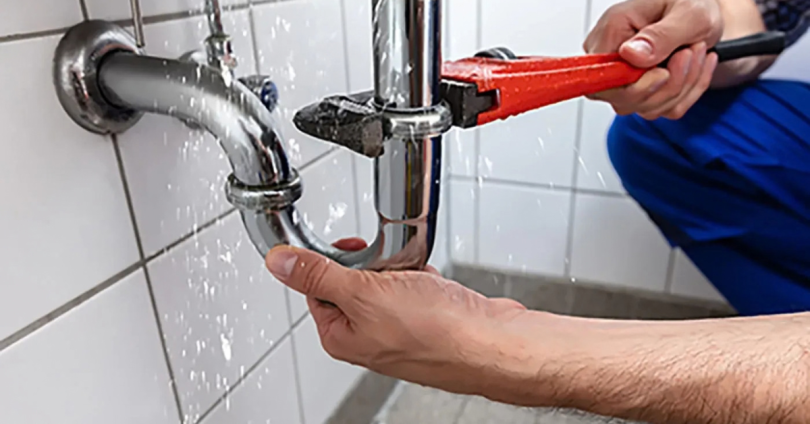
Plumbing is an essential part of every home, providing clean water for drinking, cooking, bathing, cleaning, and other everyday needs. A reliable plumbing system also helps remove wastewater safely and keeps the home comfortable and hygienic.
Why Plumbing Problems Should Not Be Ignored
Small plumbing issues can quickly become expensive problems when they are left unattended. A minor leak, clogged drain, or dripping faucet may eventually cause water damage, mold growth, higher utility bills, or costly repairs.
Common Plumbing Problems in Homes
Homeowners commonly experience plumbing problems such as leaky faucets, clogged drains, running toilets, low water pressure, burst pipes, and water heater issues. These problems can occur because of normal wear and tear, blockages, corrosion, or improper maintenance.
Understanding Causes and Basic Solutions
Knowing what causes common plumbing problems and understanding basic solutions can help homeowners identify issues early. Regular maintenance and prompt repairs can prevent further damage, conserve water, reduce repair costs, and keep the home’s plumbing system working properly.
Leaky Faucets

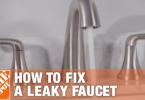
Leaky faucets are one of the most common plumbing problems in homes. Although a few drops of water may seem minor, a faucet that continues to leak can waste water, increase utility bills, and sometimes indicate a damaged internal component.
What Causes a Faucet to Leak?
A faucet can leak for several reasons. Common causes include worn-out washers, damaged O-rings, loose connections, worn cartridges, and corroded valve seats. Mineral buildup can also prevent the faucet from closing properly and create a leak.
Common Signs of a Leaking Faucet
- Water continues to drip after the faucet is turned off.
- Water collects around the base or handles.
- You hear a constant dripping sound.
- There is visible rust or mineral buildup.
- Your water bill increases without a noticeable change in usage.
How a Small Leak Can Increase Water Bills
Even a slow leak can waste water continuously throughout the day and night. Over weeks or months, this wasted water can add to your household water consumption and increase your utility bill. Repairing a leaking faucet promptly is a simple way to conserve water and avoid unnecessary costs.
Basic Ways to Fix or Prevent Faucet Leaks
- Replace worn washers, O-rings, or cartridges.
- Tighten loose connections and faucet components.
- Clean mineral deposits from the faucet and its internal parts.
- Replace damaged or corroded components.
- Avoid applying excessive force when operating the faucet.
- Check faucets regularly and repair leaks as soon as they appear.
Clogged Drains
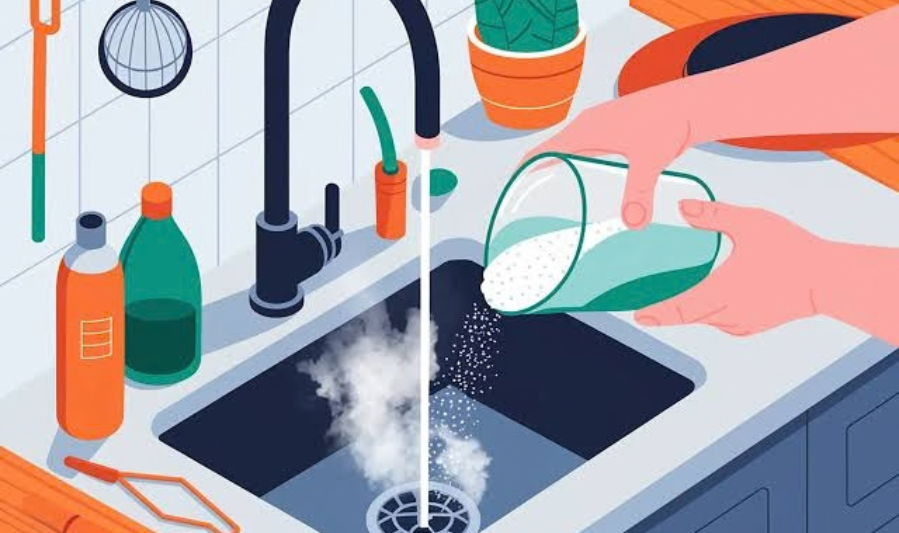
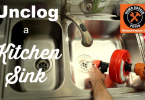
Clogged drains are a common plumbing problem in kitchens and bathrooms. A blockage can slow or completely stop the flow of water, making everyday tasks difficult. Addressing minor clogs early can help prevent unpleasant odors, overflowing water, and more serious pipe problems.
Common Causes of Clogged Kitchen and Bathroom Drains
Kitchen drains often become clogged because of food scraps, grease, oil, and soap residue entering the pipes. Bathroom drains commonly collect hair, soap scum, toothpaste, and other debris. Over time, these materials can build up and restrict water flow.
Signs of a Blocked Drain
- Water drains more slowly than usual.
- Water collects in the sink, shower, or bathtub.
- Gurgling sounds come from the drain.
- An unpleasant smell comes from the drain.
- Water backs up when another nearby fixture is used.
Simple Methods for Clearing Minor Clogs
For minor blockages, a plunger can often loosen the material causing the clog. Removing visible debris from the drain opening and cleaning the drain trap can also help. A drain snake or hand auger may be useful for blockages located deeper in the pipe.
When to Seek Professional Help
If a clog repeatedly returns, affects multiple drains, or causes wastewater to back up, the problem may be deeper in the plumbing system. In such cases, professional inspection and repair may be necessary.
How to Prevent Drains From Becoming Clogged
Simple Drain Maintenance Tips
- Use drain strainers to catch hair and food particles.
- Avoid pouring grease or cooking oil down the sink.
- Do not flush wipes or other unsuitable materials down toilets.
- Clean drain strainers regularly.
- Run hot water through kitchen drains after use to help remove residue.
- Address slow drains before they become completely blocked.
FAQS:
What are the most common plumbing problems at home?
Common problems include leaking faucets, clogged drains, running toilets, low water pressure, and burst or leaking pipes.
Why does my drain keep getting clogged?
Drains often clog because of hair, grease, food particles, soap buildup, or other debris. Regular cleaning can help prevent blockages.
How can I fix a leaking faucet?
Turn off the water supply and check the washer, O-ring, or cartridge. Replacing the damaged part usually fixes the leak.
What causes low water pressure in a house?
Low pressure can result from clogged pipes or fixtures, leaks, a partially closed main valve, or issues with the municipal water supply.
When should I call a professional plumber?
Contact a professional when you have a major leak, burst pipe, sewer backup, persistent low water pressure, or a plumbing problem you cannot safely fix yourself.
Conclusion:
Common plumbing problems at home can often be prevented with regular maintenance and timely repairs. From clogged drains and leaking faucets to low water pressure, addressing issues early can save time, money, and prevent costly damage.