Introduction
Low water pressure can make everyday household tasks frustrating. A weak shower stream, slow-filling bathtub, reduced faucet flow, or washing machine that takes longer to fill can all indicate that water is not flowing through the plumbing system as it should.
The cause may be something simple, such as a clogged faucet aerator or partially closed valve, but low pressure can also result from leaking pipes, mineral buildup, corroded plumbing, a faulty pressure regulator, or problems with the main water supply.
If you’re wondering how to fix low water pressure, this guide will explain how to identify whether the problem affects one fixture or the entire home, troubleshoot common causes, and determine which solutions are safe to handle yourself. You’ll also learn when professional plumbing inspection may be necessary.
What Causes Low Water Pressure?
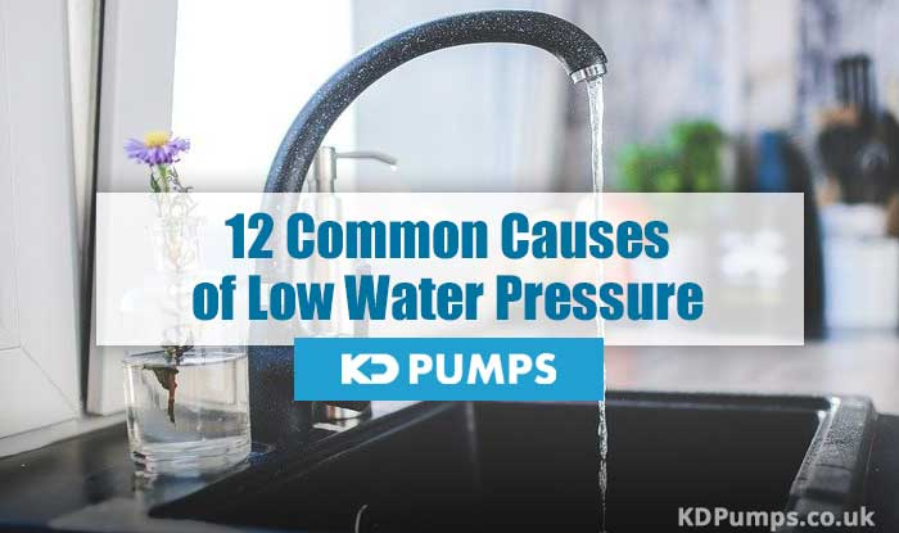
Low water pressure can result from a restriction, leak, valve problem, or buildup somewhere in the plumbing system. Identifying whether the issue affects one fixture or multiple fixtures can help narrow down the cause.
2.1 Clogged Faucet Aerators
Mineral deposits, sediment, and debris can accumulate inside a faucet aerator, the small screen fitted to the end of many faucets. As buildup increases, it reduces the opening available for water to pass through.
If low pressure affects only one faucet, removing and cleaning the aerator may restore normal water flow. A heavily damaged or clogged aerator may need to be replaced.
2.2 Clogged Showerheads
Showerheads can become restricted by mineral deposits, particularly in areas with hard water. Dirt and other debris can also accumulate inside the small openings.
Signs of a restricted showerhead include:
- Weak or uneven spray
- Reduced water flow
- Some spray holes producing little or no water
- A noticeable decrease in shower pressure compared with normal
Cleaning the showerhead according to the manufacturer’s instructions may help restore flow. If the deposits are severe or the showerhead is damaged, replacement may be necessary.
2.3 Partially Closed Shutoff Valves
A partially closed shutoff valve can restrict the amount of water reaching a fixture or section of the home.
There are two common types to check:
- Fixture shutoff valves: These are located near individual faucets, toilets, and appliances. If one is partially closed, it can affect that particular fixture.
- Main shutoff valve: This controls water entering much of the home. If it is not fully open, multiple fixtures may experience reduced flow.
Check accessible valves to make sure they are in their normal open position. Do not force a valve that is stuck, damaged, or heavily corroded, as doing so can cause a leak or damage the plumbing.
2.4 Leaking Pipes
A leaking pipe can reduce the amount of water available at fixtures, particularly when the leak is significant. Leaks may be visible around exposed pipes and connections or hidden behind walls, ceilings, and floors.
Possible signs of a plumbing leak include:
- Damp walls or ceilings
- Water stains
- Musty odors
- Mold or mildew
- Unexplained increases in water usage
- Puddles or wet areas
- Sounds of running water when fixtures are turned off
If several fixtures have low pressure and there are signs of a leak, the plumbing system should be inspected promptly. Hidden or significant leaks may require professional leak detection and repair.
Signs of Low Water Pressure

Low water pressure can affect individual fixtures or become noticeable throughout the home. Recognizing the symptoms can help you determine whether the problem is isolated or may involve the broader plumbing system.
Weak Shower Flow
A shower that produces a noticeably weaker stream than usual is a common sign of reduced water pressure. Mineral buildup inside the showerhead can cause this when only one shower is affected, while broader plumbing problems may affect multiple fixtures.
Slow-Filling Toilets
A toilet that takes unusually long to refill after flushing may indicate restricted water flow. A partially closed shutoff valve, supply-line restriction, or broader pressure problem can contribute to slow filling.
Weak Faucet Flow
Low flow from a kitchen or bathroom faucet can result from a clogged aerator, partially closed valve, mineral buildup, or a plumbing restriction. If only one faucet is affected, the problem is more likely to be localized.
Poor Performance From Appliances
Some water-using appliances, such as washing machines and dishwashers, may take longer to fill when water flow is reduced. If several appliances and fixtures are affected at the same time, the cause may be farther upstream in the plumbing system.
Multiple Fixtures Experiencing Reduced Flow
When showers, faucets, toilets, and other fixtures throughout the home have weak flow, the problem may involve the main shutoff valve, pressure regulator, leaking or restricted pipes, or the incoming water supply.
The number of affected fixtures is an important clue when diagnosing low water pressure.
Sudden Changes in Water Pressure
A sudden drop or noticeable fluctuation in pressure can indicate a developing plumbing problem. Possible causes include a new leak, valve problem, pressure regulator issue, or change in the municipal water supply.
If water pressure suddenly changes throughout the home or is accompanied by damp areas, unusual water sounds, or an unexplained increase in water usage, prompt investigation is recommended.
How to Determine Where the Problem Is
Before trying to fix low water pressure, it helps to determine whether the issue is limited to one fixture or affects the entire plumbing system. A few simple comparisons can help narrow down the possible cause.
Test Multiple Faucets
Turn on several faucets in different parts of the home and compare their water flow. Check the kitchen sink, bathroom faucets, and other accessible fixtures.
If only one faucet has weak flow, the problem may be a clogged aerator, faucet blockage, or local restriction. If several fixtures are affected, the cause may be farther upstream.
Compare Hot and Cold Water
Run hot and cold water separately at affected fixtures.
If only hot water has weak flow, the restriction may be in the water heater, hot-water pipes, valves, or related components. If both hot and cold water are affected, a broader plumbing or water-supply issue may be involved.
Check Indoor and Outdoor Fixtures
If your home has accessible outdoor faucets, compare their flow with indoor fixtures.
If indoor and outdoor fixtures are both experiencing reduced flow, the problem may involve the main supply, main shutoff valve, pressure regulator, or incoming water service. If outdoor flow is normal while only indoor fixtures are affected, the restriction may be within the home’s interior plumbing.
Determine Whether One Fixture or the Whole House Is Affected
Make a quick note of which fixtures have reduced flow.
- One fixture: Possible clogged aerator, showerhead, valve, or local restriction.
- Several fixtures in one area: Possible branch-pipe restriction or local plumbing problem.
- Most or all fixtures: Possible main valve, pressure regulator, leak, supply issue, or broader pipe restriction.
This distinction can make troubleshooting much more efficient.
Look for Recent Changes in Pressure
Think about when the pressure problem began and whether anything changed around the same time.
A sudden change may be associated with a leak, valve problem, plumbing work, pressure regulator issue, or temporary water-supply disruption. A gradual decline may be more consistent with mineral buildup, corrosion, or aging plumbing.
If pressure has dropped suddenly throughout the home, particularly when accompanied by signs of a leak, arrange a professional inspection rather than continuing to troubleshoot without identifying the cause.
How to Fix Low Water Pressure: Step-by-Step
Once you know which fixtures are affected, you can work through a few basic checks to identify common causes of low water pressure. Start with simple, accessible components and avoid forcing valves or opening equipment that requires specialized knowledge.
Step 1: Check the Affected Fixtures
Test several faucets and showers throughout the home. Compare their water flow and determine whether the problem affects one fixture, several fixtures, or the entire house.
Also compare hot and cold water where possible. This can help determine whether the restriction is limited to the hot-water system or affects the broader plumbing supply.
Step 2: Clean Faucet Aerators
If only one or a few faucets have weak flow, a clogged aerator may be responsible.
- Remove the aerator from the end of the faucet.
- Rinse away visible debris and mineral deposits.
- Clean the screen carefully using an appropriate method for the faucet.
- Reinstall the aerator.
- Turn on the faucet and check whether water flow has improved.
If the aerator is damaged or remains blocked after cleaning, replacing it may be necessary.
Step 3: Clean the Showerhead
Mineral buildup can restrict the small openings in a showerhead.
- Remove the showerhead if it can be safely removed.
- Clean away visible mineral deposits and debris.
- Rinse the showerhead thoroughly.
- Reinstall it securely without overtightening.
- Test the water flow.
Follow the manufacturer’s cleaning recommendations, particularly for specialty showerheads or finishes that may be sensitive to certain cleaning products.
Step 4: Check Shutoff Valves
Inspect accessible shutoff valves serving the affected fixtures. Confirm that they are fully open if they are designed to operate in that position.
Do not force a valve that is stuck, damaged, or heavily corroded. Applying excessive force can damage the valve or create a leak. A plumber can safely address a valve that cannot be operated normally.
Step 5: Inspect for Leaks
Check accessible pipes and connections for dripping water, moisture, corrosion, or water stains.
Also look for indirect signs of hidden leaks, such as:
- Damp walls or ceilings
- Wet flooring
- Musty odors
- Mold or mildew
- Unexplained increases in water usage
- Sounds of running water when fixtures are off
If you suspect a hidden or significant leak, arrange professional inspection rather than opening walls or floors unnecessarily.
Step 6: Check the Main Shutoff Valve
Locate the home’s main water shutoff valve and determine whether it is fully open.
If the valve appears stuck, damaged, or heavily corroded, do not force it. A damaged main valve may require professional replacement, and attempting to operate it aggressively could cause a leak.
If the valve is fully open but pressure remains low throughout the home, the cause may lie elsewhere in the plumbing or water supply.
Step 7: Inspect the Pressure Regulator
Some homes have a pressure regulator that controls the pressure entering the property’s plumbing system. A faulty or improperly functioning regulator can cause low, unstable, or unusually high water pressure.
Pressure-regulator diagnosis may require measuring the home’s water pressure with an appropriate gauge and inspecting or adjusting the regulator. Because the component is connected to the main water supply, professional inspection is recommended when the regulator appears faulty, pressure remains consistently low throughout the home, or adjustment is required.
If basic troubleshooting does not restore normal flow, the problem may involve leaking or corroded pipes, a significant restriction, the municipal water supply, or another plumbing component that requires professional diagnosis.
How to Fix Low Water Pressure in One Faucet
When low water pressure affects only one faucet while other fixtures work normally, the problem is often localized to that faucet or its immediate plumbing connections. A few basic checks can help identify the cause.
Clean the Aerator
The faucet aerator is a small screen at the end of the spout that can collect mineral deposits and debris. A clogged aerator can significantly reduce water flow.
Remove the aerator, clean away the buildup, rinse it thoroughly, and reinstall it. If it is damaged or heavily clogged, replacing it may be necessary.
Inspect the Faucet
Check the faucet for visible mineral deposits, corrosion, damaged components, or unusual flow patterns. If both hot and cold water have weak flow, the faucet itself may have an internal restriction.
A faucet that is old, heavily corroded, or repeatedly develops flow problems may require repair or replacement.
Check Supply Valves
Look underneath the sink or near the fixture for the hot- and cold-water shutoff valves. Confirm that they are fully open if they are designed to operate that way.
Do not force a valve that is stuck or corroded. A damaged valve can leak if excessive force is applied.
Check Supply Lines
Inspect the flexible or rigid supply lines connecting the faucet to the shutoff valves. Look for kinks, visible damage, corrosion, or signs of leakage.
A restricted or damaged supply line can reduce water flow to the faucet. If a supply line is deteriorated, replacement with a compatible line may be appropriate.
Consider Faucet Repair or Replacement
If cleaning the aerator, checking the valves, and inspecting the supply lines do not restore normal flow, the faucet may have an internal blockage or damaged component.
Depending on the faucet’s age and condition, cleaning or replacing an internal component may resolve the problem. If the faucet is severely corroded, damaged, or repeatedly develops problems, replacing the entire fixture may be more practical.
If low flow persists after the faucet and its immediate connections have been checked, the restriction may be farther back in the plumbing system and may require professional diagnosis.
How to Fix Low Water Pressure in a Shower
Low water pressure in a shower can make bathing uncomfortable and may result from something as simple as mineral buildup in the showerhead or a restriction farther back in the plumbing. A few basic checks can help identify where the problem is located.
Clean the Showerhead
Mineral deposits and debris can gradually block the small openings in a showerhead and reduce water flow.
Remove the showerhead if appropriate for the fixture and clean away visible buildup according to the manufacturer’s recommendations. Rinse it thoroughly, reinstall it securely, and test the water flow.
If the showerhead remains restricted or damaged after cleaning, replacement may improve performance.
Check the Shower Valve
A partially closed or faulty shower valve can restrict water flow. Check whether the valve operates normally and whether the problem affects both hot and cold water.
Do not force a stuck valve or attempt to disassemble a complicated valve assembly without the appropriate knowledge and tools. A damaged or inaccessible valve may require professional repair.
Compare Pressure With Other Fixtures
Turn on nearby faucets and showers and compare their water flow with the affected shower.
- Only the shower is affected: The showerhead, valve, or local plumbing may be responsible.
- Several fixtures are affected: The issue may involve a broader plumbing restriction, pressure regulator, or water supply.
- Only hot water is weak: The restriction may be associated with the hot-water system.
This comparison can help determine whether the problem is isolated or affects the wider plumbing system.
Inspect for Plumbing Restrictions
If cleaning the showerhead and checking the valve do not improve the flow, there may be a restriction in the plumbing. Mineral buildup, corrosion, partially closed valves, or damaged pipes can reduce water flow.
If the shower has gradually lost pressure, multiple fixtures are affected, or there are signs of leaks or corroded plumbing, professional inspection may be necessary to locate and address the restriction.
How to Fix Low Water Pressure Throughout the House
When low water pressure affects most or all fixtures in a home, the cause is more likely to involve the main water supply, whole-house plumbing, or a component that regulates incoming pressure. Start with safe, accessible checks before arranging professional diagnosis.
You may also like to read these posts:
Common Plumbing Problems at Home: Causes, Solutions & Prevention Tips
Water Leaking From Pipes: Causes, Warning Signs & How to Fix It
Low Water Pressure Problems: Causes, Solutions & Prevention Tips
Clogged Drain Problems: Common Causes, Easy Fixes & Prevention Tips
Check the Main Valve
Locate the home’s main water shutoff valve and confirm that it is fully open if it is designed to operate in that position. A partially closed valve can restrict water flow throughout the property.
Do not force a valve that is stuck, damaged, or heavily corroded. Applying excessive force can damage the valve and potentially cause a leak.
Look for Leaks
Inspect accessible pipes and connections for dripping water, dampness, water stains, or corrosion. Also look for indirect signs of a hidden leak, including:
- Unexplained increases in water usage
- Damp walls or ceilings
- Musty odors
- Mold or mildew
- Sounds of running water when fixtures are off
A significant leak can reduce available water flow and should be repaired promptly.
Consider the Pressure Regulator
Some homes have a pressure regulator that controls the water pressure entering the plumbing system. A malfunctioning regulator can result in consistently low or fluctuating pressure throughout the house.
Measuring the home’s water pressure with an appropriate gauge can help determine whether the regulator or another part of the system may be involved. Regulator adjustment, repair, or replacement is generally best handled by a qualified professional.
Check the Incoming Water Supply
Low pressure may originate outside the home. Municipal water-supply problems, building-wide restrictions, or changes in the incoming service can affect household water pressure.
If neighboring properties or other units are experiencing similar problems, the issue may be related to the broader water supply rather than your home’s internal plumbing. Contacting the local water provider or building management may help determine whether an external issue is occurring.
Inspect Older or Corroded Pipes
Aging metal pipes can develop internal corrosion and mineral buildup that gradually restrict water flow. If pressure has declined slowly over many years, deteriorated or restricted plumbing may be contributing to the problem.
Severely corroded or extensively restricted pipes may require replacement rather than repeated attempts at cleaning or temporary repair. A qualified plumber can assess the condition of the plumbing and determine the appropriate repair strategy.
If low pressure affects the entire house and basic checks do not identify the cause, professional inspection can help distinguish between an internal plumbing problem, pressure-regulator issue, and incoming water-supply problem.
Can a Water Leak Cause Low Water Pressure?
Yes, a significant plumbing leak can contribute to reduced water flow at fixtures, particularly when a large amount of water is escaping from a damaged pipe or connection. However, low water pressure has many possible causes, so a leak should not be assumed to be the cause without checking for other signs.
How Leaks Affect Water Flow
In a properly functioning plumbing system, water travels through pipes to the home’s fixtures. If a pipe develops a substantial leak, some of that water escapes before reaching faucets, showers, or other outlets.
The effect is more noticeable when the leak is large or located on a section of plumbing supplying multiple fixtures. A small leak may not noticeably change pressure but can still waste water and cause property damage.
Signs of a Hidden Leak
A hidden leak can occur behind walls, beneath floors, or inside ceilings, making it difficult to see directly. Warning signs can include:
- Unexplained increases in water bills or usage
- Damp walls or ceilings
- Water stains or discoloration
- Musty odors
- Mold or mildew growth
- Wet or unusually warm areas on floors
- Sounds of running or dripping water when fixtures are off
- Low water pressure that develops without an obvious fixture-related cause
If several of these signs occur together, a hidden leak should be investigated.
Why Leaks Should Be Repaired Promptly
A leaking pipe can waste water continuously and may cause progressively greater damage to surrounding materials. Prolonged moisture can contribute to damaged drywall, flooring, cabinets, insulation, and other building materials, while persistent damp conditions can encourage mold and mildew growth.
Repairing the leak promptly can help conserve water, restore normal plumbing performance when the leak is affecting flow, and reduce the risk of more extensive property damage.
If you suspect a significant or hidden leak, shut off the water when appropriate and arrange a professional plumbing inspection. Specialized leak-detection methods may help locate concealed leaks without unnecessary damage to walls or floors.
FAQS:
How do I fix low water pressure at home?
Start by checking whether the problem affects one fixture or the entire house. Clean clogged faucet aerators and showerheads, check accessible shutoff valves, and inspect for signs of leaks.
Why is my water pressure low in only one faucet?
A clogged aerator, mineral buildup, partially closed valve, restricted supply line, or faulty faucet can cause low pressure in a single fixture.
Can a leaking pipe cause low water pressure?
Yes, a significant leak can reduce available water flow and may cause low pressure. Look for damp areas, water stains, mold, or unexplained increases in water usage.
How can I increase water pressure in my home?
First identify the cause of the low pressure. Cleaning fixtures, opening partially closed valves, repairing leaks, or addressing a faulty pressure regulator may improve water flow.
When should I call a plumber for low water pressure?
Contact a professional if low pressure affects multiple fixtures, occurs suddenly, keeps returning, is accompanied by a leak, or does not improve after basic troubleshooting.
Conclusion
Knowing how to fix low water pressure starts with identifying the cause of the problem. Cleaning clogged aerators or showerheads and checking accessible valves may solve minor issues, while leaks, damaged pipes, or pressure regulator problems may require professional attention. Addressing low water pressure early can help maintain reliable water flow and prevent more serious plumbing problems.