Introduction
Why Are Clogged Drains So Common?
Clogged drains are among the most common plumbing problems in households. Everyday materials such as hair, soap residue, food particles, grease, and dirt can gradually accumulate inside pipes and restrict water flow. Since drains are used frequently, even a small buildup can eventually lead to a serious blockage.
Common Causes of Drain Clogs
Some of the most common causes include:
- Hair and soap buildup in bathroom drains
- Food scraps and grease in kitchen sinks
- Dirt and debris entering outdoor drains
- Foreign objects accidentally going down the drain
- Mineral buildup inside older pipes
How Do Slow or Blocked Drains Affect Your Home?
A slow or completely blocked drain can quickly disrupt everyday household activities. Standing water, unpleasant odors, overflowing sinks, and backed-up fixtures can make routine cleaning and bathing difficult. If a blockage is ignored for too long, it may also contribute to leaks or water damage.
Why Should You Fix a Clogged Drain Quickly?
Addressing a clogged drain early can help restore normal water flow and prevent the problem from becoming more difficult or expensive to resolve. Many minor blockages can be handled with basic household tools and simple techniques.
What This Guide Covers
In this guide, we’ll explain how to fix a clogged drain using practical methods you can try at home. You’ll learn about common causes of clogs, effective ways to clear them, preventive maintenance tips, and situations where professional plumbing assistance may be necessary.
Common Causes of Clogged Drains
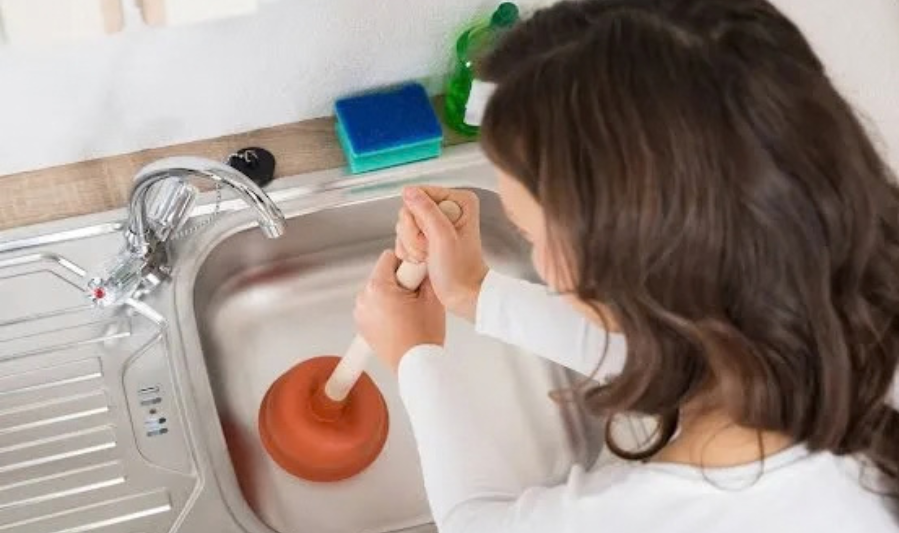
Clogged drains can develop for many reasons, but most blockages are caused by materials that gradually accumulate inside the pipes. Understanding the common causes can make it easier to prevent clogs and know how to fix a clogged drain when problems occur.
2.1 Hair and Soap Residue
Bathroom drains frequently collect hair because loose strands naturally wash off during showers, baths, and hair washing. Although a few strands may seem harmless, they can accumulate over time and form a dense mass inside the drain.
How Hair and Soap Create Blockages
Soap residue can stick to the inside of drainpipes and combine with hair, dirt, and other debris. This sticky mixture can gradually reduce the opening through which water flows. As the buildup becomes larger, water may drain more slowly and eventually stop flowing altogether.
2.2 Food Particles
Kitchen sinks are another common location for clogged drains. Small amounts of food can enter the drain during washing dishes or preparing meals and may accumulate inside the pipes.
Kitchen Waste That Can Cause Blockages
Common problem materials include food scraps, coffee grounds, rice, pasta, vegetable peels, and other solid particles. Some foods can also absorb water and expand, making blockages worse.
Why Use a Drain Strainer?
A drain strainer helps catch food particles and other solid debris before they enter the plumbing system. Emptying the strainer regularly is a simple way to reduce the amount of waste entering your pipes.
2.3 Grease and Cooking Oil
Grease and cooking oil can cause stubborn kitchen drain blockages. When these substances enter the plumbing system, they can coat the inside walls of pipes and trap other debris.
How Grease Sticks to Pipe Walls
As grease cools, it can become thicker and adhere to the interior surfaces of pipes. Over time, additional food particles can stick to this layer, gradually narrowing the passage and restricting water flow.
Why Should You Avoid Pouring Cooking Oil Down the Drain?
Cooking oil should not be poured directly down the drain because it can accumulate inside plumbing and contribute to blockages. Instead, allow used oil to cool and dispose of it according to your local waste-disposal guidelines.
2.4 Mineral Buildup
Hard water contains higher levels of dissolved minerals, such as calcium and magnesium. Over time, these minerals can accumulate inside plumbing fixtures and pipes.
How Hard Water Affects Drainpipes
Mineral deposits can create a rough layer along the inside of pipes. This buildup reduces the available space for water to flow and can also make it easier for hair, grease, and other debris to become trapped.
Signs of Mineral Deposits
Slow drainage, reduced water flow, and visible chalky deposits around faucets or fixtures can sometimes indicate mineral buildup. Persistent buildup may require professional cleaning or other plumbing solutions.
2.5 Foreign Objects
Foreign objects can accidentally enter drains and cause immediate or gradual blockages. Children, pets, or household activities can sometimes result in unsuitable items being dropped or washed into a drain.
Examples of Materials That Should Not Go Down Drains
Items such as paper towels, sanitary products, wipes, cotton swabs, small toys, and other non-dissolvable materials can create blockages. Even products labeled as flushable may cause plumbing problems when used improperly.
How Foreign Objects Cause Blockages
Unlike materials that break down naturally, many foreign objects remain intact inside pipes. They can become lodged in bends or narrow sections of plumbing and trap other debris, eventually restricting or completely stopping water flow.
Signs of a Clogged Drain
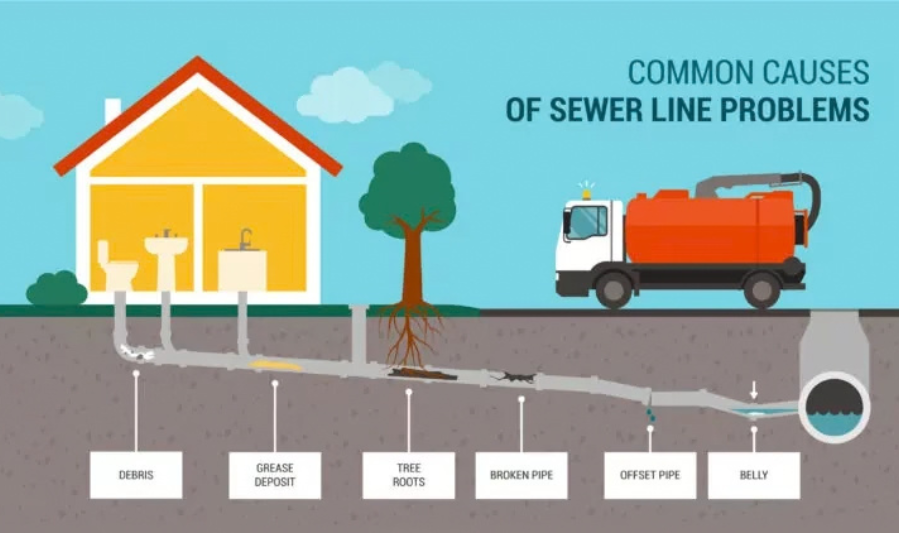
Recognizing the early signs of a clogged drain can help you address the problem before it becomes a major plumbing issue. Some blockages develop gradually, while others cause immediate problems. Paying attention to changes in drainage and unusual plumbing sounds can help you determine when your drain needs attention.
Slow Drainage
One of the earliest signs of a clogged drain is water draining more slowly than usual. You may notice that water takes longer to disappear from a sink, shower, bathtub, or other fixture.
What Causes Slow Drainage?
A partial blockage caused by hair, soap residue, food particles, grease, or mineral deposits can restrict the flow of water through the pipe. If the problem is ignored, the blockage may become larger and eventually stop the drain completely.
Standing Water
Standing water is another common indication that a drain is partially or completely blocked. Water may collect in a shower, bathtub, sink, or around a floor drain instead of flowing away normally.
Why Does Water Collect?
When debris prevents water from passing through the pipe efficiently, water can remain around the fixture. Persistent standing water should be addressed promptly to reduce the risk of unpleasant odors and potential water damage.
Unpleasant Odors
A clogged drain may produce unpleasant or unusual smells. Food particles, grease, hair, soap residue, and other organic materials can become trapped inside the plumbing and begin to decompose.
Where Do Drain Odors Come From?
As trapped debris breaks down, it can create foul-smelling gases that travel back through the drain opening. Cleaning the drain and removing the source of the blockage can often help eliminate these odors.
Gurgling Sounds
Gurgling or bubbling sounds coming from a drain can indicate that water and air are struggling to move through the plumbing system.
What Do Gurgling Drains Mean?
A partial blockage can interfere with normal water flow and cause trapped air to move through the pipes. If gurgling continues or occurs alongside slow drainage, it may be a sign that the drain needs attention.
Water Backing Up
Water backing up into a sink, bathtub, shower, or floor drain is a stronger indication of a significant blockage. Instead of flowing away, wastewater may return through the drain opening.
Why Is Water Backup a Concern?
Backed-up water can spread contaminants, create unpleasant odors, and potentially cause water damage. Avoid using affected fixtures until the blockage has been addressed, particularly when wastewater is involved.
Recurring Blockages
If the same drain becomes clogged repeatedly, there may be an underlying problem rather than a simple surface-level blockage.
What Can Cause Repeated Clogs?
Recurring blockages may result from persistent buildup, damaged or poorly functioning pipes, mineral deposits, or an obstruction deeper within the plumbing system. Repeated problems may require a more thorough inspection.
Multiple Slow Drains
When several drains throughout your home become slow at the same time, the problem may extend beyond a single fixture.
Could Multiple Slow Drains Indicate a Larger Problem?
Multiple affected drains can sometimes point to a blockage in a shared or main drain line. If plunging or basic drain-cleaning methods do not resolve the issue, professional plumbing assistance may be necessary.
How to Identify the Type of Clog
Before learning how to fix a clogged drain, it is important to identify what type of blockage you are dealing with. A simple clog near the drain opening may be easy to remove, while a deeper blockage can require different tools or professional assistance. A few basic checks can help you understand the severity and location of the problem.
Determine Which Fixture Is Affected
Start by identifying the specific fixture where the drainage problem occurs. Check sinks, showers, bathtubs, toilets, and floor drains to see whether the issue is limited to one location.
Why the Affected Fixture Matters
If only one sink or shower is draining slowly, the blockage may be located close to that fixture. This type of clog is often caused by hair, soap residue, food particles, or other debris that has accumulated in the nearby pipe.
Check Whether the Clog Is Partial or Complete
Observe how quickly water drains from the affected fixture. A partial clog usually allows some water to pass through, while a complete blockage prevents water from draining normally.
Signs of a Partial Clog
Slow drainage, occasional standing water, and gurgling sounds can indicate that the pipe is partially blocked. Addressing a partial clog early may prevent it from becoming a complete blockage.
Signs of a Complete Clog
If water remains in the sink, bathtub, or shower and does not drain at all, the pipe may be completely obstructed. Avoid repeatedly adding water to the fixture because this can cause overflow.
Determine Whether One or Multiple Drains Are Affected
Check other drains in your home to determine whether the problem is isolated or widespread. This simple step can provide useful information about where the blockage may be located.
One Drain Is Affected
When only one fixture is experiencing drainage problems, the blockage is more likely to be located in or near that fixture’s individual drain line.
Multiple Drains Are Affected
If several sinks, showers, or other drains become slow at the same time, the problem may involve a shared drain line or a larger section of the plumbing system.
Look for Signs of a Deeper Plumbing Problem
Certain symptoms can indicate that the blockage is located deeper within the plumbing system rather than near the drain opening.
Warning Signs to Watch For
Look for recurring clogs, multiple slow drains, sewage odors, unusual gurgling sounds, or wastewater backing up through another fixture. These signs can indicate a more significant plumbing issue that may require professional inspection.
When to Seek Professional Help
If basic drain-clearing methods do not resolve the problem, or if several drains are affected simultaneously, consider contacting a qualified plumber. A professional can inspect the plumbing system and determine the location and cause of a deeper obstruction.
How to Fix a Clogged Drain: Step-by-Step
Learning how to fix a clogged drain can help you deal with many minor blockages before they become more serious. The best method depends on the location and severity of the clog. Start with simple techniques and move to more involved methods only when necessary.
Step 1: Remove Visible Debris
Begin by checking the drain opening for debris that can be removed by hand. This is often enough to improve drainage when the blockage is located close to the surface.
Remove the Drain Cover
Carefully remove the drain cover using the appropriate screwdriver or by following the fixture’s design. Set the cover aside so you can access the opening.
Clear Accessible Hair, Food, and Debris
Use gloves to remove visible hair, food particles, soap residue, or other debris. Dispose of the material in the trash rather than washing it farther into the plumbing.
Step 2: Use a Plunger
If removing visible debris does not restore normal drainage, a plunger can help loosen a blockage farther down the pipe.
Create a Proper Seal
Choose a plunger that fits the drain opening. Add enough water to cover the rubber portion of the plunger, if necessary, and position it firmly over the opening to create a good seal.
Use Controlled Plunging
Push the plunger down and pull it back up using controlled, steady movements. Repeat several times while maintaining the seal. Avoid using excessive force, as aggressive plunging can potentially damage plumbing connections.
Handle Double-Basin Sinks Correctly
For a double-basin kitchen sink, block the second drain opening with a stopper or damp cloth while plunging the affected side. This helps maintain pressure within the drain and makes the plunging action more effective.
Step 3: Clean the P-Trap
If the blockage remains, the P-trap underneath the sink may contain accumulated debris. The P-trap is the curved section of pipe that holds a small amount of water and helps prevent sewer gases from entering the home.
Place a Bucket Underneath
Put a bucket or shallow container beneath the P-trap before removing it. This will catch water and debris that may spill from the pipe.
Remove and Clean the Trap
Loosen the connections carefully and remove the trap. Empty its contents and clean away accumulated grease, food particles, hair, or other debris. Check the pipe for additional obstructions before reinstalling it.
Reinstall and Check for Leaks
Reconnect the P-trap securely and make sure the connections are properly aligned. Run a small amount of water through the sink and inspect the connections for leaks.
Step 4: Use a Drain Snake
A drain snake can be useful when a blockage is located farther inside the pipe and cannot be reached by hand or cleared with a plunger.
When Is a Drain Snake Useful?
A drain snake can help break through or retrieve stubborn blockages caused by hair, organic debris, and other materials. It can be particularly useful when basic methods have failed.
Insert the Snake Carefully
Feed the snake slowly into the drain while turning the handle according to the tool’s instructions. When you encounter resistance, continue working carefully to loosen or capture the obstruction.
Avoid Excessive Force
Do not force the snake aggressively when you encounter resistance. Excessive pressure can damage certain pipes or fittings. If the obstruction cannot be cleared with reasonable effort, professional assistance may be appropriate.
Step 5: Flush the Drain
Once the blockage has been removed, test the drain to make sure water is flowing normally.
Test Water Flow After Clearing the Blockage
Run water gradually through the fixture and observe how quickly it drains. Check underneath sinks for leaks and make sure water does not back up.
Use Warm Water Appropriately
For suitable household drains, warm water can help wash away loose residue after the blockage has been cleared. Avoid relying on extremely hot or boiling water, particularly if your plumbing system or fixture manufacturer advises against it, as excessive heat can damage certain pipes or components.
How to Fix a Clogged Kitchen Drain
Kitchen drains commonly become clogged because of food particles, grease, cooking oil, and other household waste. The basic steps above can often help with minor kitchen sink blockages, but prevention is equally important.
Remove Food Debris Before Washing Dishes
Scrape leftover food into the trash or compost where appropriate before rinsing dishes. A sink strainer can also catch small particles and prevent them from entering the drain.
Keep Grease and Oil Out of the Drain
Do not pour used cooking oil, grease, or fat directly into the sink. Allow appropriate materials to cool and dispose of them according to local waste-disposal guidance.
Clean the Sink Strainer Regularly
Empty and wash the strainer frequently to prevent accumulated food particles from entering the plumbing. Regular cleaning can reduce the amount of debri
How to Fix a Clogged Bathroom or Shower Drain
Bathroom and shower drains commonly become clogged because of hair, soap residue, skin cells, and other debris. Most minor blockages can be addressed with a few simple steps. Start with the easiest method and move to more involved techniques if the blockage remains.
Remove Hair and Debris
Begin by removing anything visible around the drain opening. Put on gloves and carefully pull out accumulated hair, soap residue, and other debris.
Remove Debris Without Pushing It Further Down
Avoid pushing loose material deeper into the pipe. Removing the debris from the surface and disposing of it in the trash can help prevent the blockage from becoming worse.
Clean the Drain Cover
A dirty drain cover can collect hair, soap residue, and other buildup, restricting water flow even when the pipe itself is not completely blocked.
Wash the Drain Cover Thoroughly
Remove the cover if it is designed to be taken off and clean it with warm water and an appropriate household cleaner. Remove any hair or residue stuck to the underside before replacing it.
Use a Plunger
If water is still draining slowly after removing visible debris, try using a plunger to loosen the blockage.
Create a Good Seal
Place the plunger firmly over the drain opening. For a shower or bathtub, there should be enough water to cover the edge of the plunger so it can create an effective seal.
Plunge With Controlled Movements
Push and pull the plunger steadily several times while maintaining the seal. Avoid excessive force, especially with older plumbing fixtures or connections.
Use a Drain Snake for Deeper Blockages
If plunging does not clear the drain, the blockage may be located farther inside the pipe. A drain snake can help reach and loosen stubborn hair and debris.
Insert the Snake Carefully
Feed the snake slowly into the drain while turning it according to the tool’s instructions. When you feel resistance, work the tool gently to break up or retrieve the obstruction.
Avoid Excessive Force
Do not force the snake through a stubborn obstruction. Excessive pressure can damage pipes or fittings. If the blockage cannot be cleared safely, consider having a qualified plumber inspect the drain.
Address Recurring Clogs
A bathroom or shower drain that repeatedly becomes clogged may have an underlying problem that simple cleaning does not resolve.
Check for Persistent Buildup
Repeated hair and soap accumulation can cause recurring blockages. Cleaning the drain regularly and using a drain cover or hair catcher can help reduce future buildup.
Know When to Call a Professional
If the same drain continues to clog despite regular cleaning, or if several drains are affected at the same time, the problem may be deeper within the plumbing system. A professional inspection can help identify and address the underlying cause.
Can Baking Soda and Vinegar Fix a Clogged Drain?
Baking soda and vinegar are commonly suggested as a home remedy for minor drain problems. The combination creates a fizzing reaction that may help loosen some surface residue. However, it should not be considered a guaranteed solution for every type of clog.
How to Use Baking Soda and Vinegar
For a minor drain buildup, some homeowners pour baking soda into the drain and then add vinegar. The resulting reaction can help agitate loose residue inside the drain.
A Commonly Suggested Method
Start by removing standing water and as much visible debris as possible. Add baking soda to the drain, followed by vinegar, and allow the mixture to react for a short period. Afterward, flush the drain with warm water if the plumbing and fixture manufacturer permit it.
What Are the Limitations?
Although this method may help with minor residue or odors, it is not a reliable way to remove every blockage. A dense mass of hair, a solid object, or a substantial buildup of grease may remain firmly lodged inside the pipe.
When Baking Soda and Vinegar May Not Work
If the drain remains slow or completely blocked after trying the mixture, avoid repeatedly adding more ingredients. A plunger, drain snake, or other appropriate mechanical method may be more effective for a physical obstruction.
Why Mechanical Methods May Be Necessary
Stubborn clogs often need to be physically loosened, broken apart, or removed. A plunger can create pressure to move a blockage, while a drain snake can reach deeper into the pipe and help retrieve or break up debris.
Choose the Method Based on the Clog
A simple surface buildup may respond to cleaning and flushing, while a deeper or solid obstruction may require mechanical tools. If repeated attempts do not restore normal drainage, professional plumbing assistance may be necessary.
Never Mix Chemical Drain Cleaners
Chemical drain cleaners should be handled with particular care. Never mix different chemical drain cleaners with each other, or combine them with household products such as vinegar, bleach, or other cleaners. Mixing chemicals can produce dangerous reactions or harmful fumes.
Follow Product Instructions Carefully
If you choose to use a commercial drain-cleaning product, read and follow the manufacturer’s instructions and safety warnings. If you are unsure what is causing the blockage or whether a product is compatible with your plumbing, consider using a mechanical method or contacting a qualified plumber instead.
You may also like to read these posts:
Common Plumbing Problems at Home: Causes, Solutions & Prevention Tips
Water Leaking From Pipes: Causes, Warning Signs & How to Fix It
Low Water Pressure Problems: Causes, Solutions & Prevention Tips
Clogged Drain Problems: Common Causes, Easy Fixes & Prevention Tips
Should You Use Chemical Drain Cleaners?
Chemical drain cleaners are designed to break down certain types of organic material and clear some household blockages. While they can sometimes provide a convenient solution, they are not suitable for every clog or plumbing system. Before using one, consider the potential benefits, risks, and safer alternatives.
Potential Benefits of Chemical Drain Cleaners
Chemical drain cleaners can be convenient when a minor blockage is difficult to reach. Some products are formulated to break down materials such as hair, grease, and other organic buildup.
When They May Be Useful
A commercial drain cleaner may be considered for an appropriate drain when other basic methods have not worked and the product label specifically indicates that it is suitable for the type of blockage and plumbing involved.
Possible Risks
Chemical drain cleaners contain strong ingredients that can cause burns or eye and skin irritation. Incorrect use can also result in harmful fumes or chemical reactions.
Risks of Improper Use
Using too much product, leaving it in the drain longer than directed, or combining products can increase the risk of injury and plumbing damage. Always follow the manufacturer’s instructions rather than assuming that more product will produce better results.
Effects on Certain Plumbing Materials
Some chemical drain cleaners can be harsh on plumbing components, particularly when they are used repeatedly or incorrectly. The potential effect depends on the product, pipe material, age of the plumbing, and condition of the system.
Check Compatibility Before Use
Read the product label to determine whether the cleaner is suitable for your type of plumbing. If you are unsure about your pipes or have older or damaged plumbing, consider consulting a qualified plumber before using a chemical product.
Safety Precautions
If you decide to use a chemical drain cleaner, take appropriate precautions to reduce the risk of exposure.
Important Safety Steps
- Read and follow all label instructions and warnings.
- Wear the protective equipment recommended by the manufacturer.
- Keep children and pets away from the area.
- Ensure adequate ventilation when the product instructions require it.
- Never mix different drain cleaners.
- Never mix a drain cleaner with bleach, vinegar, ammonia, or other household cleaning products.
- Do not use a plunger immediately after applying a chemical cleaner unless the product instructions specifically permit it, as the chemical may splash back.
- Store unused products securely according to the manufacturer’s instructions.
Alternatives to Chemical Drain Cleaners
Mechanical methods are often a practical first choice for common household clogs. They can physically loosen or remove the obstruction without introducing corrosive chemicals into the plumbing.
Try a Plunger
A properly positioned plunger can create pressure that helps loosen many partial blockages. Use controlled movements and maintain a good seal around the drain opening.
Use a Drain Snake
A drain snake can reach deeper into the pipe and help break up or retrieve hair, food debris, and other physical obstructions. Insert it carefully and avoid applying excessive force.
Consider Professional Plumbing Help
If a drain remains blocked after reasonable attempts, repeatedly becomes clogged, or causes multiple fixtures to drain slowly, the problem may be deeper within the plumbing system. A qualified plumber can identify the cause and recommend an appropriate solution.
FAQS:
How do I fix a clogged drain at home?
Start by removing visible debris and using a plunger. If the blockage remains, clean an accessible P-trap or use a suitable drain snake to reach deeper into the pipe.
What is the best way to unclog a drain?
The best method depends on the cause and location of the clog. A plunger is a good first option for minor blockages, while a drain snake can help with deeper or stubborn clogs.
Can baking soda and vinegar unclog a drain?
Baking soda and vinegar may help with minor buildup and odors, but they may not remove stubborn blockages. Mechanical methods such as plunging or snaking are often more effective.
Why does my drain keep getting clogged?
Recurring clogs may be caused by hair, grease, food particles, mineral buildup, improper disposal habits, or a deeper blockage in the plumbing system.
When should I call a plumber for a clogged drain?
Call a plumber if the blockage is severe, keeps returning, affects multiple drains, causes water or sewage backup, or does not clear after basic methods.
Conclusion
Knowing how to fix a clogged drain can help you deal with minor blockages and keep your plumbing system working properly. Start by removing visible debris and using a plunger, then consider cleaning the P-trap or using a drain snake for stubborn clogs. Prevent future blockages by keeping hair, food, grease, and other debris out of your drains. If the clog is severe, recurring, or affects multiple drains, professional plumbing assistance may be needed.